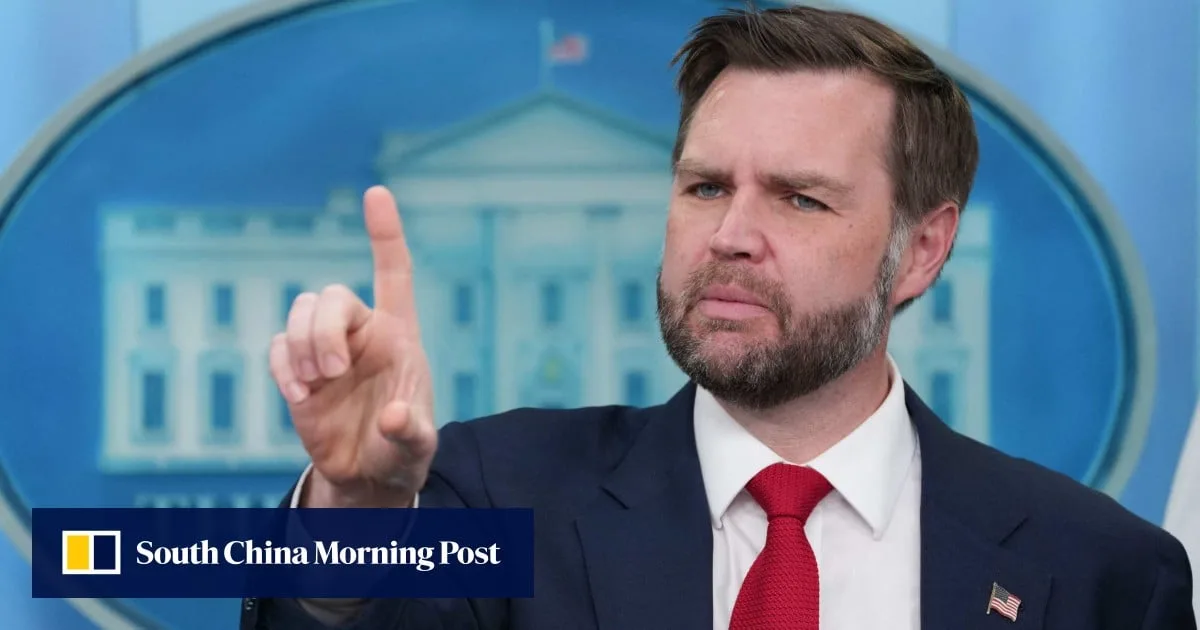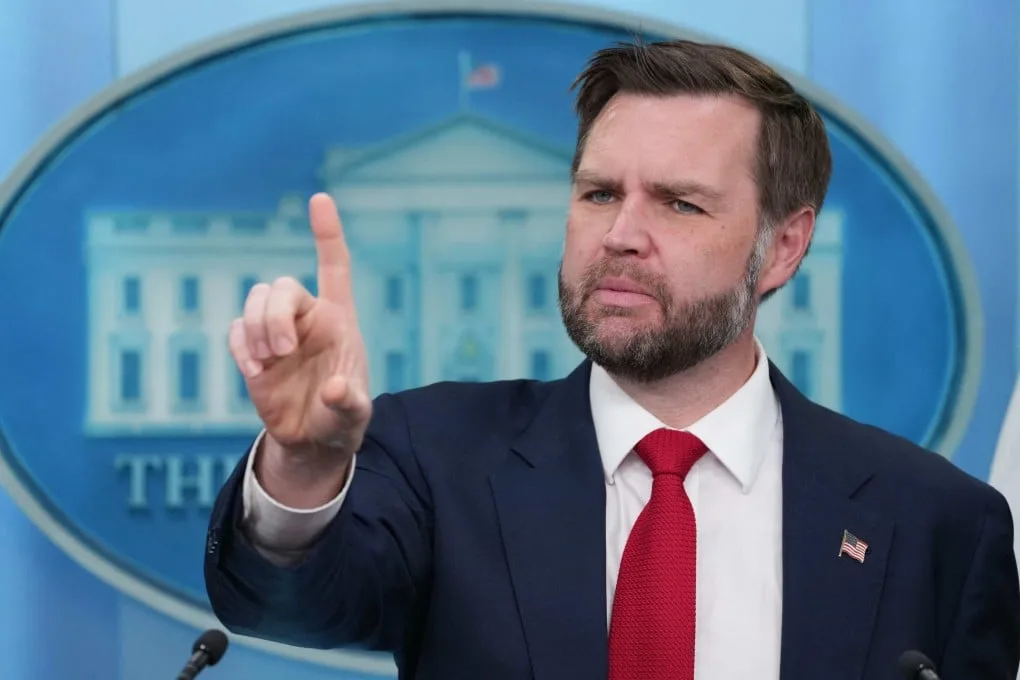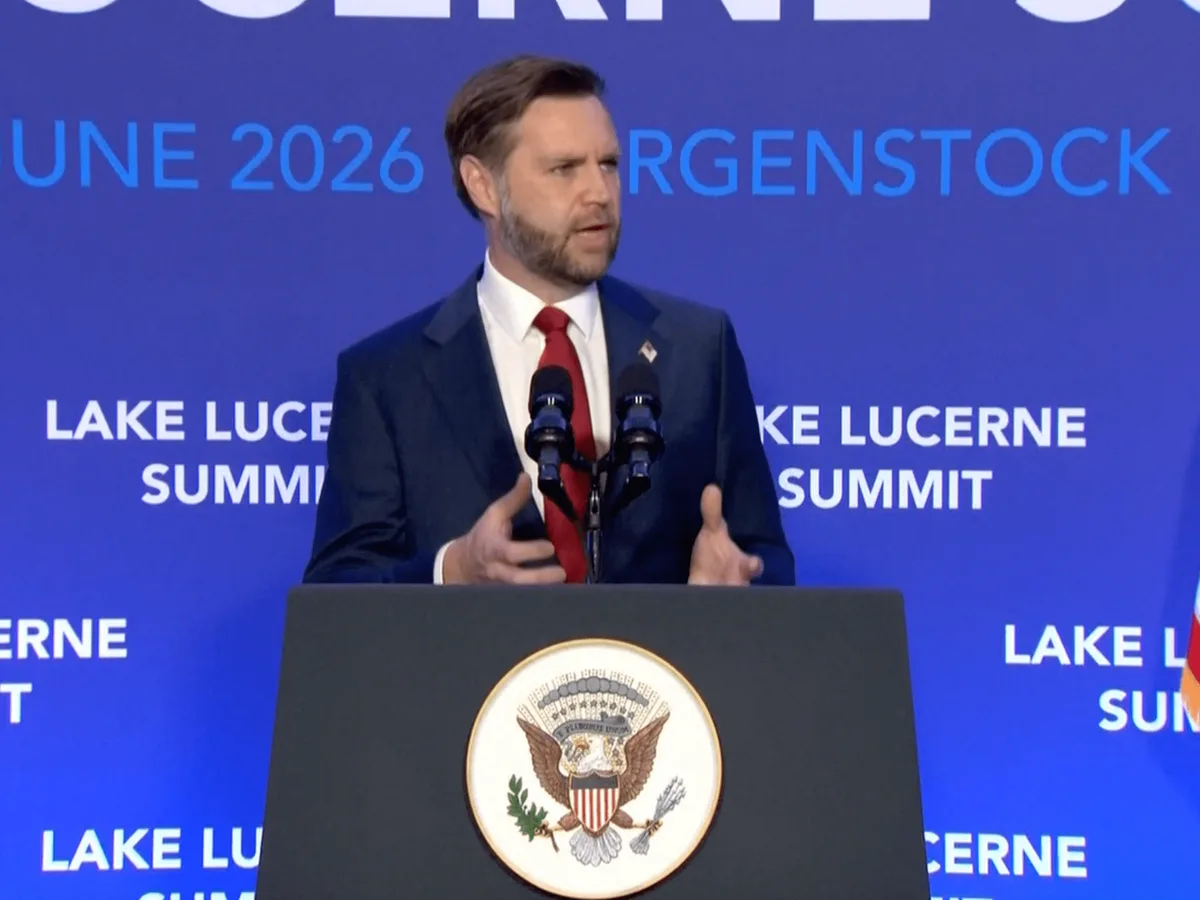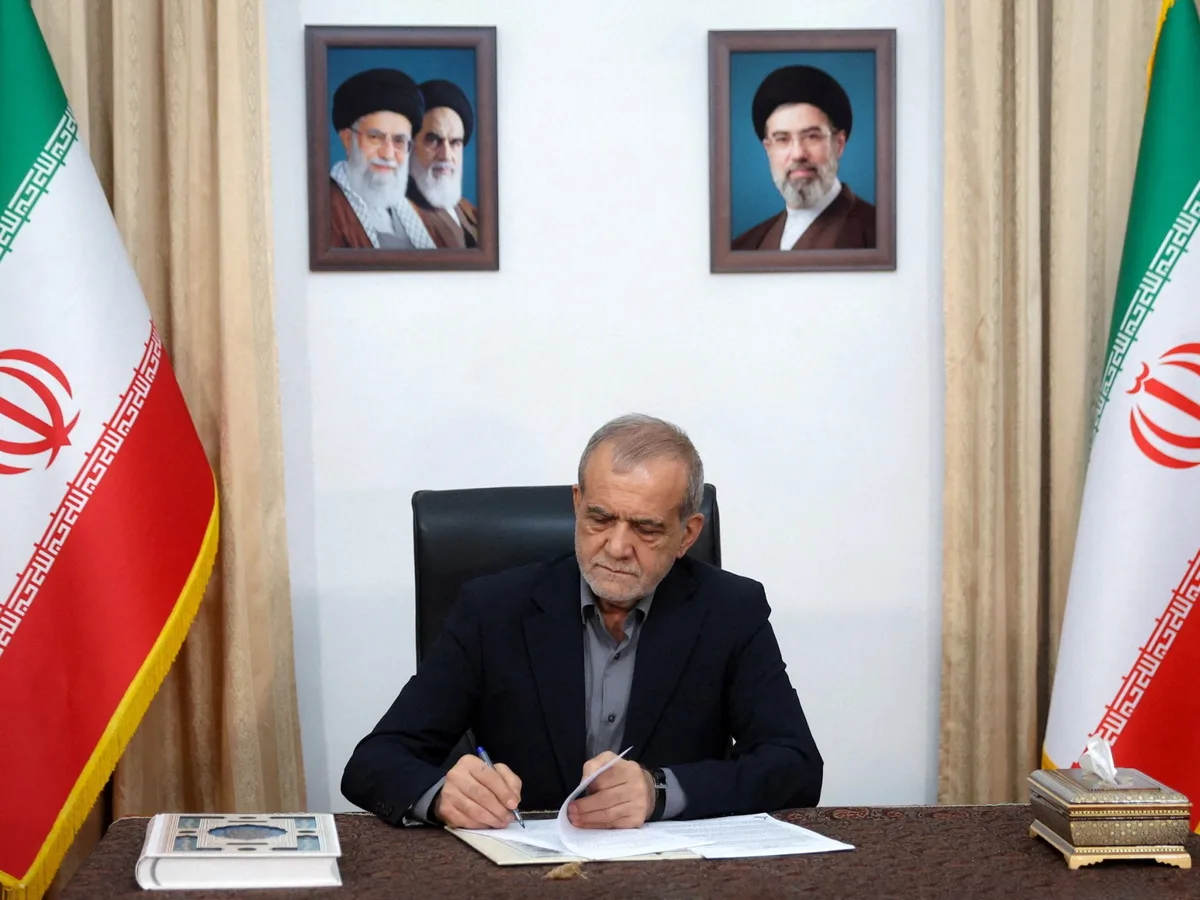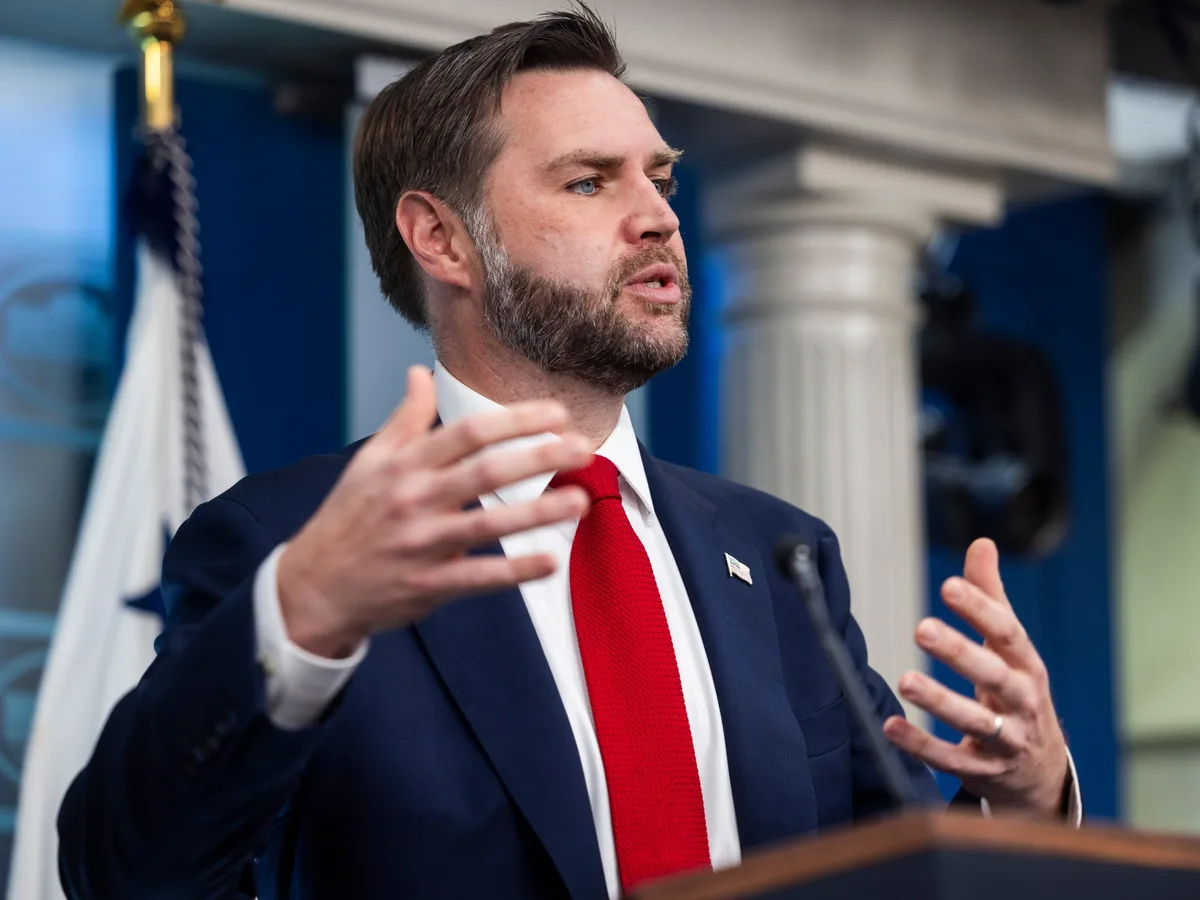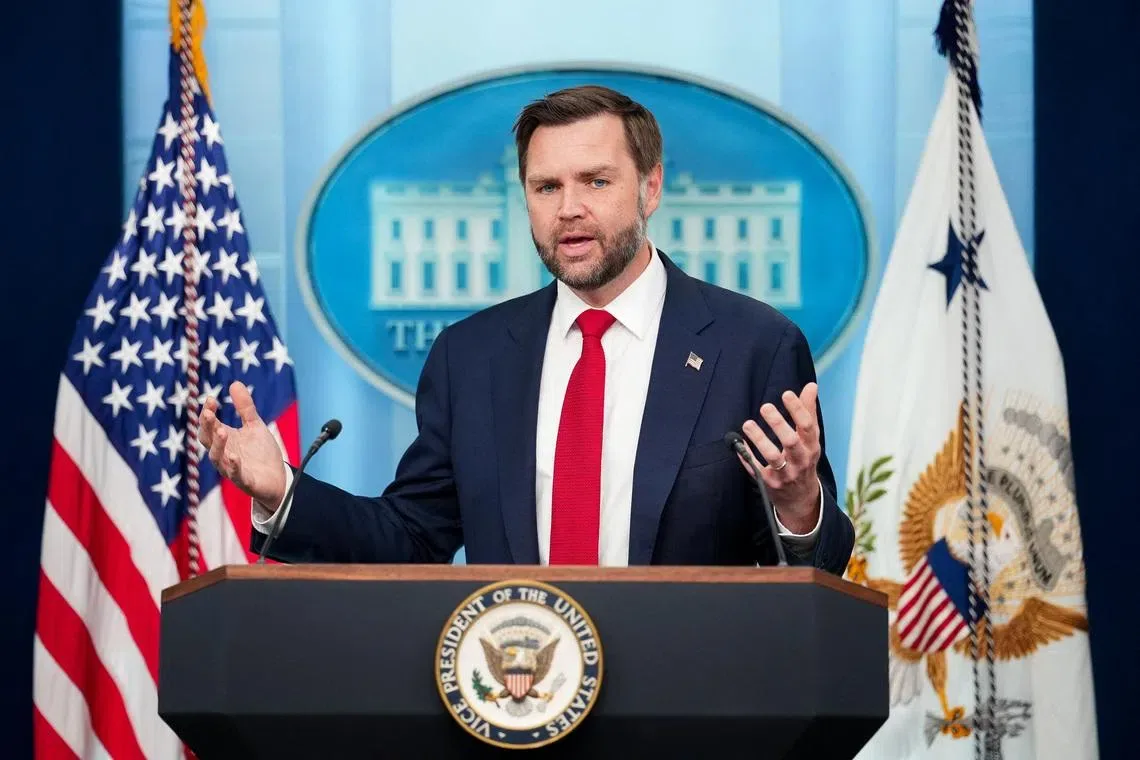
US Vice President JD Vance announced the start of a 60-day negotiation period following a memorandum of understanding (MoU) signed by US President Donald Trump and Iranian President Masoud Pezeshkian on June 18, 2026 [1, 2, 3, 4]. The agreement aims to suspend hostilities between the US and Iran and reopen the Strait of Hormuz, a critical oil shipping route, which had been blockaded by the US navy [1, 2, 4, 5, 6]. Vance said, "I would say the 60-day period officially started today" [1].
The interim deal allows oil and gas shipments through the Strait of Hormuz to resume, with US forces lifting the naval blockade on Iranian ports [1, 2, 4, 5, 6]. Reports indicate oil exports through the strait increased to between 12.5 and 16 million barrels per day, marking the highest volumes since conflict began in late February 2026 [2, 6]. Some sources report over 12.5 million barrels passed through on the night of June 17-18, while others claim exports reached 16 million barrels on June 19 [2, 6].
The MoU includes sanctions relief and a plan for at least $300 billion in reconstruction funds for Iran, contingent on full Iranian compliance [3, 7]. US officials including Vance and Trump emphasized the US is not directly handing over money to Iran but that these economic benefits depend on Iran meeting all terms of the agreement [3, 7]. Vance said, "The United States isn't giving up a cent of money to Iran" [3]. The $300 billion fund is reported to come from Gulf Cooperation Council countries rather than the US itself [3, 7].
The deal seeks to end all military operations involving the US and Iran, including conflicts related to Lebanon and the Israel-Hezbollah confrontation [8, 5]. Vance criticized Israeli officials opposing the agreement and urged them to let negotiations proceed peacefully [8]. However, a planned US delegation trip to Switzerland for follow-up talks was postponed after Israeli airstrikes in southern Lebanon killed at least three people [5].
Vance indicated that high-level negotiations including US and Iranian principals and diplomats from Qatar and Pakistan as mediators could begin as soon as Sunday, June 21, 2026 [9, 6]. He said, "We'll plan the talks when the principals from the Iranian government, also the Qatari and the Pakistani governments, arrive. This could happen as soon as tomorrow" [9]. US envoys Jared Kushner and Steve Witkoff are working on technical aspects of the talks on the ground [9, 6].
Iranian officials claimed Iran has "humbled" its enemies and described the conflict as an "epic" struggle that will go down in history [5]. Some US lawmakers and international observers remain skeptical about Iran's commitment and the agreement's terms [3, 7, 8]. Vance defended the deal, saying, "Have a little bit of faith in the president of the United States. The idea that he is going to strike a deal that’s been bad for the American people, it’s preposterous" [10]. He also noted the US can temporarily lift some sanctions without congressional approval [3].
The next concrete step in the process is the anticipated high-level talks between US and Iranian officials, mediated by Qatar and Pakistan, expected on June 21, 2026 [9, 6].