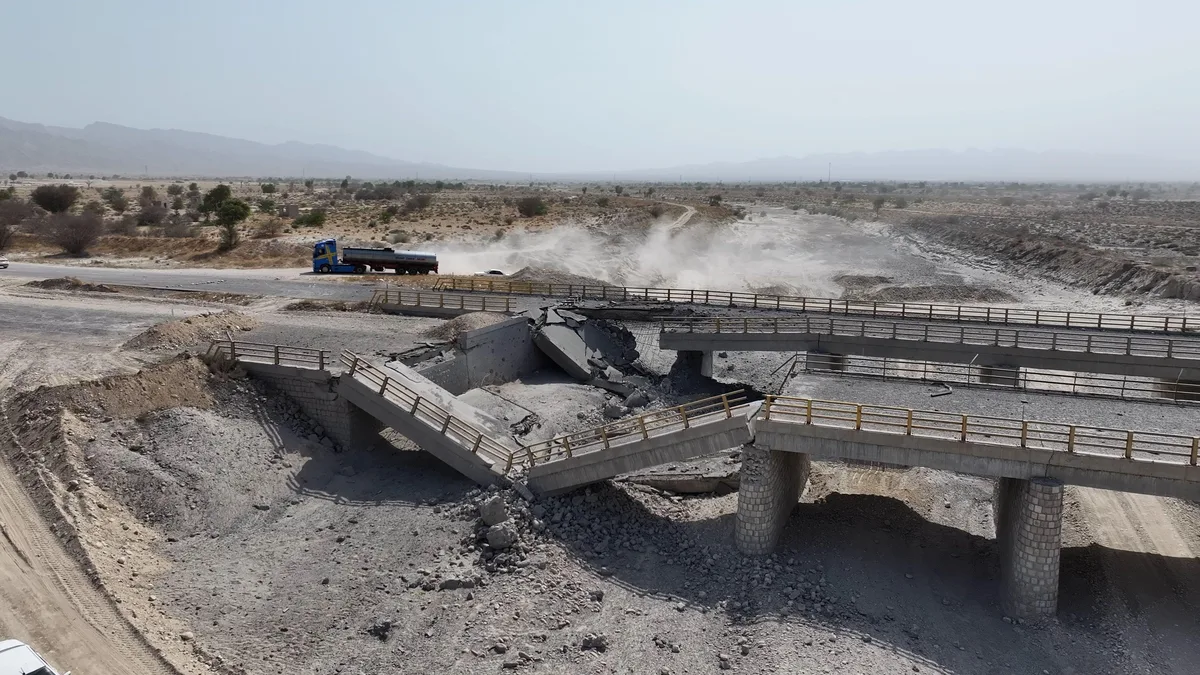
The United States has conducted multiple waves of military strikes targeting Iranian military infrastructure for at least 10 consecutive nights, escalating tensions in the Strait of Hormuz region since late July 2026 [1, 2, 3, 4, 5, 6, 7]. US Central Command said the strikes targeted Iranian air-defense, missile systems, drone capabilities, coastal radars, command centers, and logistics hubs. "The strikes are designed to continue degrading Iranian military capabilities at the Commander in Chief's direction," a Centcom spokesperson said [1, 2, 3, 4, 6].
Iran responded with attacks on US military bases and allied forces in Kuwait, Jordan, and Bahrain, alongside drone strikes reported in Oman and Syria [1, 2, 3, 4, 5, 6, 7]. The Iranian Revolutionary Guard Corps claimed that two oil tankers exploded in a mined area of the Strait of Hormuz, but US Central Command dismissed this claim as false [4, 5, 6]. Explosions and attacks have been reported in multiple Iranian cities near the Strait, including Qeshm, Bandar Abbas, Bushehr, Tabriz, Chabahar, and Yazd [1, 3, 4, 5, 6].
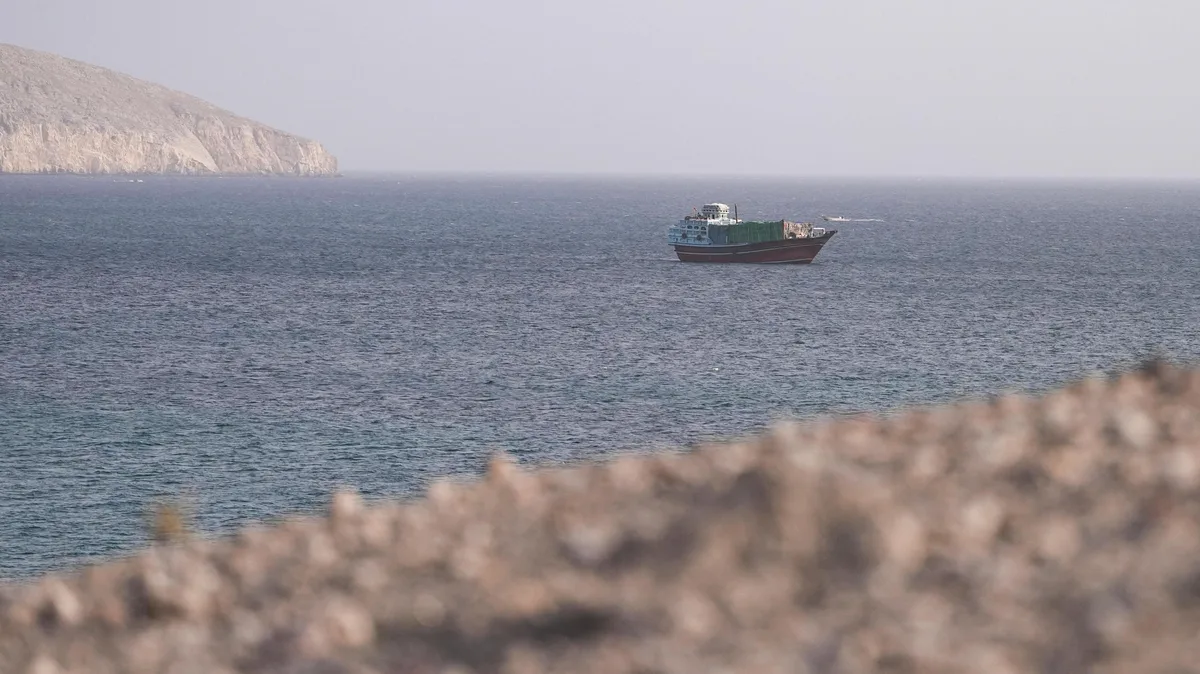
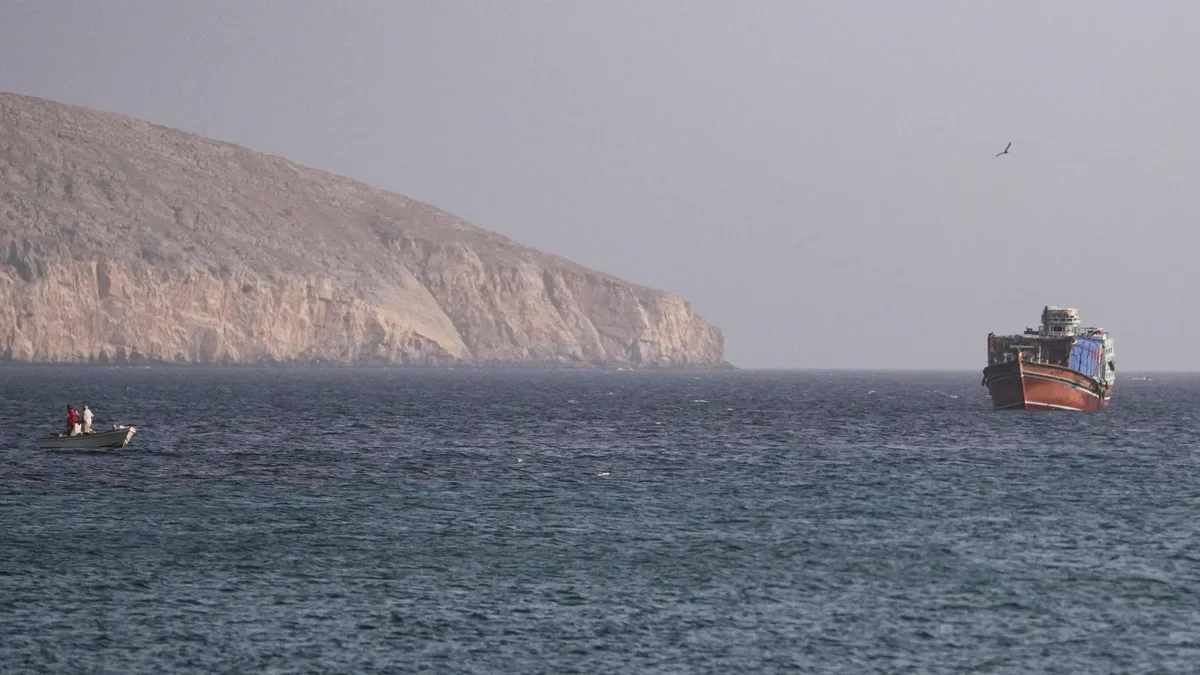
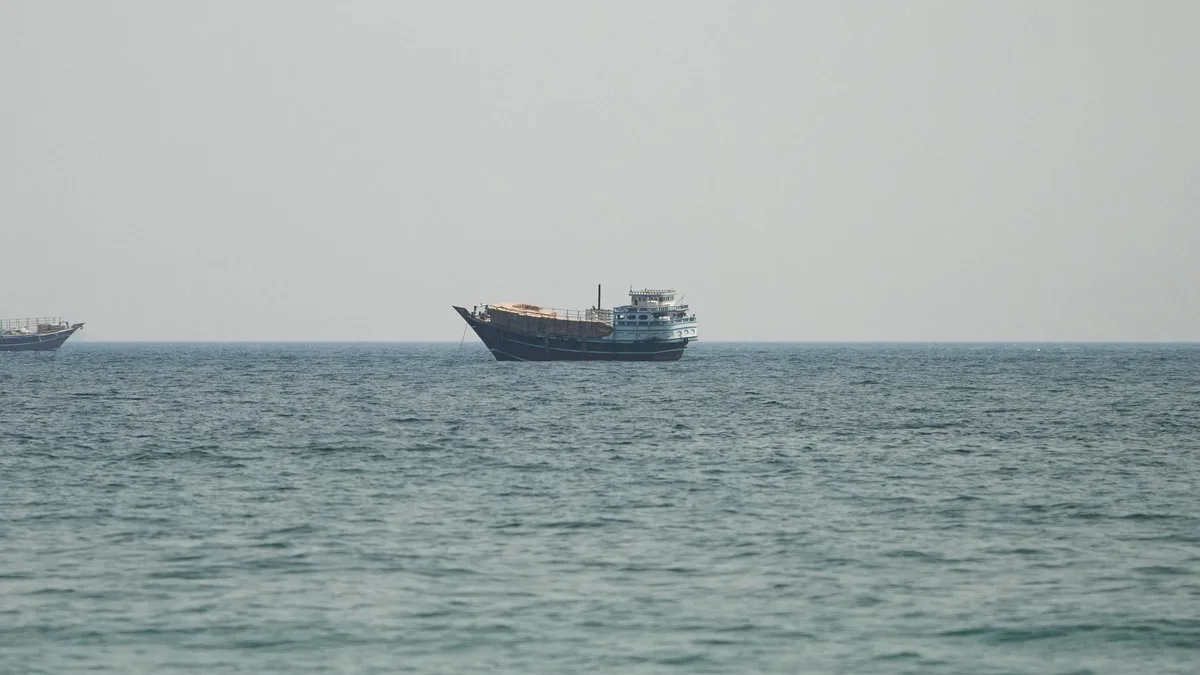
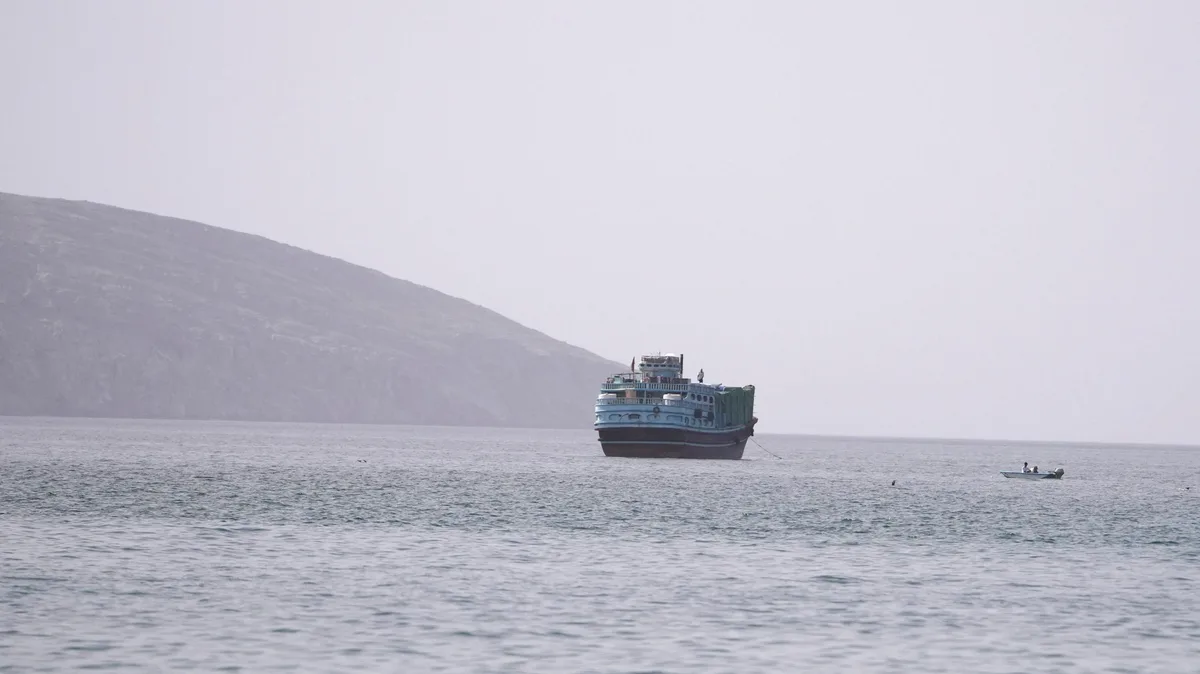
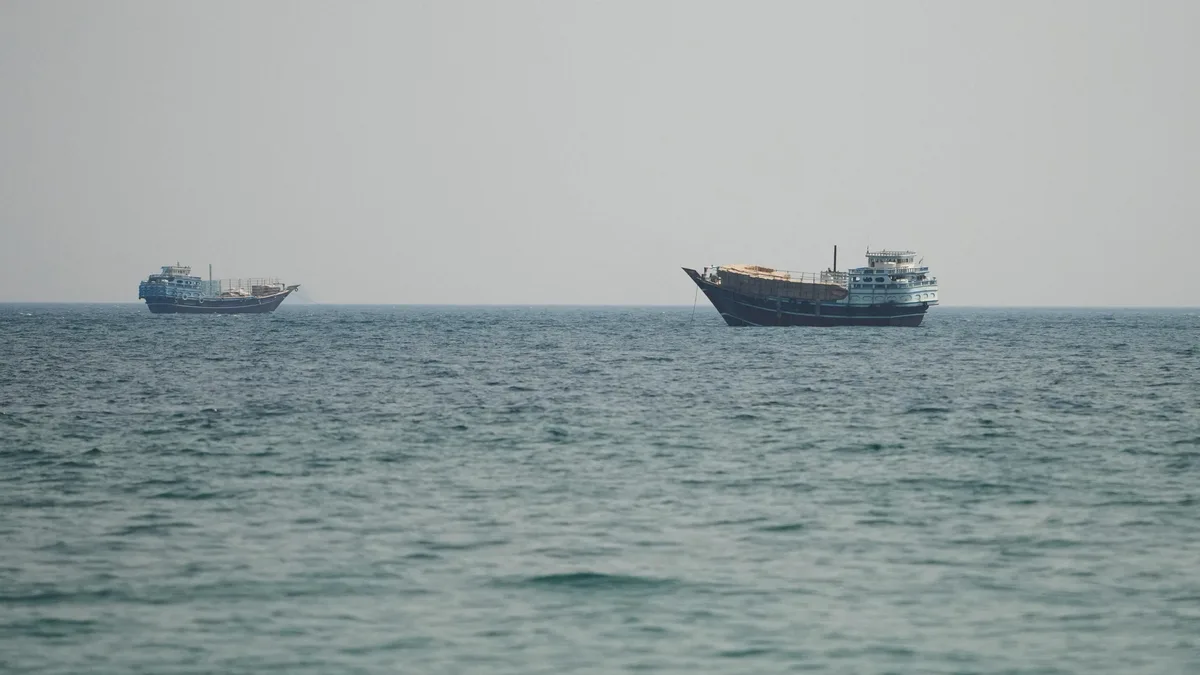
Iran declared the Strait of Hormuz closed to shipping until further notice on July 28 following prior US and Israeli strikes, but the US government insists the strait remains open for all international shipping except for Iranian vessels [1, 8, 9, 3]. President Donald Trump initially announced reinstating a naval blockade on Iranian ports and threatened a 20% fee on all cargo ships transiting the strait, saying, "The U.S.A. will be, from this point forward, known as 'THE GUARDIAN OF THE HORMUZ STRAIT.'" He later retracted the fee, replacing it with plans for trade and investment deals with Gulf states [8, 9].
Iran accuses the US of breaching a June memorandum of understanding intended to maintain calm and keep the Strait open. Mohammad Bagher Ghalibaf, Iran’s top negotiator, said, "We told you: keep your word or pay the price," and stressed Tehran’s priority is maintaining "Iranian arrangements" in the Strait for national security [1, 10, 3, 7]. US Secretary of State Marco Rubio said, "The world has to decide whether or not it's going to allow an international waterway to be under the control of Iran," accusing Tehran of using the route as leverage [5].
Hostilities have affected global energy markets. Approximately 20% of the world's oil and LNG shipments pass through the Strait, and oil prices spiked over $100 per barrel after the escalation before later declining [1, 10, 4, 7, 11].
The broader Middle East maritime environment is also tense. Saudi Arabia launched airstrikes against Houthi targets after Houthi missile attacks in the Red Sea on August 5. The US disabled a tanker attempting to breach the Iranian port blockade the same day [11].
US forces have suffered recent casualties linked to the conflict, with three soldiers killed—two in Jordan and one in Iraq. President Trump vowed harsh retaliation in response [5, 6].
Since July 28, Iran’s blockade of the Strait has maintained high tension while the US continues nightly strikes. More updates are expected as both sides sustain military operations through early August [2, 3, 4, 5, 6].