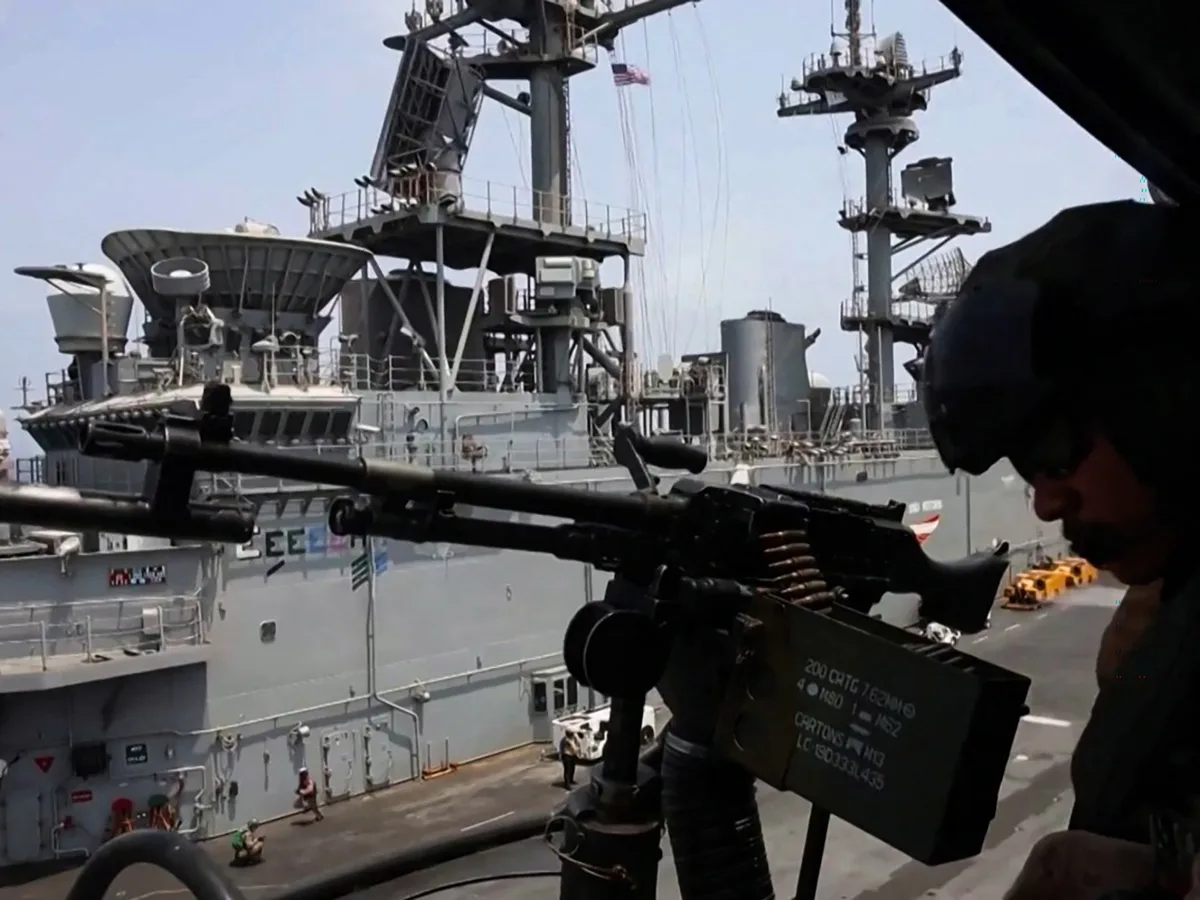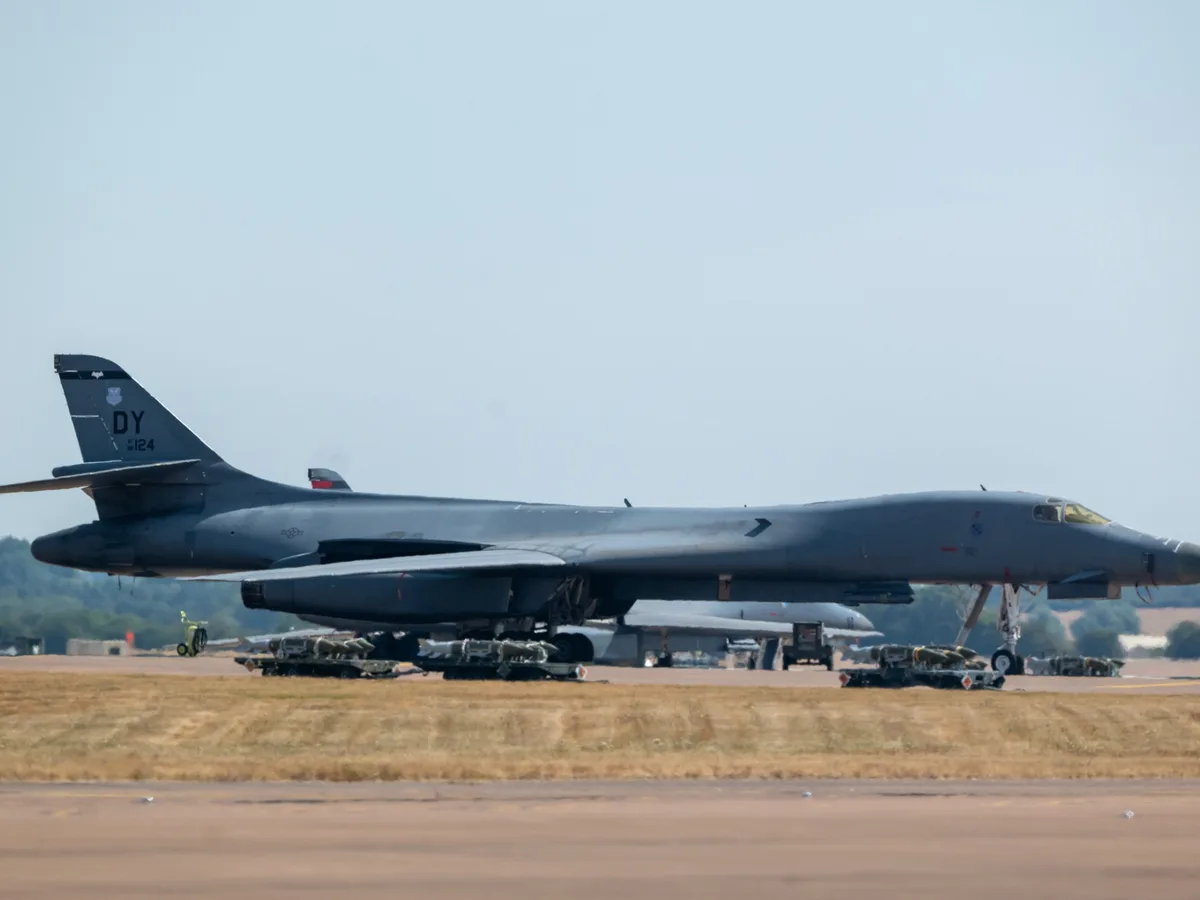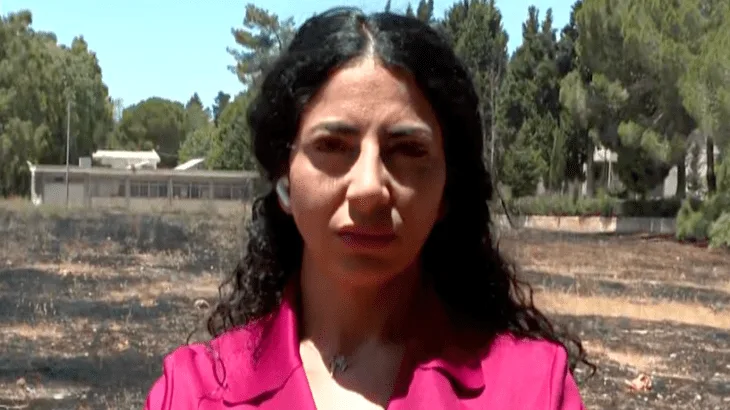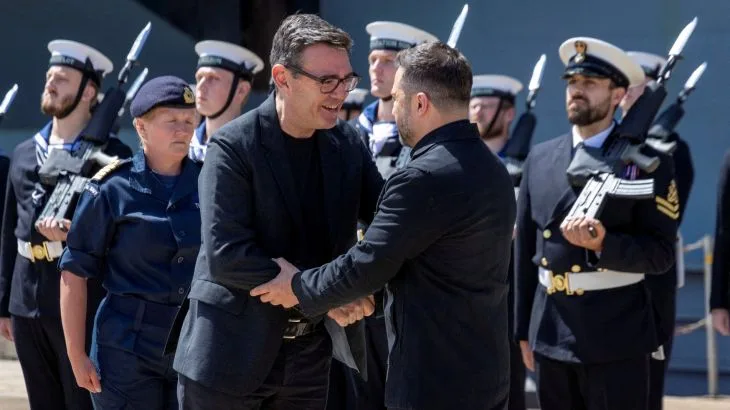
The United States and Iran paused military strikes against each other for at least a third consecutive day, following two weeks of escalating hostilities that began after Iran fired on ships in the Strait of Hormuz. The US initiated the pause on July 24 to create "space" for peace talks after nightly attacks, with Iran reciprocating by halting its retaliatory operations in the Gulf region [1, 2, 3, 4, 5].
Iran’s military spokesman Amir Mohammad Akraminia said, "Our strategy has essentially been retaliatory. We have also halted our retaliatory operations," adding, "Over the past two nights, the Americans halted their attacks, and consequently Iran's counter-operations also stopped" [1, 5]. The conflict was triggered on July 9 when Iran targeted ships passing through the strategic Strait of Hormuz, an important oil export route, prompting US strikes [1, 2, 3].
Mediators from Pakistan and Qatar intensified their diplomatic efforts between Washington and Tehran, proposing a joint de-escalation formula to return both sides to their positions before July 9. This approach aims to restart comprehensive peace talks [1, 6, 7, 4, 5]. The Iranian Foreign Ministry reported progress in talks with Oman on managing shipping traffic in the Strait of Hormuz, signaling tentative diplomatic advances [1, 2].
Despite the ceasefire, regional tensions remain fragile as drone attacks by Iran-backed groups and isolated incidents in the Strait of Hormuz continue [1, 2, 3]. The US decision to pause strikes was partly driven by concerns over dwindling missile interceptor stocks [1, 6, 7].
US President Donald Trump said, "We're talking with Iran right now. We are having good talks," while also warning that attacks could resume if no agreement is reached [3]. However, Iran denied direct negotiations, with a Foreign Ministry spokesman saying, "Mediators may convey messages to us from the American side, but there are no direct negotiations" [3]. This highlights a discrepancy in accounts of how much direct dialogue is occurring.
The recent US military campaign left 57 Iranians dead and 629 injured, according to Iran's Health Ministry, underscoring the human toll of the two-week conflict [4, 5].
The strike pause started on July 24 and has continued for at least three days as mediators maintain pressure for talks. The next phase will likely depend on whether both sides accept the Pakistani-Qatari proposal to return to pre-July 9 positions and formally resume negotiations [1, 6, 7, 4, 5].