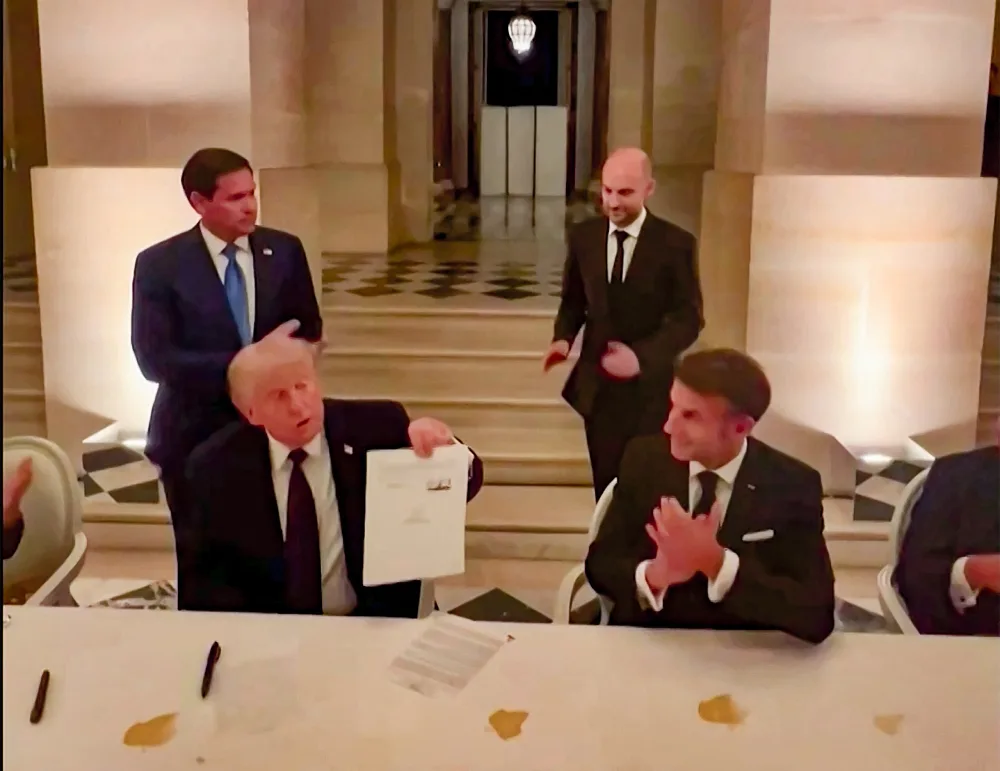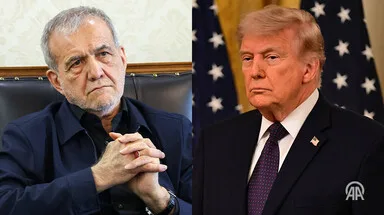
The United States and Iran signed a 14-point memorandum of understanding (MoU) on June 17, 2026, to end a 110-day conflict that included military operations in Lebanon and other fronts [1, 2, 3, 4]. The agreement was electronically signed by both countries' presidents and calls for an immediate and permanent ceasefire on all fronts [2, 4].
The deal mandates reopening the Strait of Hormuz within 30 days, an artery for global oil shipments that had been effectively closed since late February 2026 [1, 2, 4]. Senior US officials said Iran pledged not to develop nuclear weapons, and enriched uranium stockpiles would be destroyed through down-blending processes [1, 2].
The US also agreed to develop a plan to provide roughly $300 billion in funds aimed at reconstruction and development projects inside Iran [2, 3]. President Trump called the agreement a "major diplomatic victory" that prevented further escalation and a potential global economic depression [1, 3].
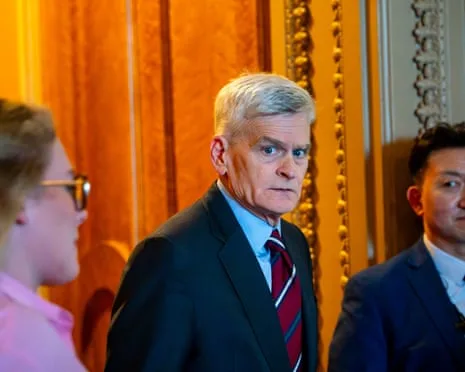
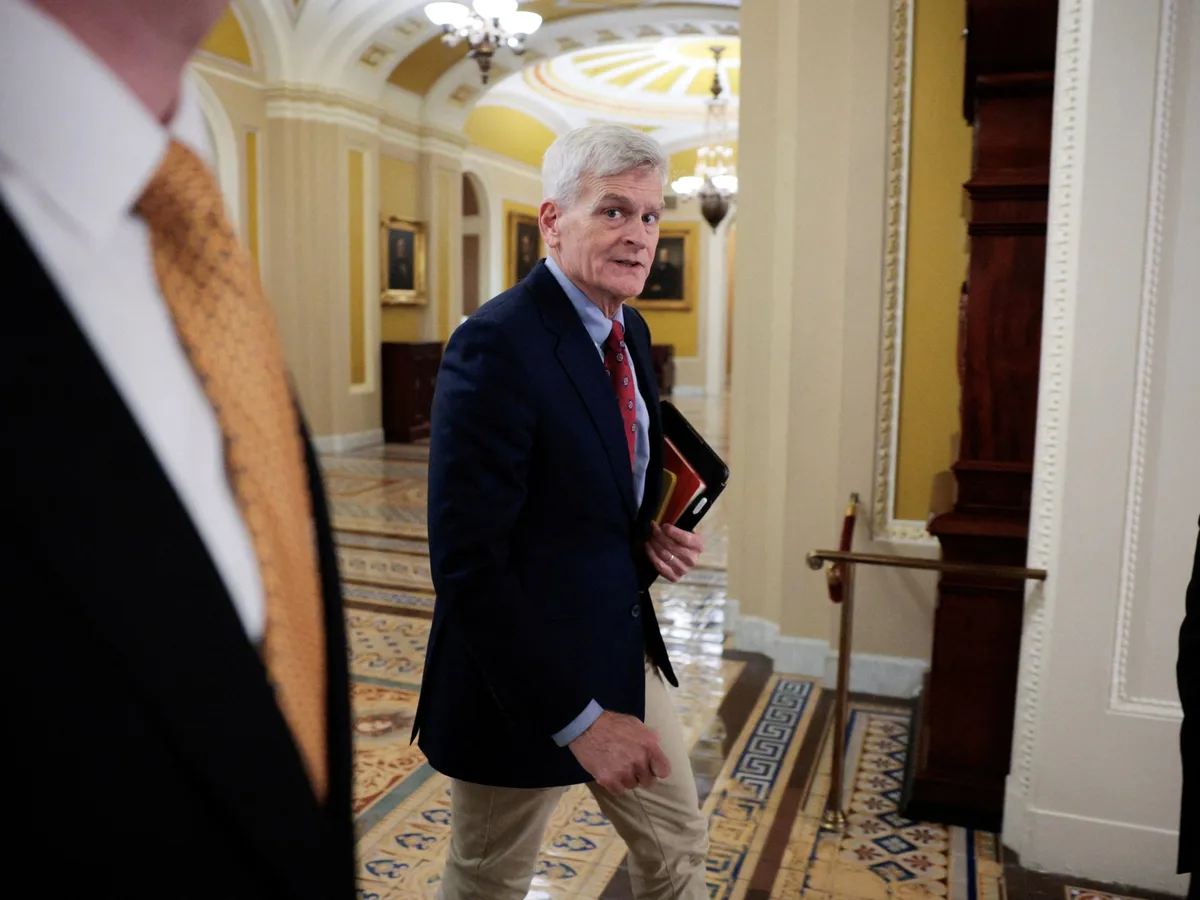
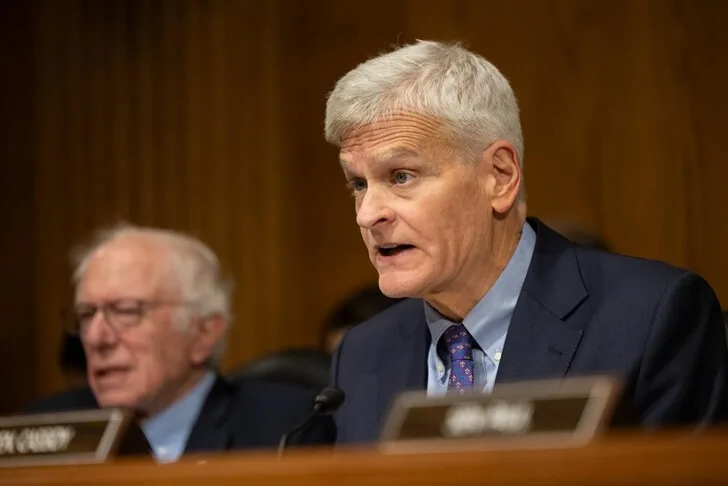
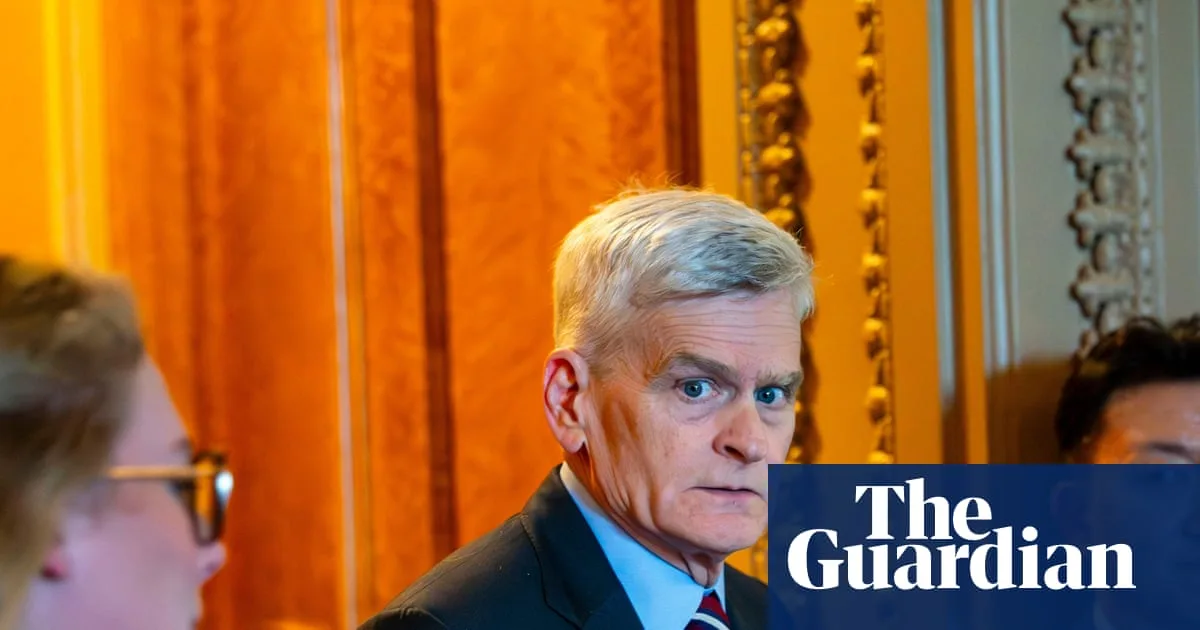
However, the deal faced sharp criticism from Republicans. Senator Bill Cassidy called it "the worst foreign policy blunder in decades" and said former President Reagan would be "rolling over in his grave," arguing that Iran's nuclear ambitions were not curtailed and that Iran had learned to use threats to the Strait of Hormuz as leverage [1, 2, 3, 4].
Senator Ted Cruz said parts of the deal were "ill-advised," warning it was a mistake to give billions to Iran's leadership [4]. Former UN Ambassador Nikki Haley criticized the regime for chanting "death to America" and attacking US troops while the deal unlocks billions and lifts sanctions [2].
Senator Lindsey Graham initially expressed concerns but softened after talks. He said, "Whether or not the United States can reach an acceptable, verifiable deal with Iran... is yet to be determined, but I see little downside to trying." He highlighted the economic stability from reopening the Strait and halting hostilities as a potential path to peace beyond the current conflict [1, 4].
Before the deal, 13 Americans reportedly died during the conflict [1, 4]. The agreement marks the start of a two-month negotiation period to reach a definitive treaty [3].