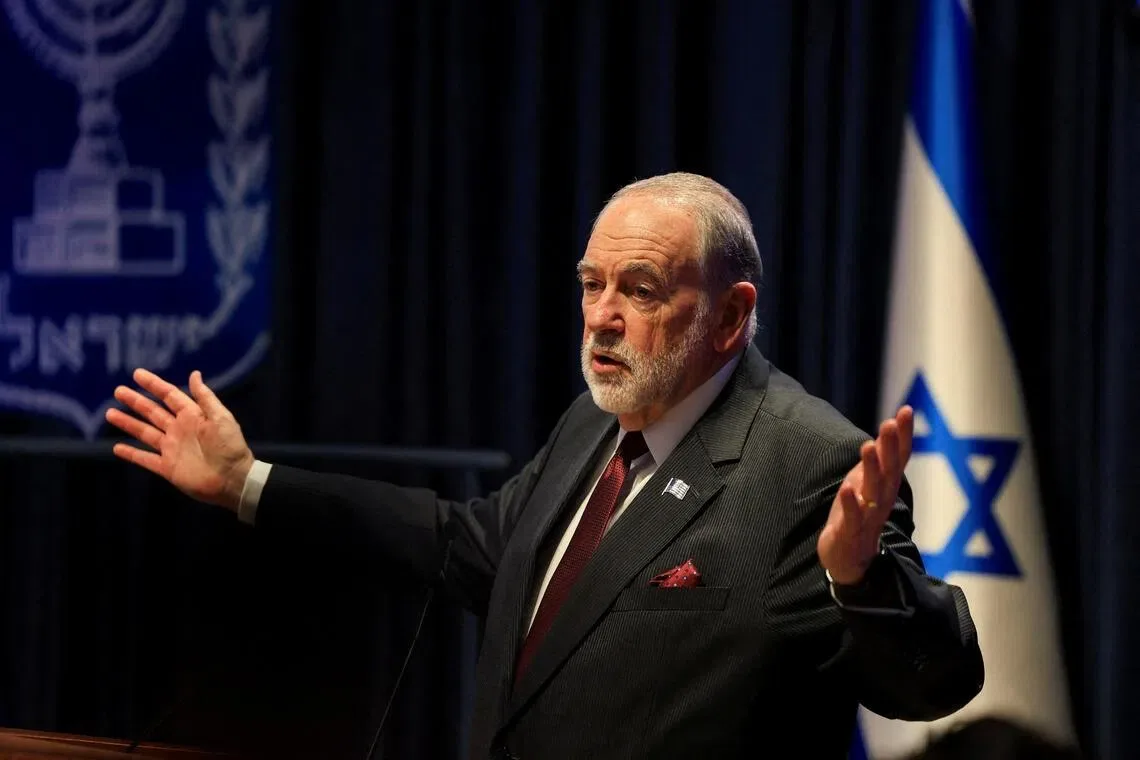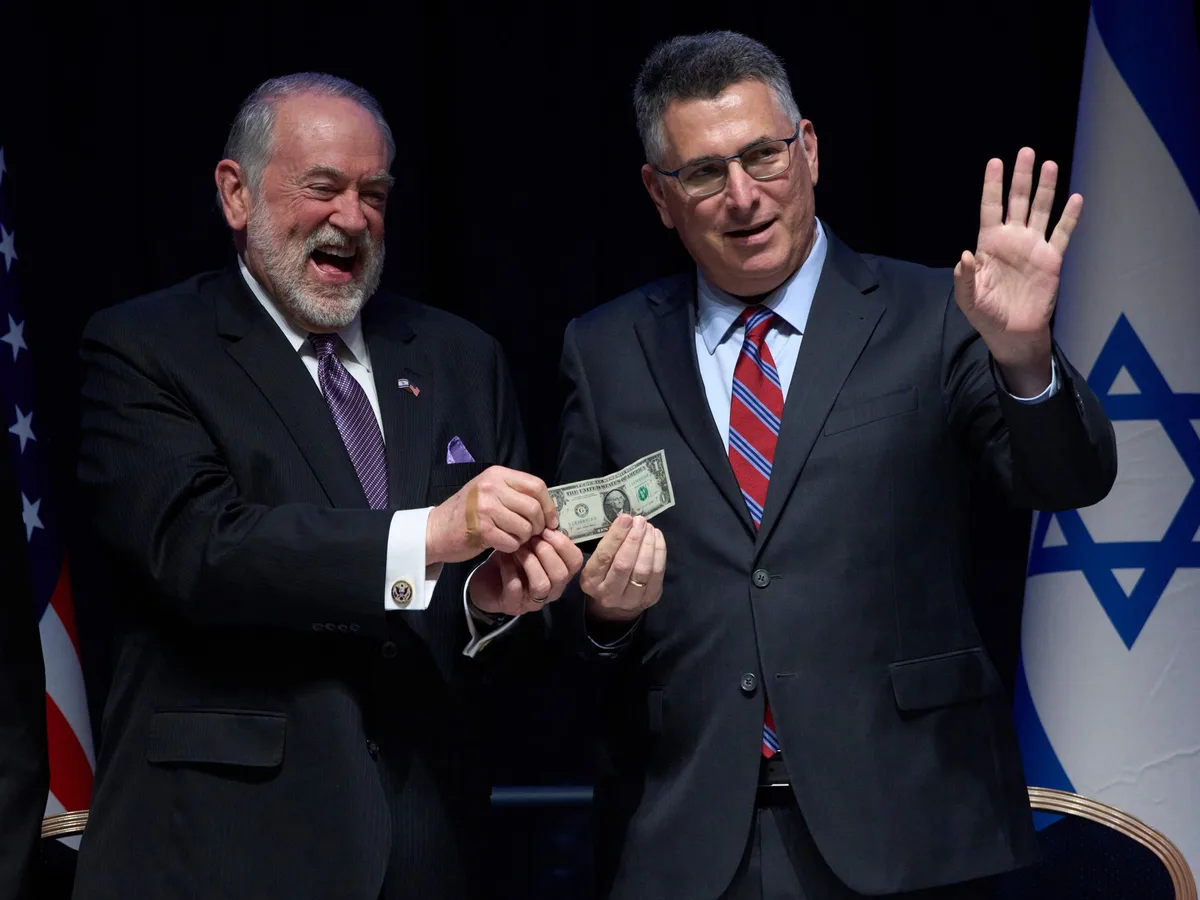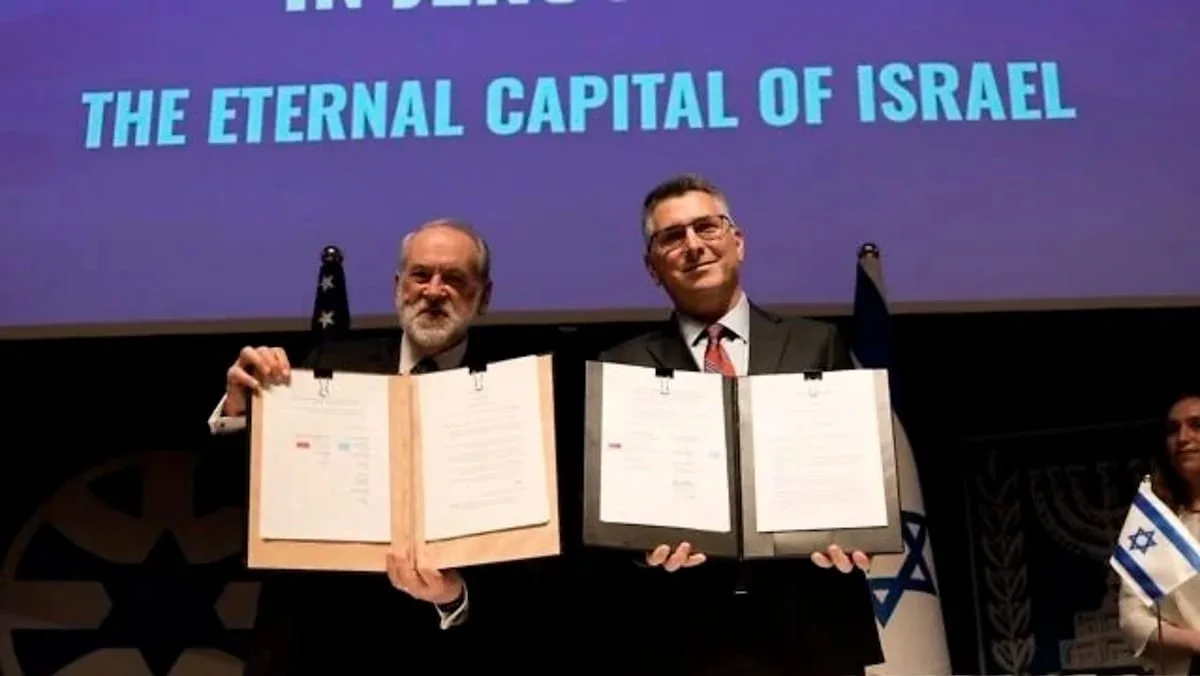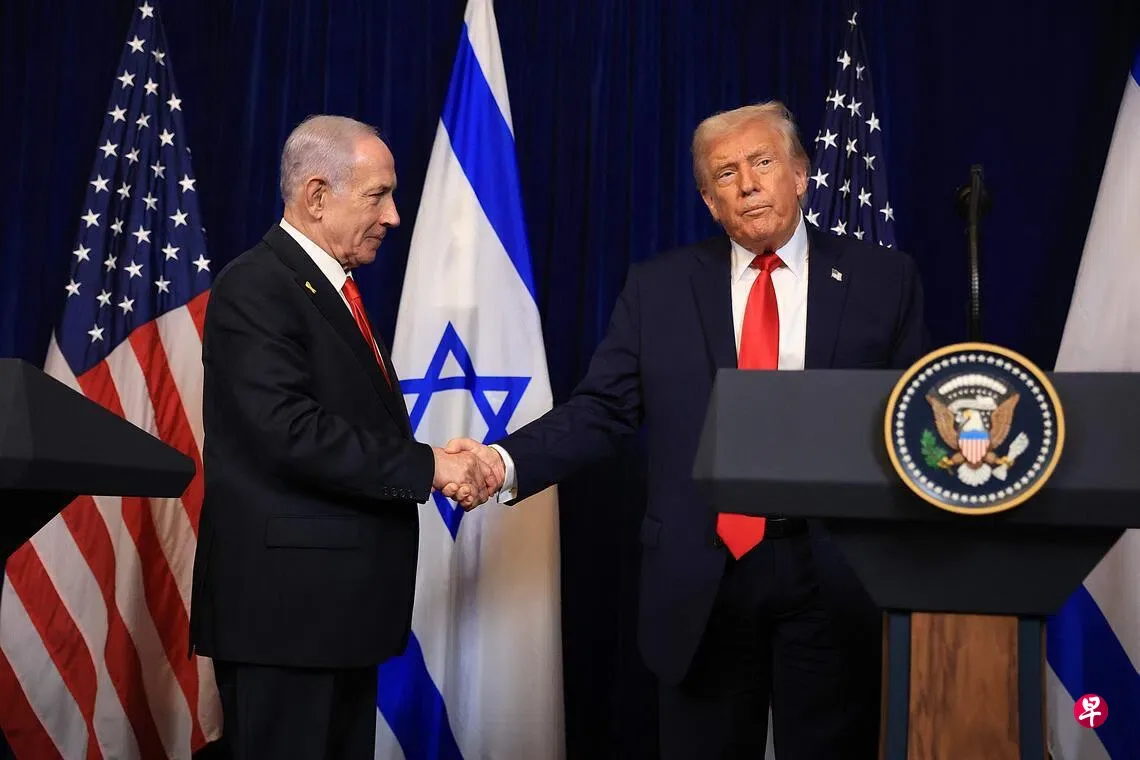
The United States and Israel signed an agreement on July 1, 2026, to construct a permanent US embassy compound in Jerusalem, specifically at the Allenby compound in southern and western Jerusalem [1, 2, 3, 4, 5, 6]. The land for the embassy will be leased to the US by Israel for 99 years at a symbolic payment of $1, according to US Ambassador Mike Huckabee, who said, "The lease agreement for the land is for 99 years and the United States will pay Israel the sum of $1" [3, 5, 6].
The US embassy was temporarily moved from Tel Aviv to Jerusalem in May 2018 after then-President Donald Trump recognized Jerusalem as Israel's capital in December 2017 and ordered the embassy relocation [1, 2, 5, 6]. Ambassador Huckabee said the new embassy will "serve as our mothership of diplomatic activities here in Israel," adding, "We are going to plant our flag, our American flag, on the soil of Jerusalem for a permanent and a brand new embassy compound" [1]. Israeli Foreign Minister Gideon Saar said building a permanent embassy will make Trump's 2017 decision "more profound and lasting" [2].
The land lease and embassy building have been praised by Israeli officials as a reflection of the "unbreakable alliance" between the US and Israel [1, 2, 4, 5]. However, Palestinian rights group Adalah condemned the embassy construction on land they say was confiscated from Palestinians, calling it an endorsement of land confiscation and a violation of international law [1, 5].
Jerusalem remains a deeply contested city. Israel claims the entire city as its undivided capital after capturing East Jerusalem in 1967, a claim not widely recognized by the international community [1, 2]. Palestinians seek East Jerusalem as the capital of a future Palestinian state. Most countries keep their embassies in Tel Aviv, reflecting the international consensus that Jerusalem’s status should be determined through negotiations [1, 5].
The US embassy compound is expected to become a central hub for American diplomatic activities in Israel [1, 2, 4]. The agreement marks a significant step after nearly eight years since the embassy’s temporary move to Jerusalem in 2018, following the 2017 recognition of the city as Israel’s capital by the US president [1, 2, 5].