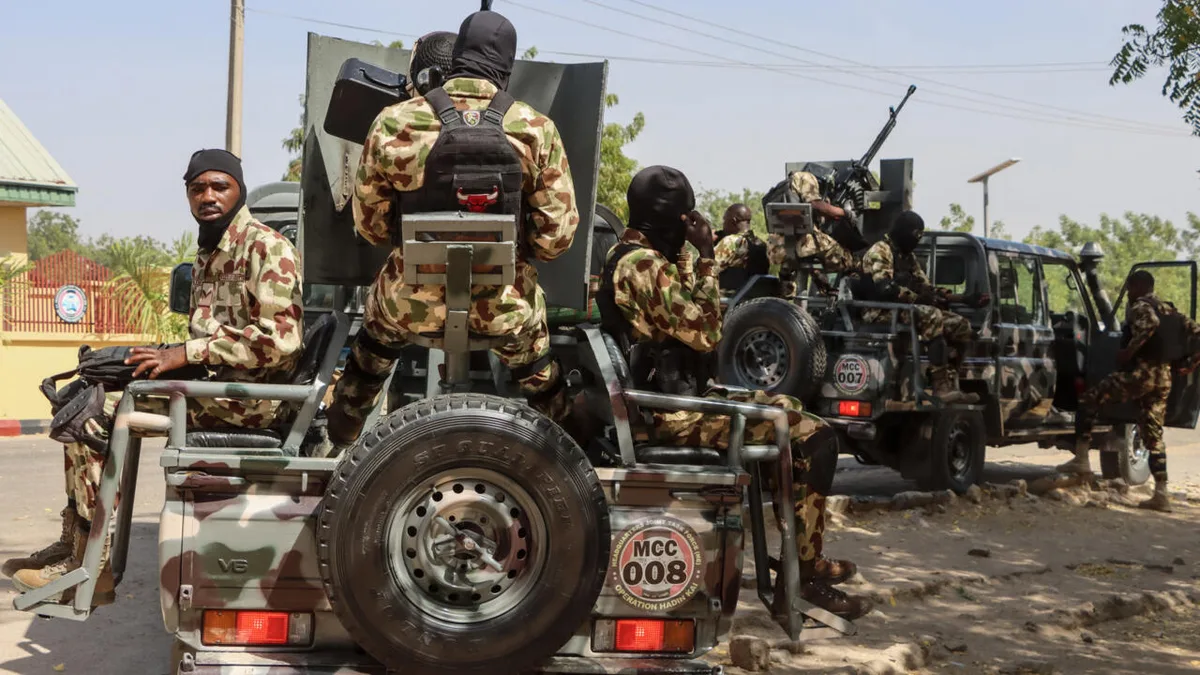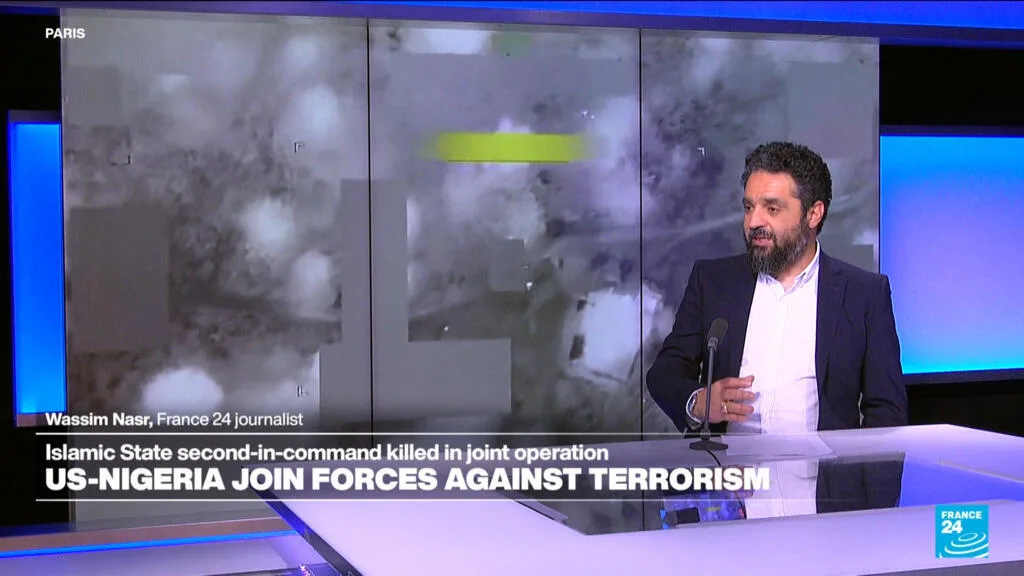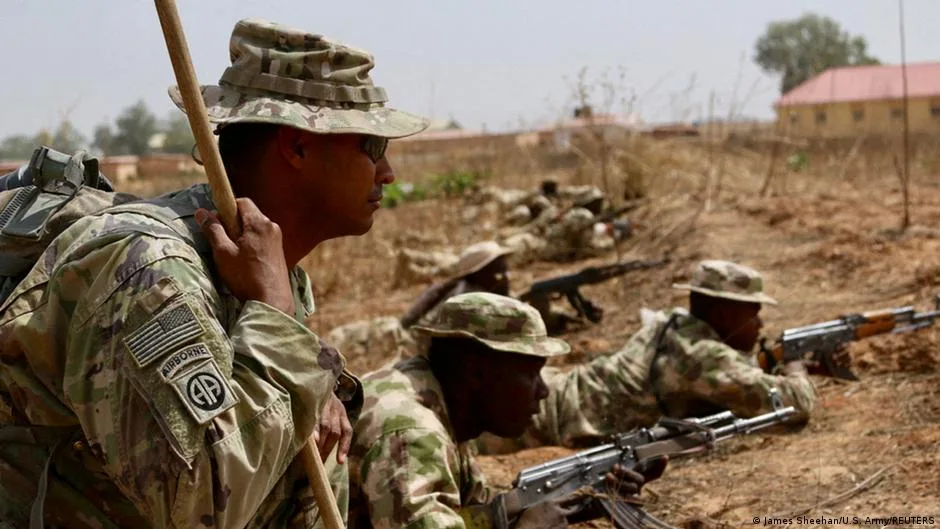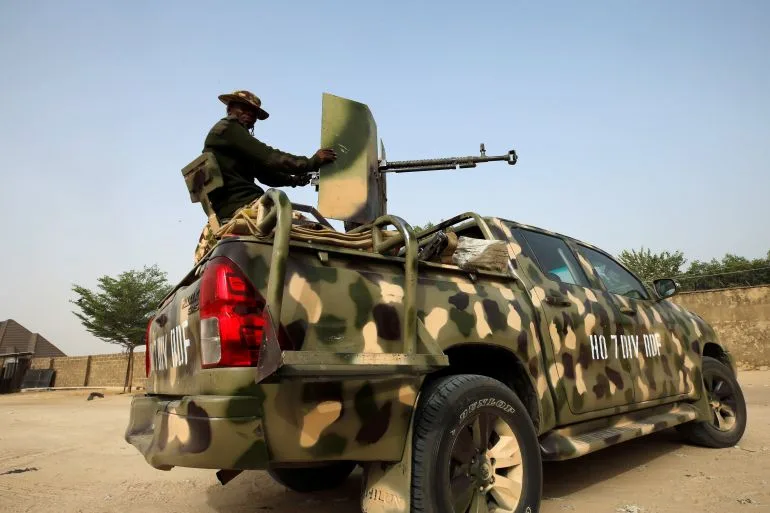
Joint air strikes by US and Nigerian forces in northeastern Nigeria killed at least 175 fighters of the Islamic State (IS) group, including the global second-in-command, Abu-Bilal al-Minuki [1, 2, 3]. The operations, conducted over several days and highlighted by a major strike on Sunday, May 17, marked an escalation from the US advisory role that began in February 2026 to more active combat involvement [4, 5, 1, 2].
The Nigerian Defence Headquarters reported the strikes destroyed IS checkpoints, weapons caches, logistical hubs, military equipment, and financial networks supporting the militants' operations [2, 3]. Alongside al-Minuki, other senior IS figures killed included Abd-al Wahhab, Abu Musa al-Mangawi, and Abu al-Muthanna al-Muhajir [3].
Al-Minuki was described by US and Nigerian officials as the "most active terrorist globally," responsible for planning attacks and overseeing IS operations across the Sahel and West Africa [2, 3, 5]. Nigerian Defence Headquarters spokesperson Major-General Samaila Uba said, "As of 19 May 2026, assessments indicate that 175 ISIS terrorists have been eliminated from the battlefield" [3]. US Africa Command (AFRICOM) confirmed no US or Nigerian troops were harmed during the strikes [4, 5].
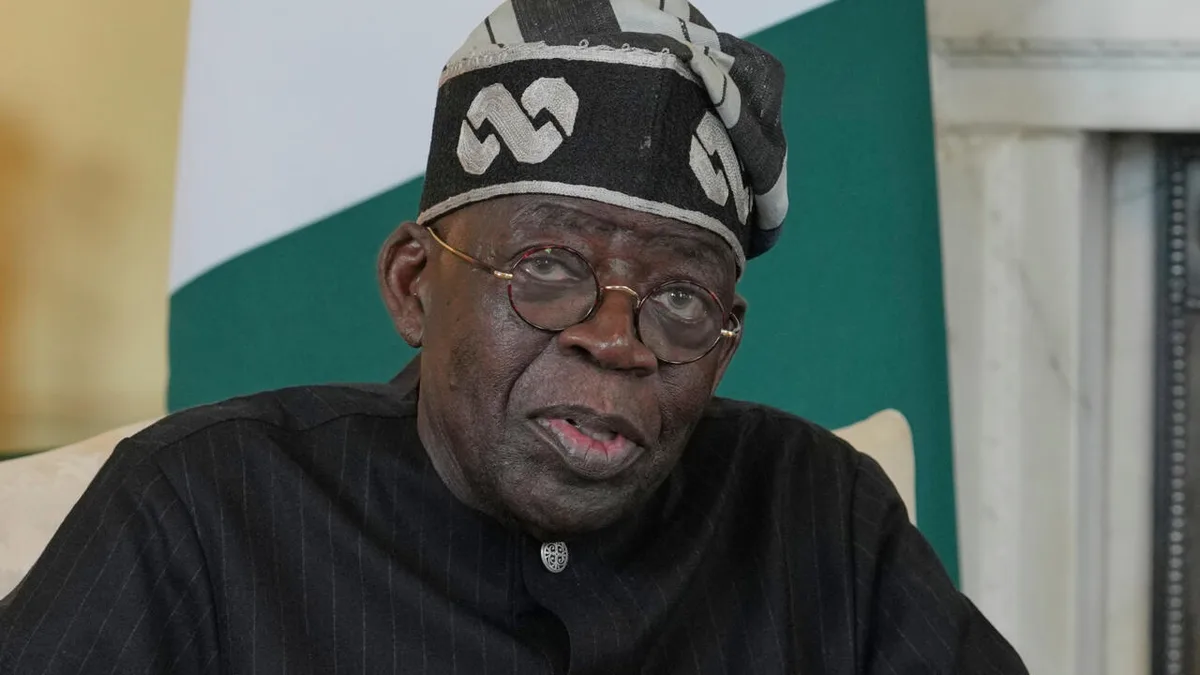
Nigeria’s President Bola Ahmed Tinubu praised those involved, stating, "I commend the personnel involved on both sides for their professionalism and courage, and I look forward to more decisive strikes against all terrorist enclaves across the nation." Tinubu publicly thanked US President Donald Trump, who said, "Tonight, at my direction, brave American forces and the Armed Forces of Nigeria flawlessly executed a meticulously planned and very complex mission to eliminate the most active terrorist in the world from the battlefield" [3, 5]. AFRICOM Commander General Dagvin Anderson credited Nigeria’s role in intelligence and support, saying the country had been "instrumental throughout the last several months" [1].
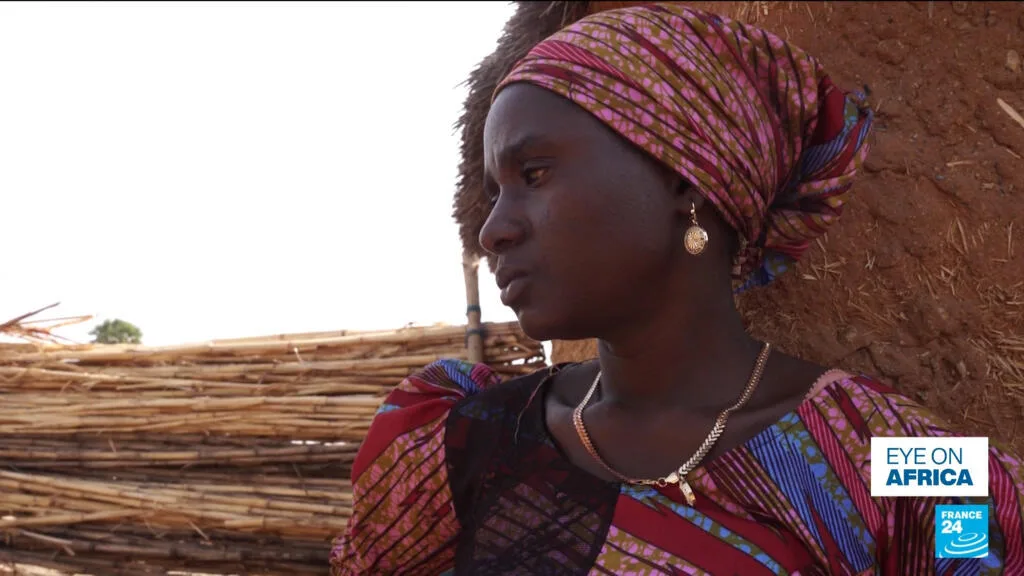
Since 2009, northeastern Nigeria has faced Islamist insurgencies that have killed more than 40,000 people and displaced over 2 million [1, 2]. The region continues to be threatened by IS-aligned jihadist groups and criminal gangs involved in kidnappings, with 46 people recently abducted [4].
The next major updates are expected as Nigerian forces continue operations against IS-affiliated groups and work to stabilize the region following these strikes.