Saudi Arabia's air defenses intercepted and destroyed drones launched from Iraq on July 27 that targeted its Eastern Province and Riyadh, an act Riyadh blamed on Iran-backed armed groups in Iraq [1]. Iraqi Prime Minister Ali al-Zaidi ordered an investigation into the Saudi claims, though forces affiliated with Iraq's Popular Mobilisation Units denied involvement and called the accusations fabrications [2, 3].
Saudi Arabia and the United States conducted coordinated airstrikes on July 29 against Iran-backed militias in eastern Iraq responsible for the drone strikes on Saudi oil infrastructure [3, 4, 5]. The US Central Command said the strikes followed over 30 drone attacks in 72 hours directed by Iran's Revolutionary Guard targeting US forces and Saudi energy facilities [3, 4, 6]. US President Donald Trump said, "So it’s our turn... we will hit them very hard even as we aim for a peace deal with Tehran" [6].
Saudi Defence Ministry spokesperson Turki al-Malki said Riyadh reserved the right to respond "at the appropriate time and place" to drone attacks launched by Iran-backed groups in Iraq [3]. Iranian officials denied involvement in the attacks on Saudi targets, calling the allegations a "major miscalculation" according to state media [3, 4].
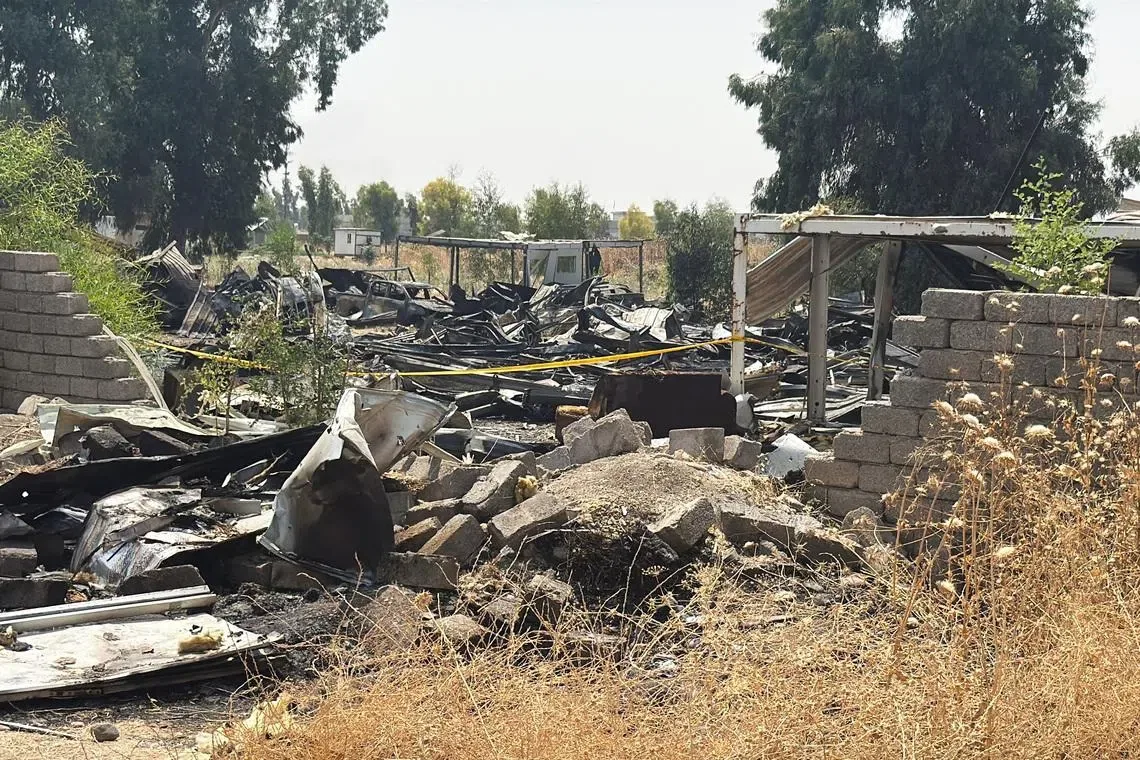
The Iraqi Popular Mobilisation Forces confirmed that some of their headquarters were hit by the Saudi-US airstrikes, resulting in casualties and damage [3, 4]. The Iraqi government is investigating the launch sites of the drones.
Reports surfaced on July 30 that Yemen’s Iran-aligned Houthis have coordinated with Iraqi Iran-backed militias such as Kataib Hezbollah to carry out attacks on Saudi Arabia from Iraqi territory [7, 8]. Chatham House research fellow Farea al-Muslimi said, "There is now direct training and coordination between members of the Axis of Resistance themselves, not just between them and Iran" [7]. The Iraqi militias involved number about 50,000 fighters, with Kataib Hezbollah alone having up to 10,000 members [5].
Simultaneously on July 29, the US military launched separate airstrikes on multiple Iranian military and missile facilities in response to Iranian missile attacks on US bases [9, 6]. Iran fired missiles at US troops in Jordan and vessels in the Strait of Hormuz, which remains under Iranian control; Tehran warned against US interference in the waterway [4, 9, 6].
The United Kingdom Maritime Trade Operations reported two maritime security incidents off Oman near the Strait of Hormuz on August 1, including a tanker struck by an unknown projectile and an explosion nearby [10, 11]. Saudi Arabia confirmed striking Houthi targets in the Red Sea in retaliation for threats to shipping and announced plans to create a multinational coalition to protect key maritime routes [12].
The investigation by Iraqi authorities into the drone launches continues, while the US and Saudi Arabia remain engaged in joint operations targeting Iran-backed groups in Iraq. The situation remains tense as regional proxies and states contest control of strategic areas and infrastructure.