A three-judge panel of the US Court of Appeals for the District of Columbia Circuit ruled on June 1, 2026, that transgender troops currently serving cannot be removed under the Trump administration's 2025 transgender military policy, but the military may continue to ban new transgender enlistments [1, 2, 3, 4, 5, 6].
The 2-1 split decision declared the 2025 policy "discriminatory, arbitrary, and motivated by animus toward transgender people," according to the court majority [1, 2, 3, 4, 6]. Judge Robert Wilkins said, "This policy appears to be driven by the bare desire to harm a politically unpopular group" and added, "It appears to us to be a much greater hardship to end a military career than to delay the start of one" [1, 2].
The dissent, by Republican-appointed Judge Justin Walker, argued courts lack the "expertise nor the authority to decide whether the military can exclude the plaintiffs from its ranks" [2, 3, 4, 6].
The challenged policy came from a January 27, 2025, executive order by President Trump that claimed transgender identity conflicted with military discipline and readiness [1, 3, 4, 5, 6]. The Pentagon issued a 13-page memorandum under Defense Secretary Pete Hegseth in February 2025 disqualifying service members with gender dysphoria symptoms or prior gender affirmation treatments [1, 3, 4, 5].
A preliminary injunction issued by District Judge Ana Reyes in March 2025 blocked removal of six active-duty transgender troops and has now been partially upheld by the appeals court to cover 28 active-duty transgender plaintiffs facing discharge [1, 3, 4, 6]. However, the court allowed the Pentagon to continue banning transgender people from new enlistments pending ongoing litigation [1, 2, 5, 6]. Some disagreement remains whether the injunction extends to new transgender enlistment applicants, with Judge Judith Rogers supporting broader protection, but most of the majority permitting the enlistment ban [1, 2, 3, 5, 6].
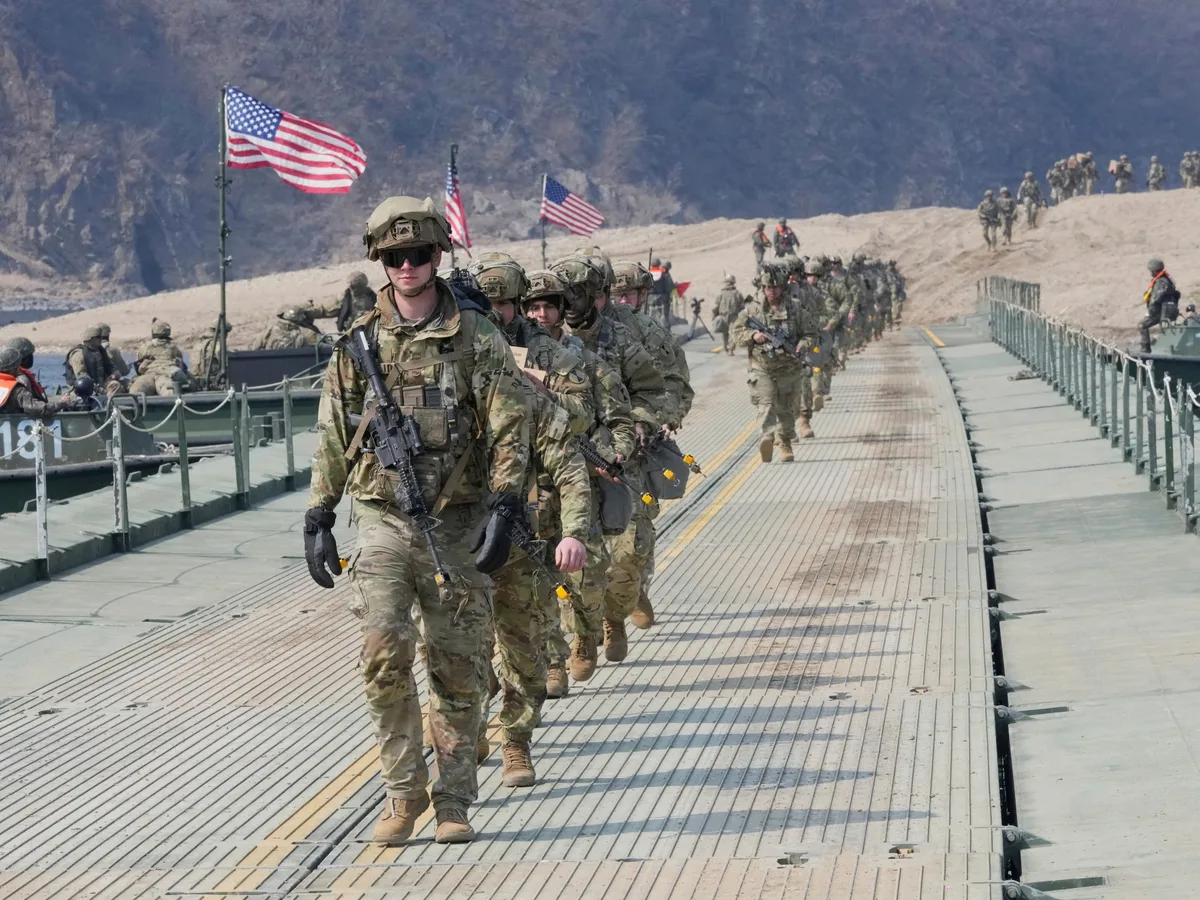
Estimates suggest about 1,000 openly transgender service members are currently active, with advocates estimating up to 15,000 transgender personnel overall in a force of roughly 1.3 million active duty members [1, 5]. The Trump administration's policy forms part of a wider effort to reduce recognition and accommodation of transgender people in government and the military [2, 5].
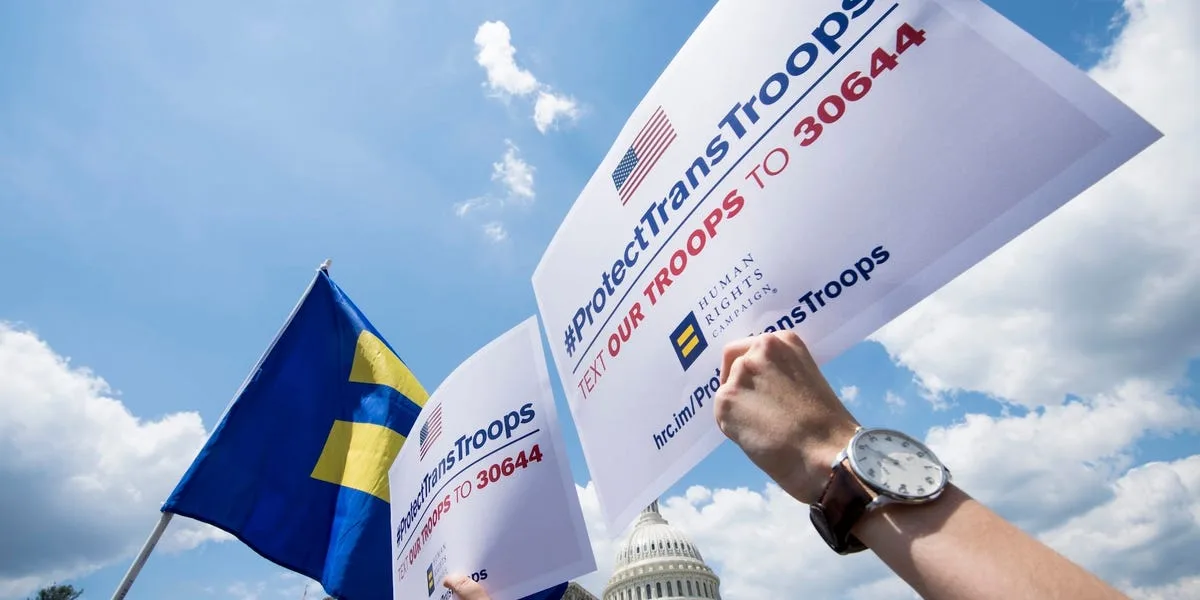
Defense Secretary Pete Hegseth signaled plans to appeal the ruling to the Supreme Court, tweeting "See you at SCOTUS" [1, 2, 5, 6]. LGBTQ legal group GLAD Law praised the decision, with attorney Jennifer Levi calling it "a decisive ruling" confirming the lack of basis to discharge qualified transgender troops [2, 6].