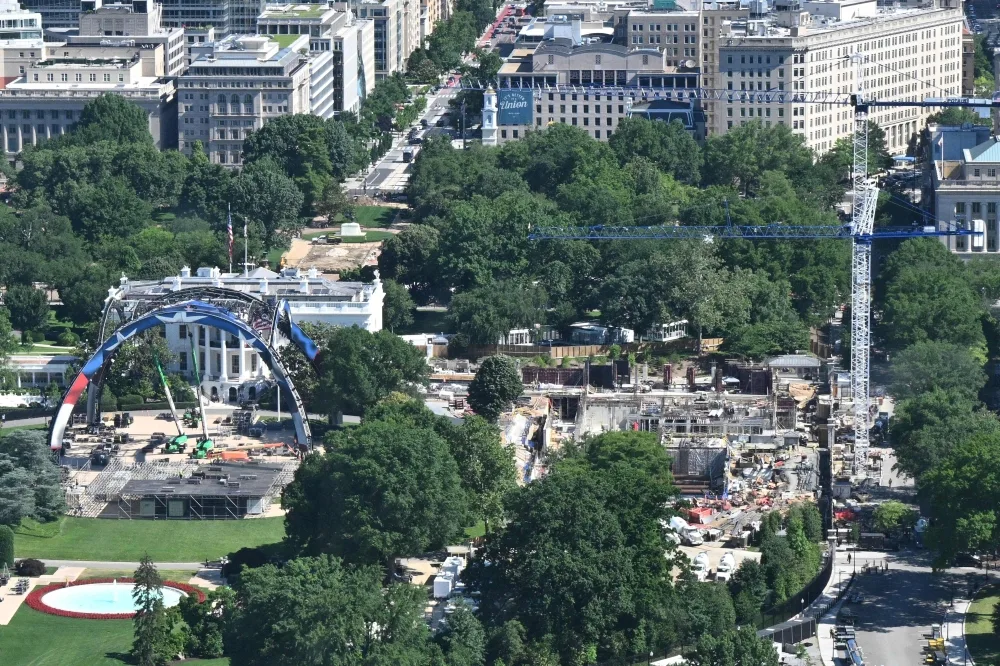
The Trump administration is challenging a court ruling that halted above-ground construction of a 90,000-square-foot ballroom on the site of the White House's demolished East Wing. The East Wing was torn down in October 2025 to clear space for the project, which is estimated to cost $400 million [1, 2].
A federal district court ruled that the construction could not proceed without congressional approval. Judge Richard Leon found no statute authorizes the President to build the ballroom without Congress's consent [2]. The Trump administration disputes that, arguing that the project is a national security necessity tied to past assassination attempts against President Trump. They contend that courts lack authority to halt construction and that any pause must come from Congress [1, 2]. Justice Department attorneys say the ballroom will ensure the President can perform constitutional duties in a safe and secure environment [2].
Preservation advocates, including the National Trust for Historic Preservation, filed suit last year, asserting the project violates historic preservation laws and congressional authority [2]. The federal appeals court has allowed construction to continue during ongoing litigation but has yet to issue a ruling on the case's merits [2].
In court, Justice Department attorney Yaakov Roth argued that individuals with cultural or historical ties to landmarks lack legal standing to sue once demolition has started. He said, "people with cultural ties to landmarks do not have standing to sue once demolition has begun" [1].
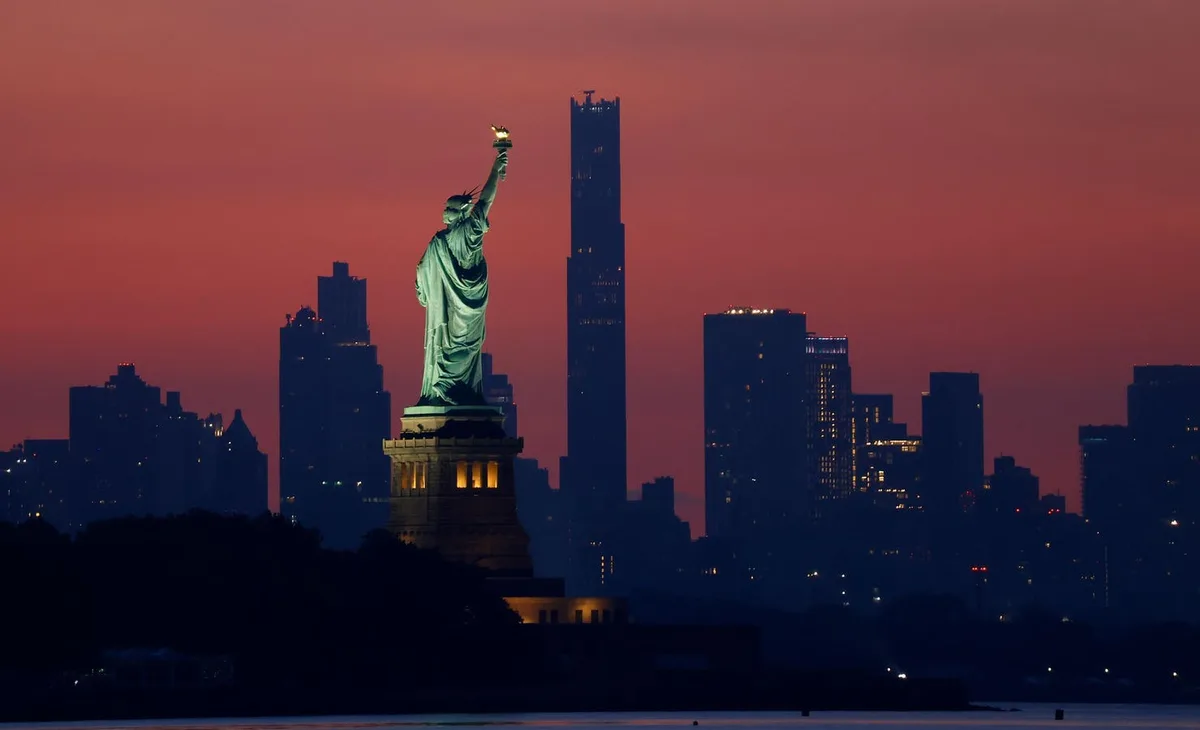
Judge Patricia Millett questioned whether lawsuits could halt demolition of icons like the Statue of Liberty or the White House once work begins, suggesting that "if the government decides very quickly and bulldozes the Statue of Liberty, nothing can be done" [1]. Roth responded negatively to that scenario.
The appeals court heard arguments on June 5, 2026, and allowed construction to proceed while it considers the legality of the project [1, 2]. The administration continues to maintain the ballroom is vital to national security and executive function [2].
Construction and legal proceedings are ongoing, with the court expected to issue a decision in the coming months.