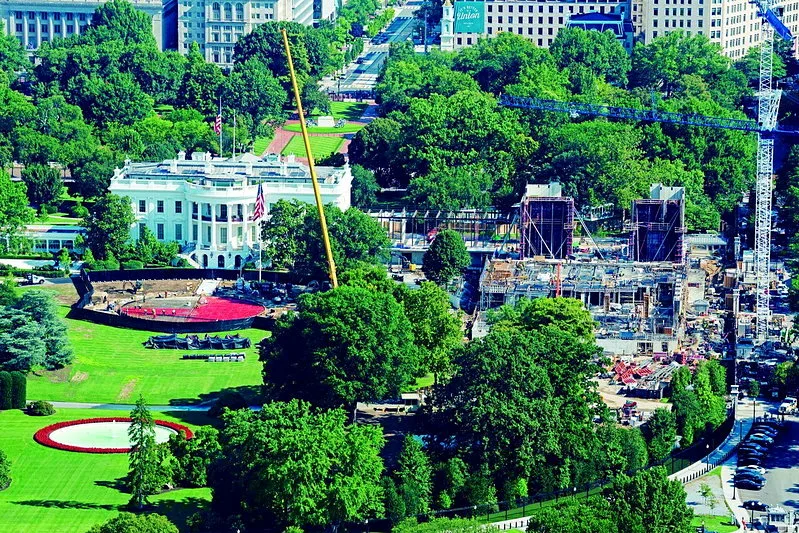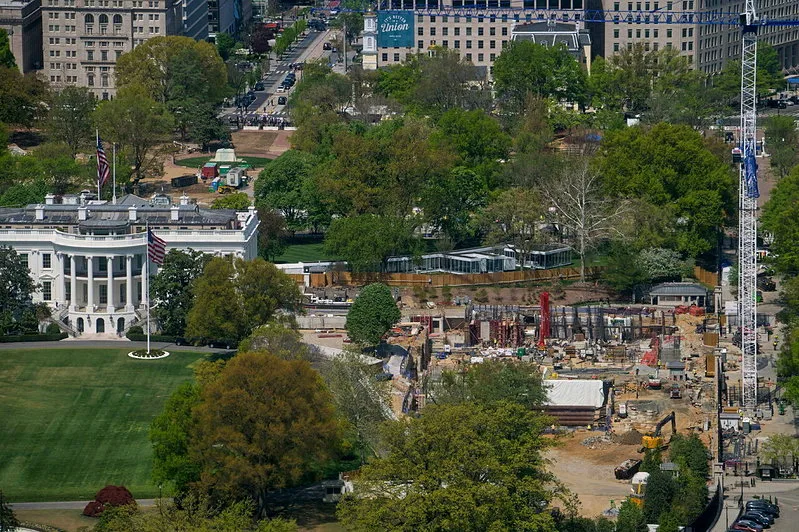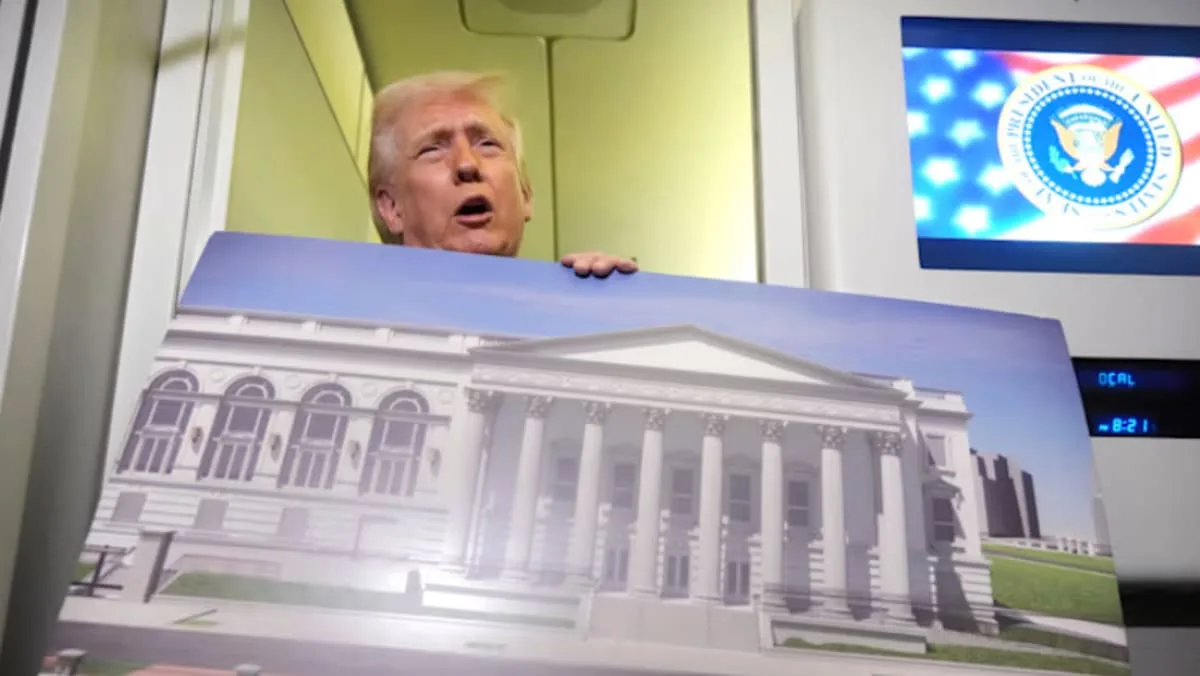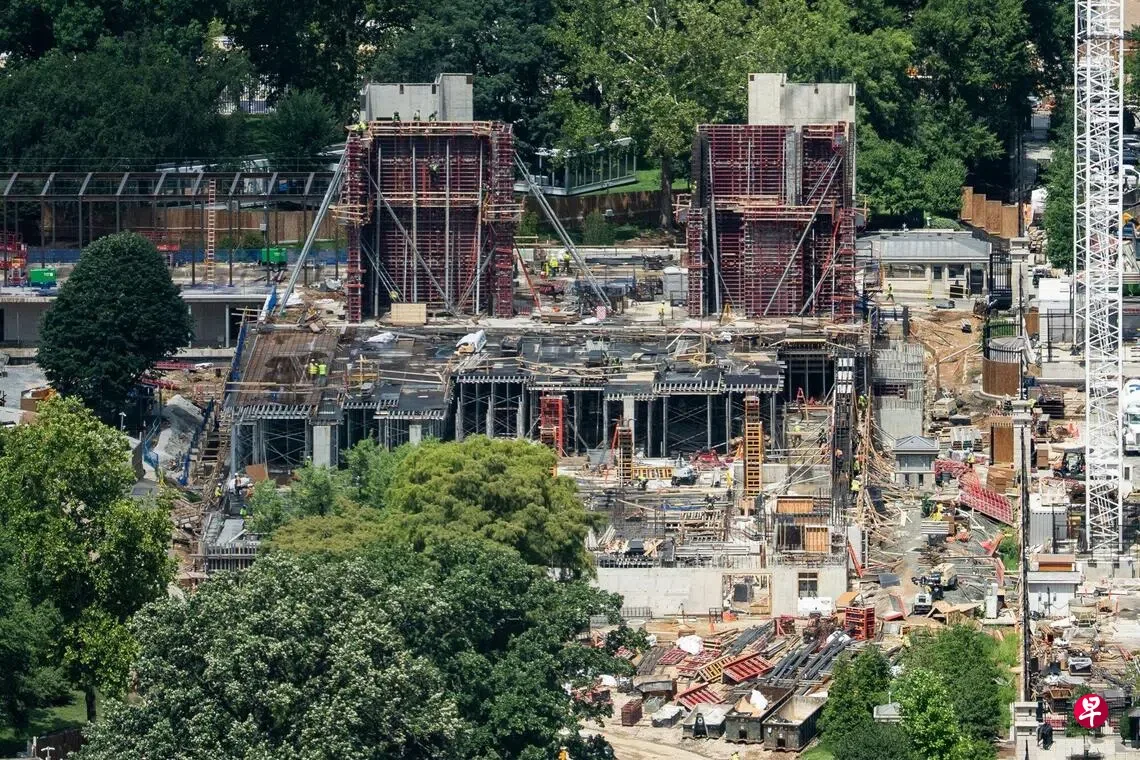
The US Court of Appeals for the DC Circuit ruled 2-1 on August 7, 2026, to uphold a lower court injunction blocking construction of a $400 million White House ballroom ordered by President Trump. The court said the administration lacked Congressional approval for the project, which involves demolishing the historic East Wing and building a 90,000-square-foot facility with underground military and security features [1, 2, 3, 4, 5, 6].
The court majority stated, "Whether to build a large ballroom should be decided by Congress, not by the executive branch alone. Congress has not granted unlimited power to redesign and reconstruct the White House—a people's house—based on a president's personal wishes" [1]. It rejected the Trump administration's claim that executive authority suffices for such major structural changes without Congress [1, 2, 7].
Trump criticized the ruling as "a National Security Threat at the highest level" and "a National Disgrace," calling it "a politically motivated and unlawful decision" and vowed to appeal immediately to the Supreme Court [7, 8]. The court delayed enforcement of the injunction for 14 days to allow time for that appeal [1, 3, 7].
The ballroom project had advanced significantly by mid-2026, with concrete walls above ground and extensive underground work underway [3, 4, 5]. The demolition of the East Wing was completed in December 2025 [7, 4].
The National Trust for Historic Preservation filed the original lawsuit, arguing the demolition violated preservation laws and that Congress must authorize such construction [1, 2, 7]. Brent Leggs of the Trust said the ruling "represents the American people's right to have a voice in the historic places they cherish, including the White House" [5].
Trump said the ballroom was privately funded by corporations and wealthy individuals, including himself, not taxpayer money [7, 8]. Yet media reports and Congress’s rejection of a $1 billion security funding request related to the project in May 2026 suggest public funds were involved [7, 4, 5].
The ballroom is part of a wider set of renovations Trump plans for the White House and DC monuments, including work at the Lincoln Memorial and a large arch construction project [4, 9].
The court's 14-day delay means the injunction could take effect by August 21 unless the Supreme Court grants an emergency stay. The Trump administration is expected to file its Supreme Court appeal within that timeframe [1, 7].