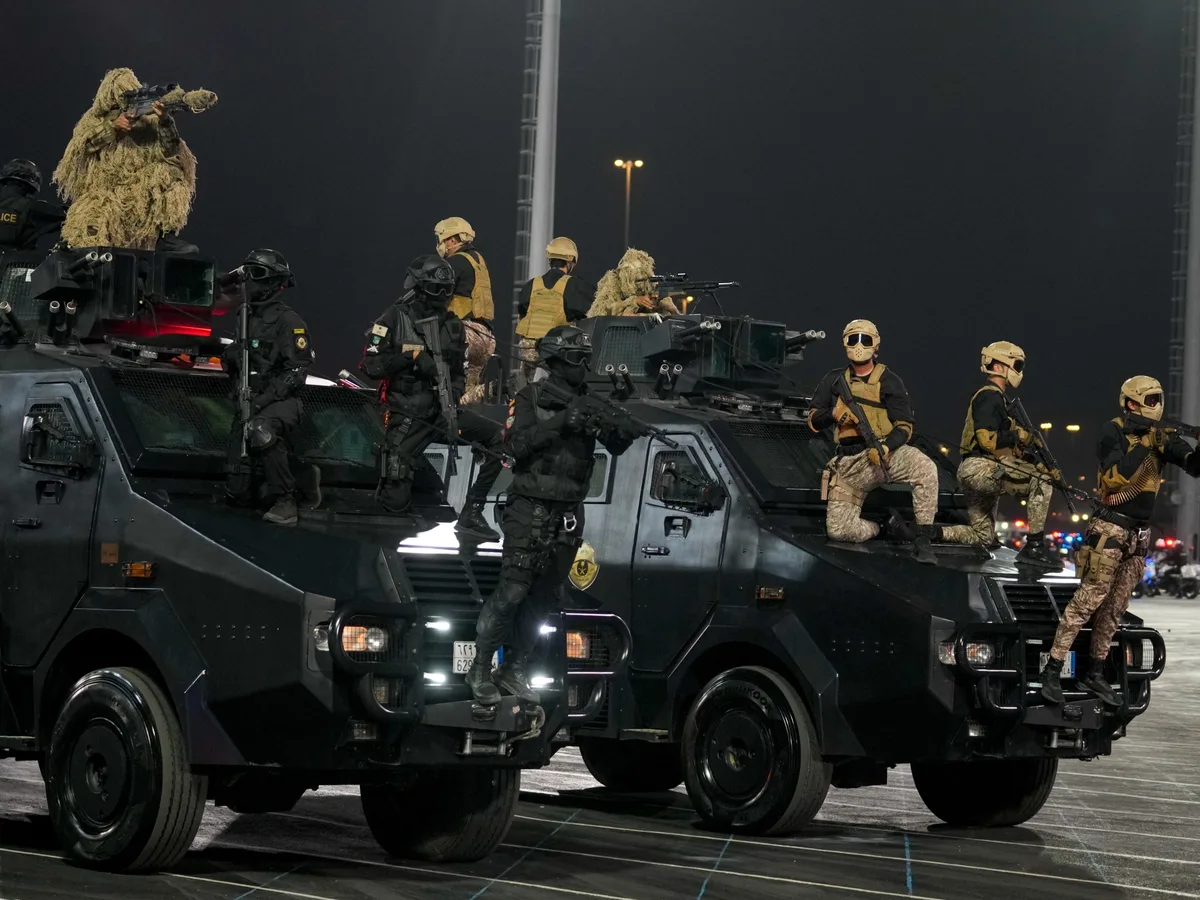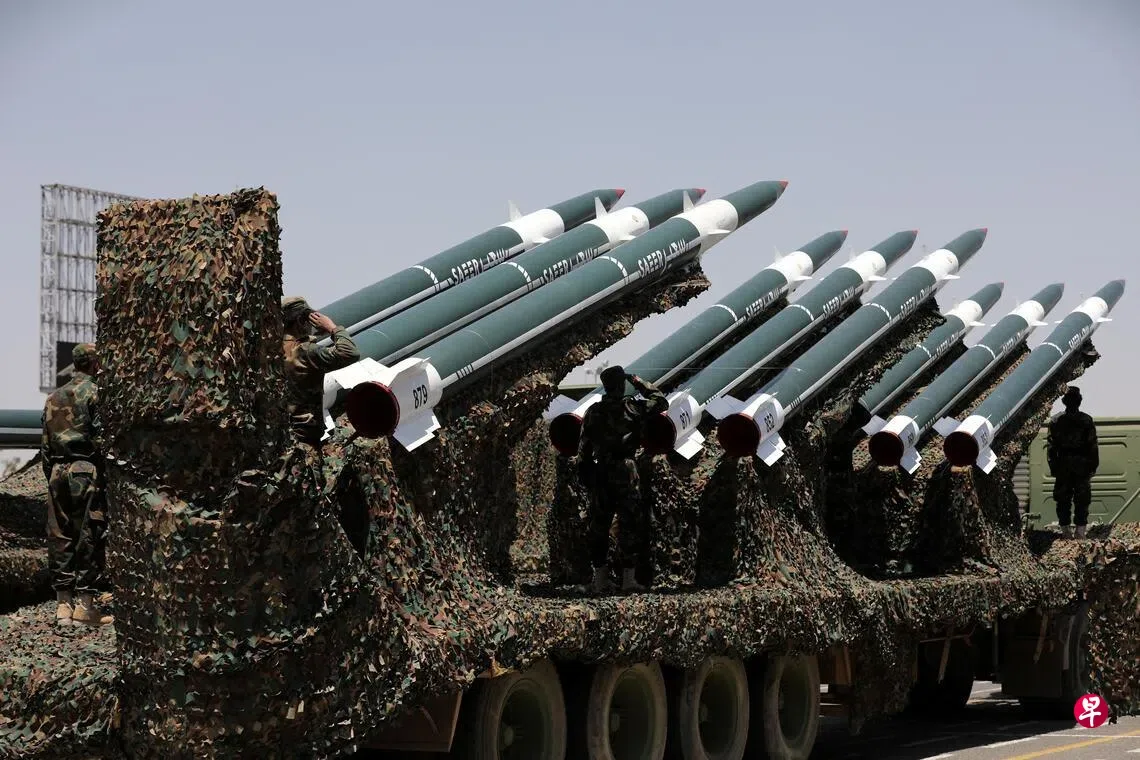
The US Department of State approved a potential $1.96 billion weapons sale to Saudi Arabia on July 15, 2026, intended to enhance the kingdom's air defense capabilities amid rising conflict in the Middle East [1, 2, 3, 4, 5, 6]. The sale includes up to 20,000 Advanced Precision Kill Weapon Systems (APKWS) and their warheads [1, 2, 3, 4, 5, 6]. BAE Systems, headquartered in Nashua, New Hampshire, is the principal contractor for the deal [2, 3, 4, 7, 5, 8, 6].
US officials said the sale aims to support American foreign policy and national security objectives by improving the security of Saudi Arabia, a Major non-NATO Ally and stabilizing force in the Gulf region. The State Department said, "This proposed sale will support the foreign policy and national security objectives of the United States by improving the security of a Major non-NATO Ally that is a force for political stability and economic progress in the Gulf Region" [3]. The package is also designed to strengthen Saudi homeland defense and enhance interoperability with US, regional, and NATO forces [1, 3, 4, 5, 6]. Officials stressed the deal would have no adverse impact on US defense readiness or alter the regional military balance [1, 2, 4, 5, 6].
The sale comes as conflict escalates in the region. On July 13, 2026, Iran-backed Houthi forces launched a missile attack on Abha airport in southern Saudi Arabia, one of several recent attacks [1, 3, 4, 5, 6]. The Houthis have warned they would target Saudi oil and other vital facilities if Riyadh escalates its military actions against Yemen. Houthi political bureau member Farah told Reuters, "The US is pushing Saudi Arabia into war with the Houthis, which is definitely not in America's interest" [1]. Yemen’s Houthi leader Abdul-Malik al-Houthi added, "All Saudi oil and other vital facilities would be targets for our missiles and drones if Riyadh escalates aggression against Yemen" [3].
On the same day as the Saudi arms sale approval, the US also approved a $484 million Foreign Military Sale sustainment package to Kuwait, which includes support for C-17 aircraft [7, 8].
Delivery timelines for the Saudi Arabian package have not been publicly detailed. The approval marks a significant step in US arms support to a key regional ally amid ongoing tensions.