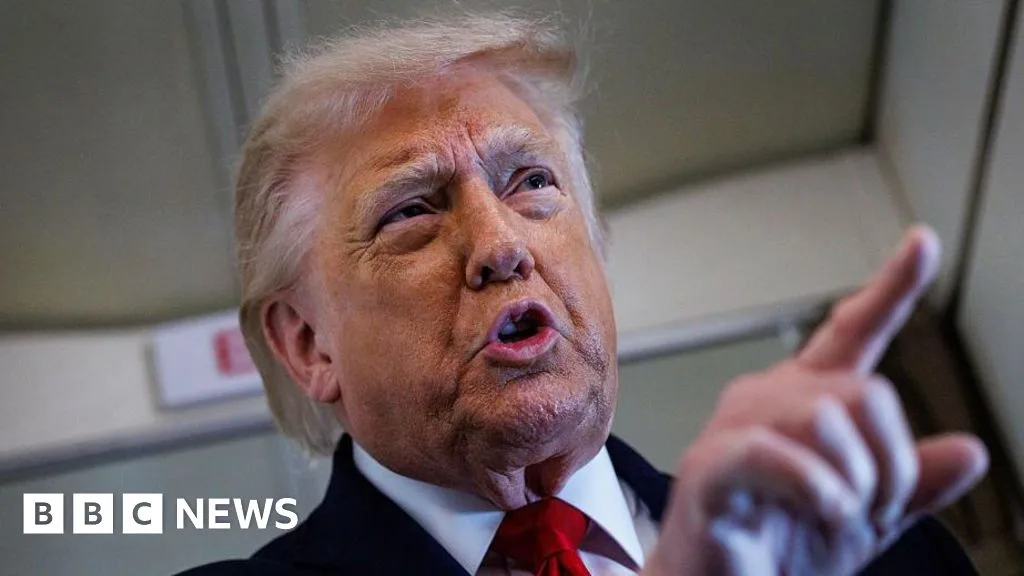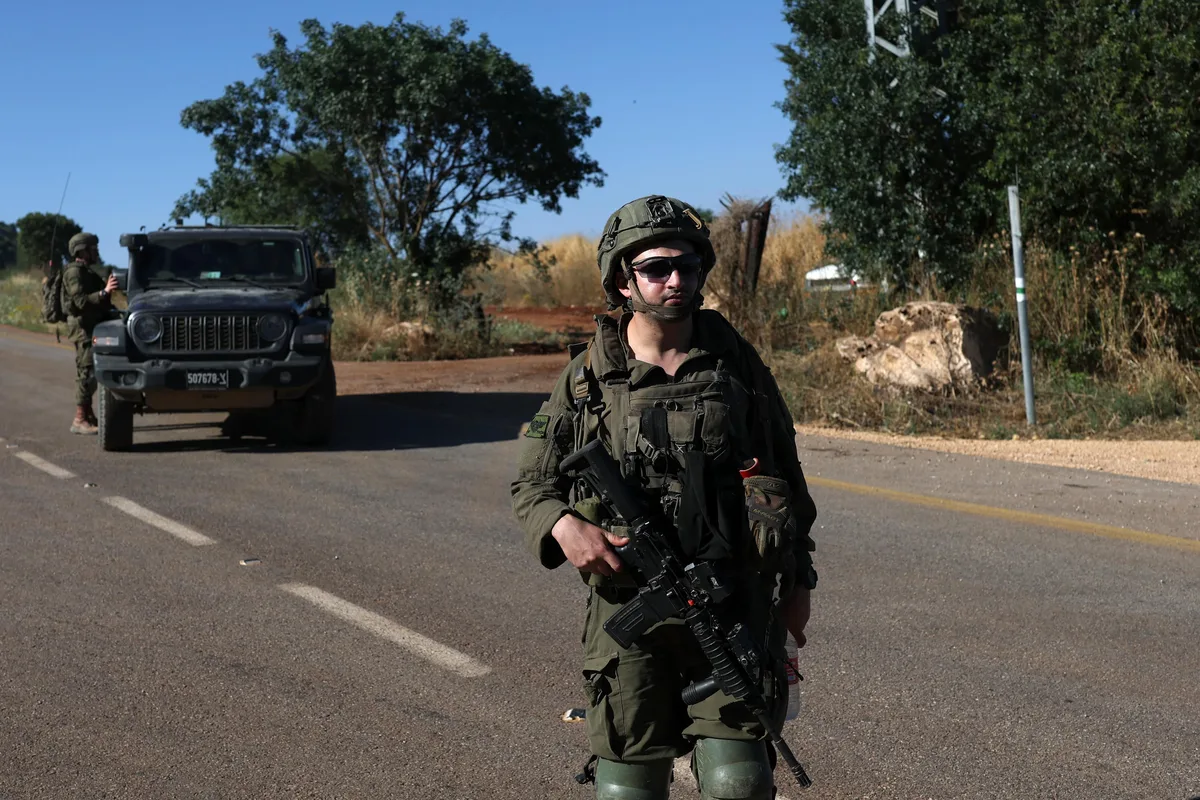
A US Army Apache helicopter crashed around 3 a.m. local time on June 8 near the Strait of Hormuz while on patrol; both crew members were rescued by a US Navy surface drone, but the cause remains under investigation [1, 2, 3, 4]. US President Donald Trump said on June 9 that Iran shot down the helicopter, adding, "I have just been informed by our Great Military that last night the Iranians shot down one of our highly sophisticated Apache Helicopters while patrolling over the Strait of Hormuz... the United States must, of necessity, respond to the attack" [5, 3]. A US official indicated an Iranian one-way attack drone was responsible for downing the helicopter [6, 4]. However, some sources say the cause is unknown, including potential mechanical failure [1, 2].
On June 9, US Central Command launched retaliatory "self-defense strikes" against Iranian targets. The strikes hit Iranian air defense systems, ground control stations, and radar sites near the Strait of Hormuz at President Trump's direction [7, 6, 4]. The US called the strikes a proportional response to "unjustified Iranian aggression" [6].
In response, Iran's Islamic Revolutionary Guard Corps said it struck 21 US military targets across the region, including bases in Bahrain and Jordan, with Kuwait's army reportedly intercepting some missiles [7]. Iran's Foreign Minister Abbas Araghchi condemned US actions, saying Iran would "leave no attack or threat unanswered" and blaming the US for damaging diplomacy through contradictory messaging and ceasefire violations [7, 4]. President Trump accused Iran of being "completely defeated," saying, "Much of it, like their Navy and Air Force, doesn't even exist anymore" [7].
Meanwhile, Iranian and Israeli forces exchanged missile and air strikes June 8-9, including Israeli strikes on the Lebanese city of Tyre that killed at least eight people [2, 5, 4].
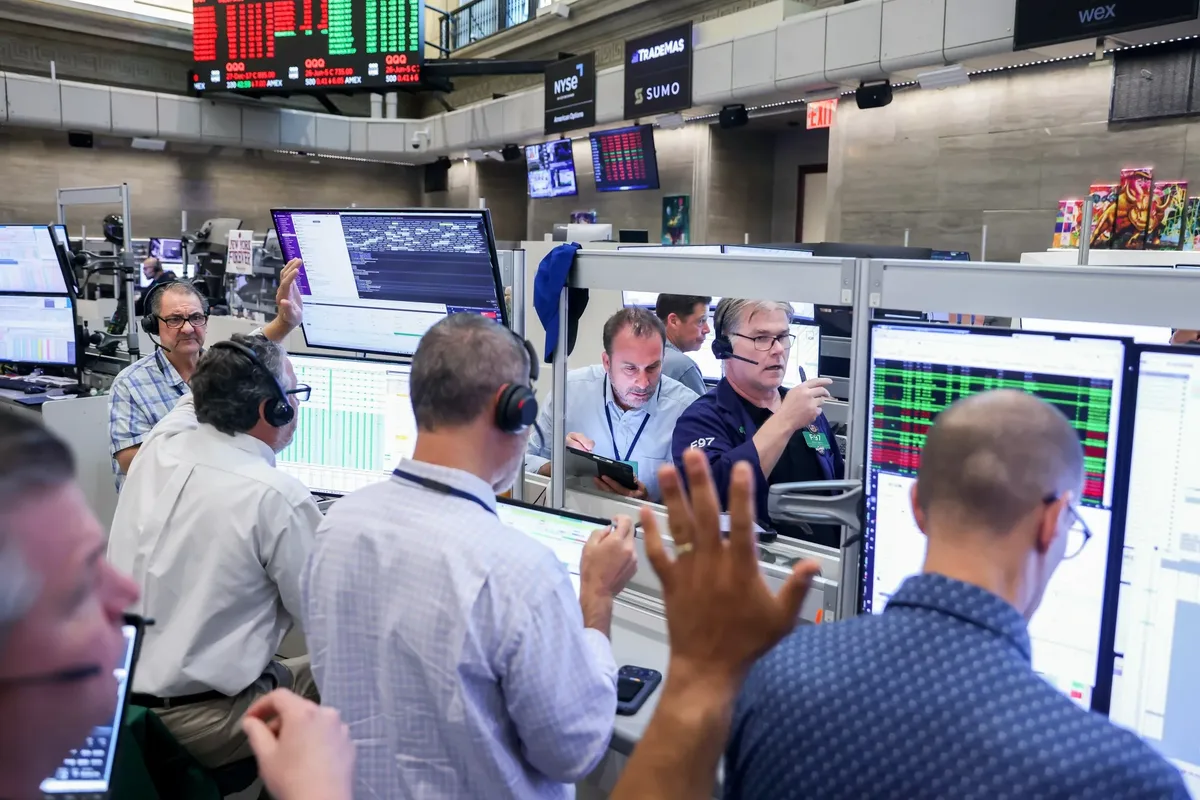
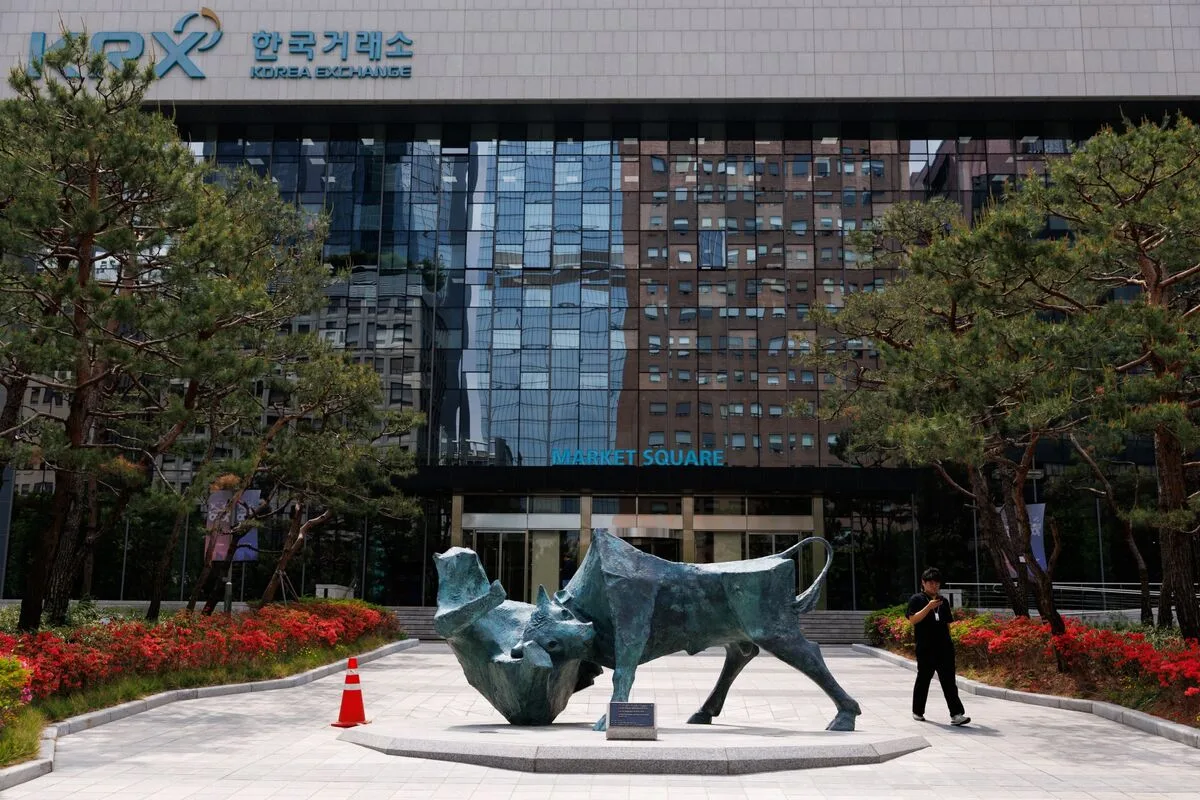
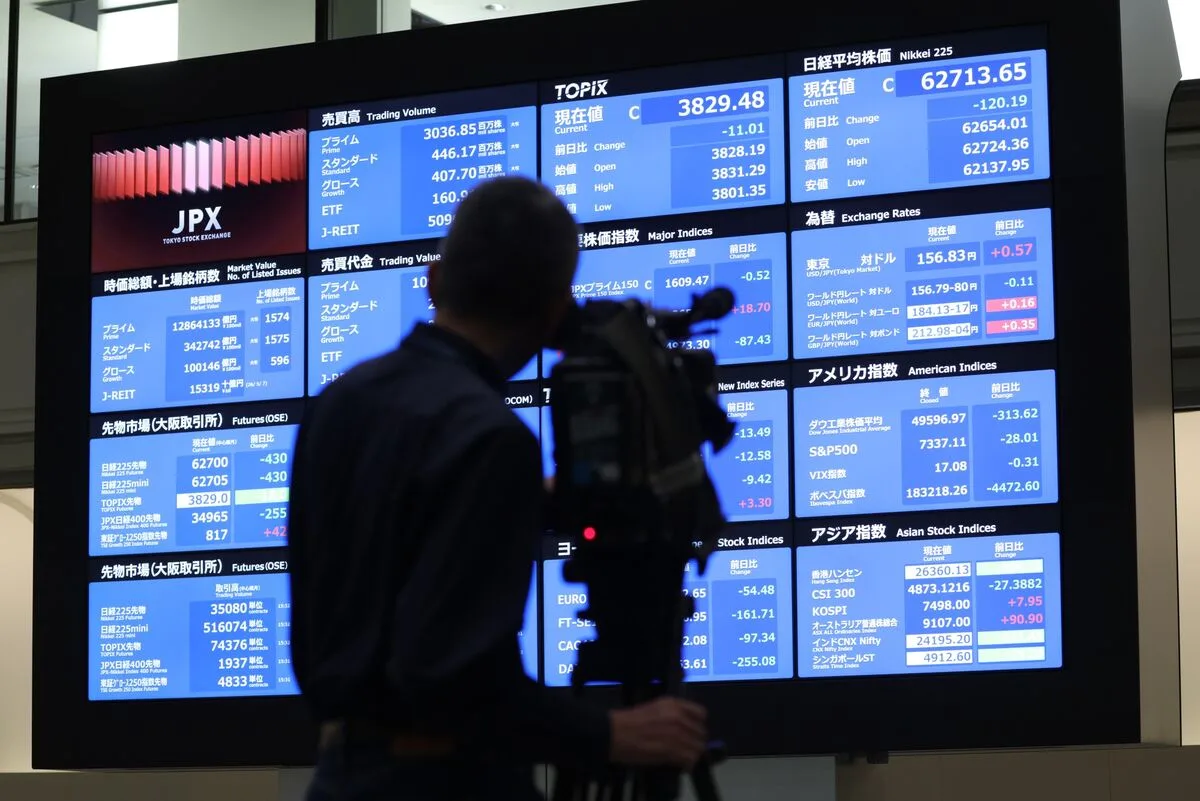
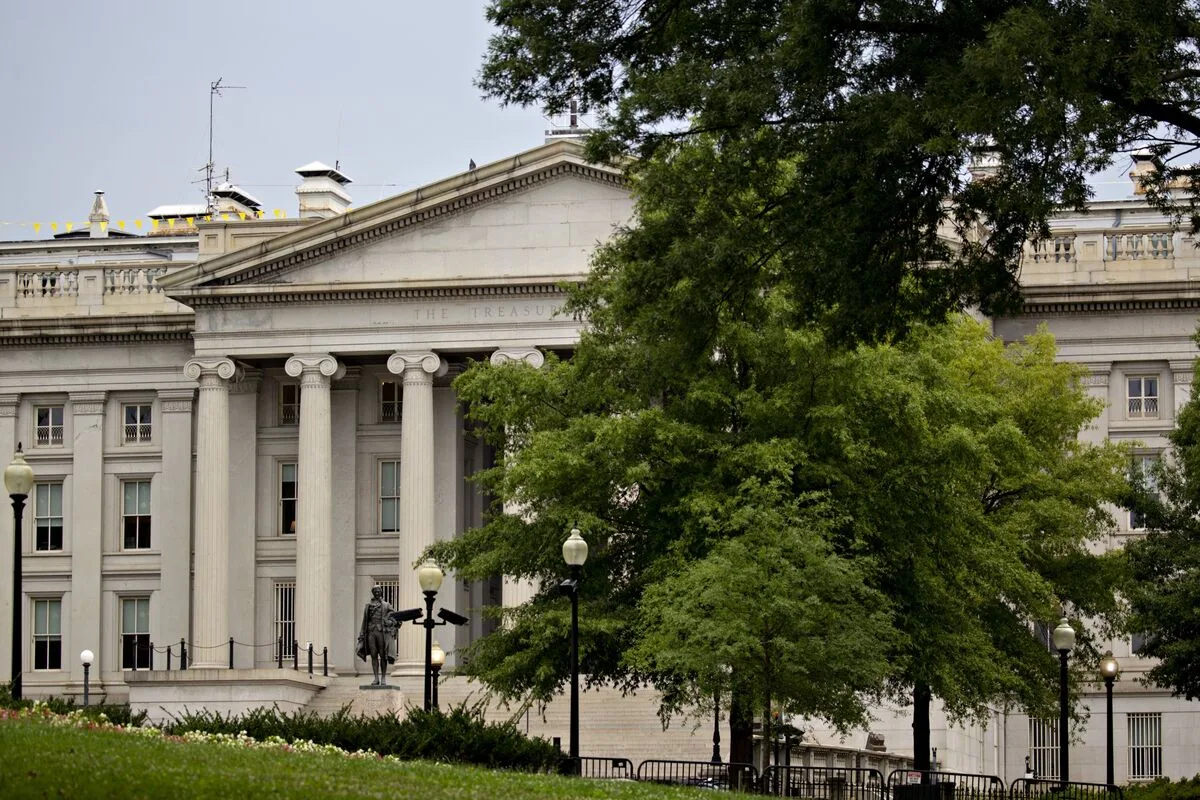
Following Trump's comments on potential peace negotiations, US and Asian stock markets rallied sharply on June 11. The S&P 500 rose 1.8%, Nasdaq 100 jumped 3.3%, and the Philadelphia Semiconductor Index surged 7.9%. Asian markets also rose strongly with South Korea's Kospi up 8.1% and Japan's Nikkei 225 gaining 4.4% [8, 9, 10, 11]. Treasuries strengthened and oil prices declined amid lowered expectations for Federal Reserve rate hikes [12, 9].
The US military and Iranian forces remain active in the region following the June 9 strikes and counterstrikes. The incident has raised tensions significantly as investigations continue into the cause of the helicopter crash and diplomatic channels face strain.