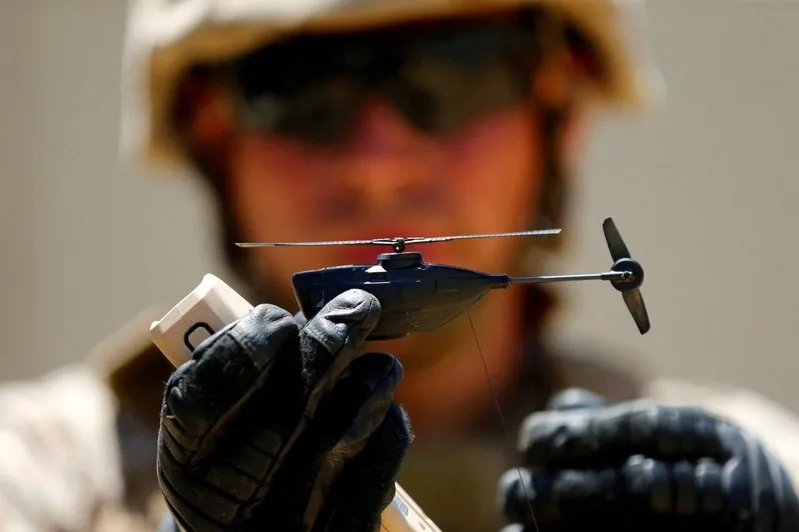
US Army Green Berets are testing new Grasshopper glider drones designed to covertly deliver supplies while slipping past enemy electronic sensors. The drones carry construction materials, food, and medical supplies to troops in the field, emitting minimal electronic signals to remain below electromagnetic detection thresholds [1, 2, 3].
Developed by military tech company Dzyne, Grasshopper drones come in two variants: a glider version and a long-range model that can carry up to 500 pounds of cargo. They can be dropped from altitudes as high as 25,000 feet and stay airborne for hours, pre-programmed to land within 10 meters of different teams on the ground [1, 2, 3].
At the recent SOF Week conference in Tampa, officials from US Special Operations Command Europe discussed the drones’ development. A logistics official said, "The higher the drones are released, the farther they can fly. They can stay airborne for hours and be released from as high as 25,000 feet, each pre-programmed to reach a different team on the ground" [3].
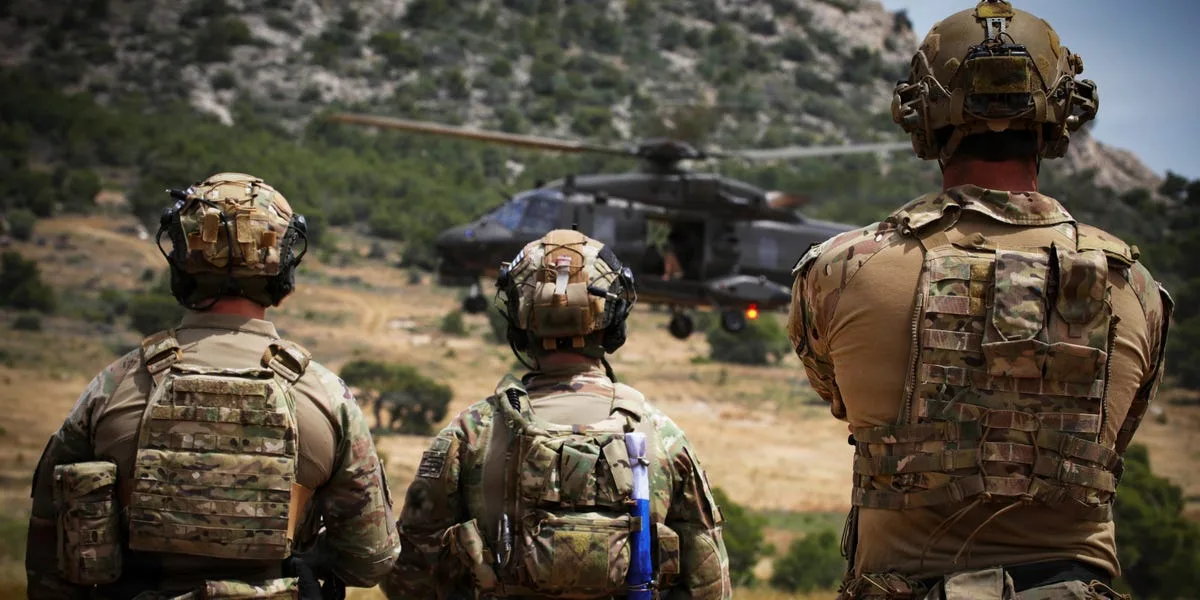
In May 2026, during the Trojan Footprint joint military exercise in Romania and Macedonia, Romanian aircraft dropped two Grasshopper glider drones to supply US Green Berets operating in the region [1, 2, 3].
The US military is concerned about the electronic emissions from radios, phones, and drones revealing troop locations. Efforts are underway to reduce these signals. A Special Operations Command official said, "We are researching how forces can move, communicate, and resupply without electronic emissions revealing their location. Glider drones are emerging as a potential tool" [3].
Traditional non-electronic tools like paper maps and compasses are also being reintroduced to reduce digital signatures on the battlefield. "Digital stealth is absolutely essential for survival on the modern battlefield. Traditional tools like paper maps and compasses are making a comeback," said an official [1].
The Grasshopper drones are described as expendable aerial resupply systems designed for contested or denied environments. The US Army and Special Operations Forces plan to continue testing the drones’ capabilities and deploy them in relevant exercises and operations [3].