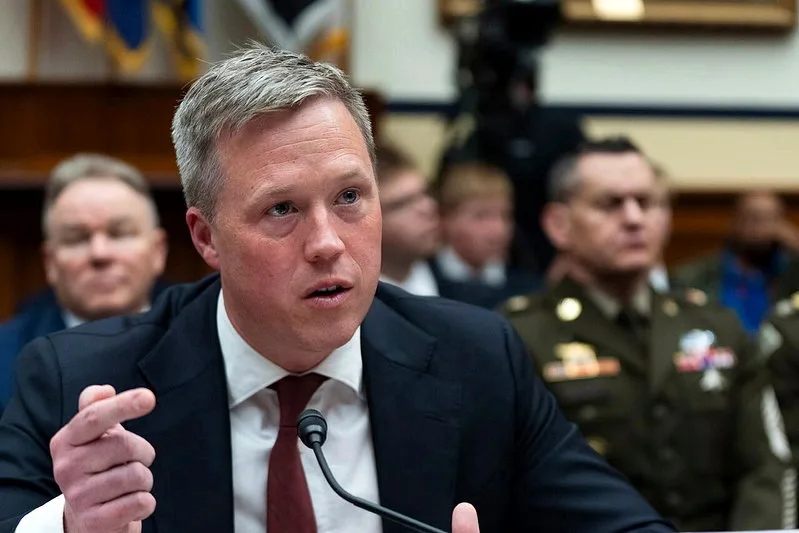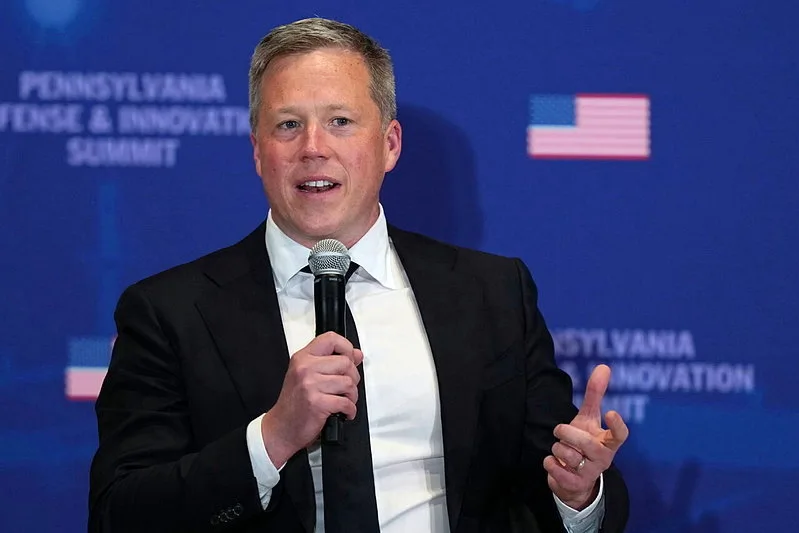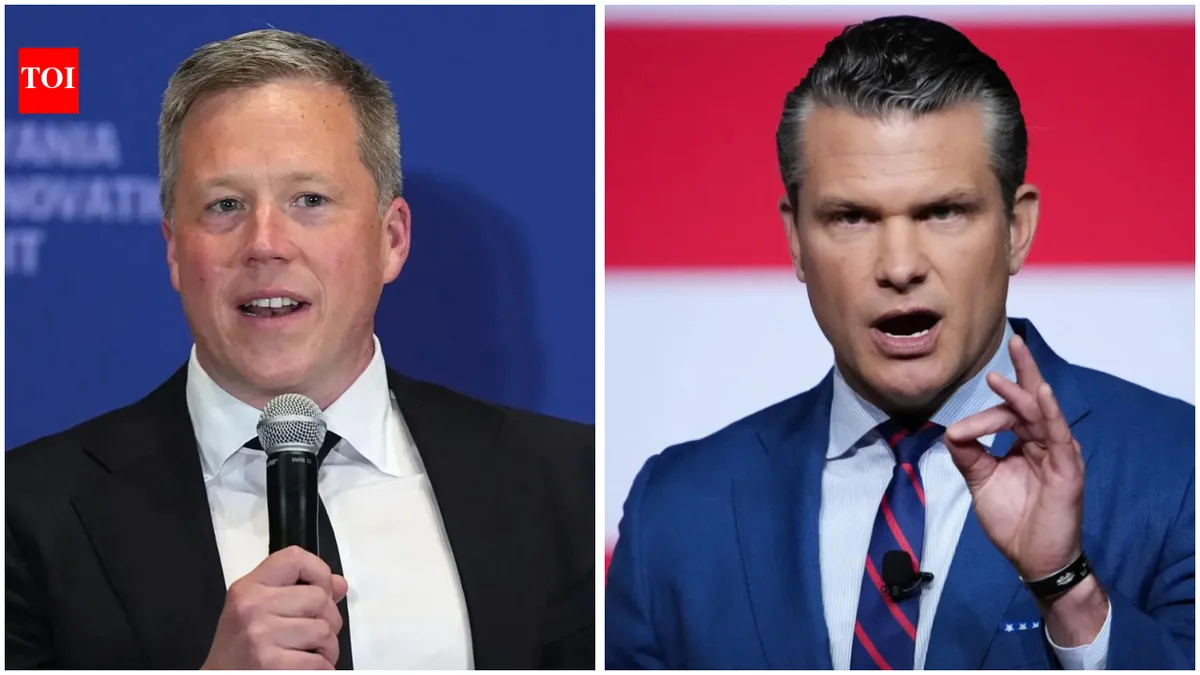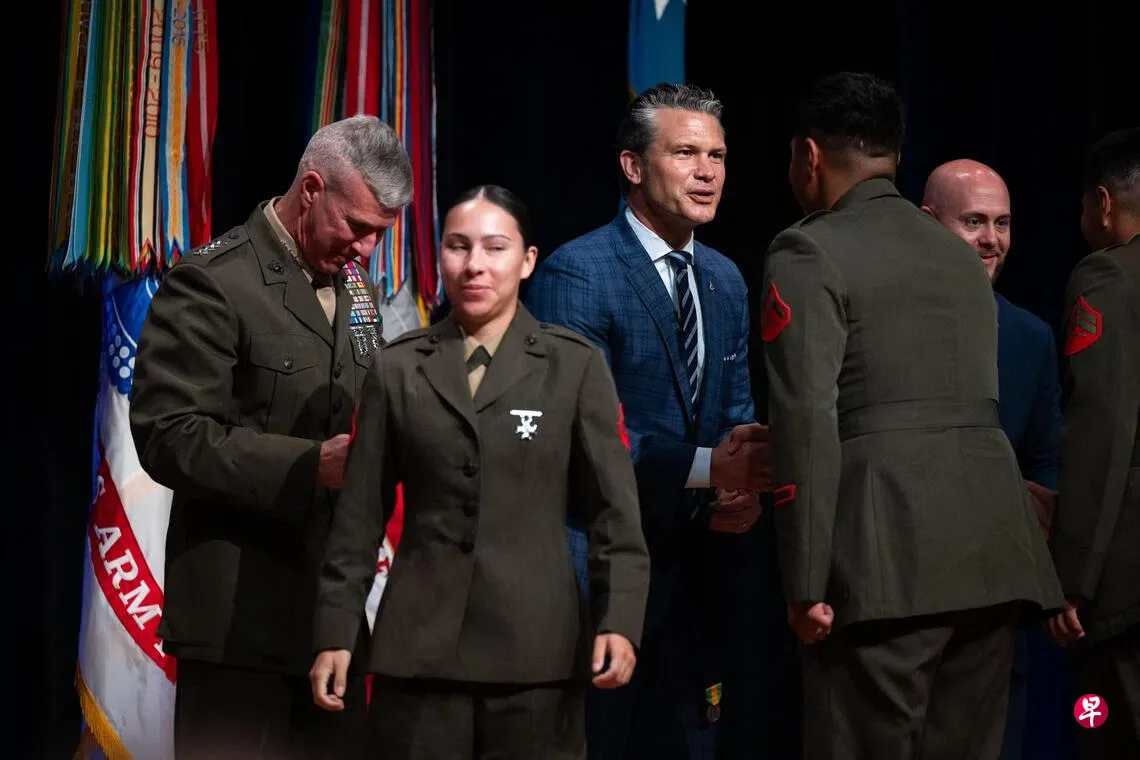
US Army Secretary Dan Driscoll plans to leave his post by December 31, 2026, possibly sooner, amid ongoing tensions with Defense Secretary Pete Hegseth over military reforms and personnel moves [1, 2, 3, 4, 5]. Driscoll has served as Army Secretary since February 2025, completing about 18 months in the role as of August 2026 [1, 2, 3, 4, 5].
The friction between Driscoll and Hegseth has centered on strategic disagreements and leadership decisions. In April 2026, Hegseth abruptly fired Army Chief of Staff Gen. Randy George without explanation and named Gen. Christopher LaNeve as acting chief—a decision that drew criticism from Republican lawmakers [1, 2, 3, 4, 5]. Driscoll, who praised George as "a remarkable transformational leader," had maintained a close working relationship with the general while pushing for modernization and new technology adoption in the Army [1].
In an unusual sign of strain, Driscoll and his family moved out of the official residence at Joint Base Myer-Henderson Hall during summer 2026. His family relocated to North Carolina, while Driscoll took up residence in a smaller on-base apartment [1, 2, 3, 4].
Driscoll has longstanding ties to Vice President JD Vance and engaged early on with both Vance and former President Trump on Army reform talks dating back to the Trump administration [2, 3, 4, 5]. He also advocated for the Army to incorporate commercial technologies, drawing on practices used by the Ukrainian military, and participated in discussions with Ukrainian President Volodymyr Zelensky on peace efforts [2, 3, 4].
During Driscoll’s tenure, private-sector companies committed over 25 billion yuan to build data centers, critical mineral refineries, and dining facilities across US Army bases [2, 3, 4].
Driscoll’s departure will leave the US Army without a Senate-confirmed secretary and coincides with the absence of a Senate-confirmed Army Chief of Staff, creating a leadership gap [1, 2, 3, 4, 5].