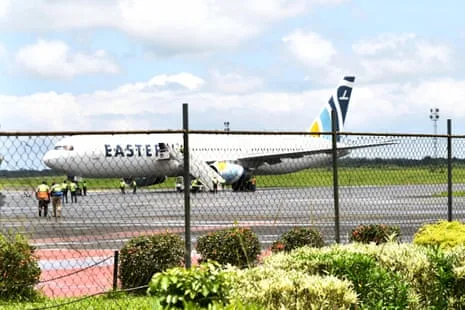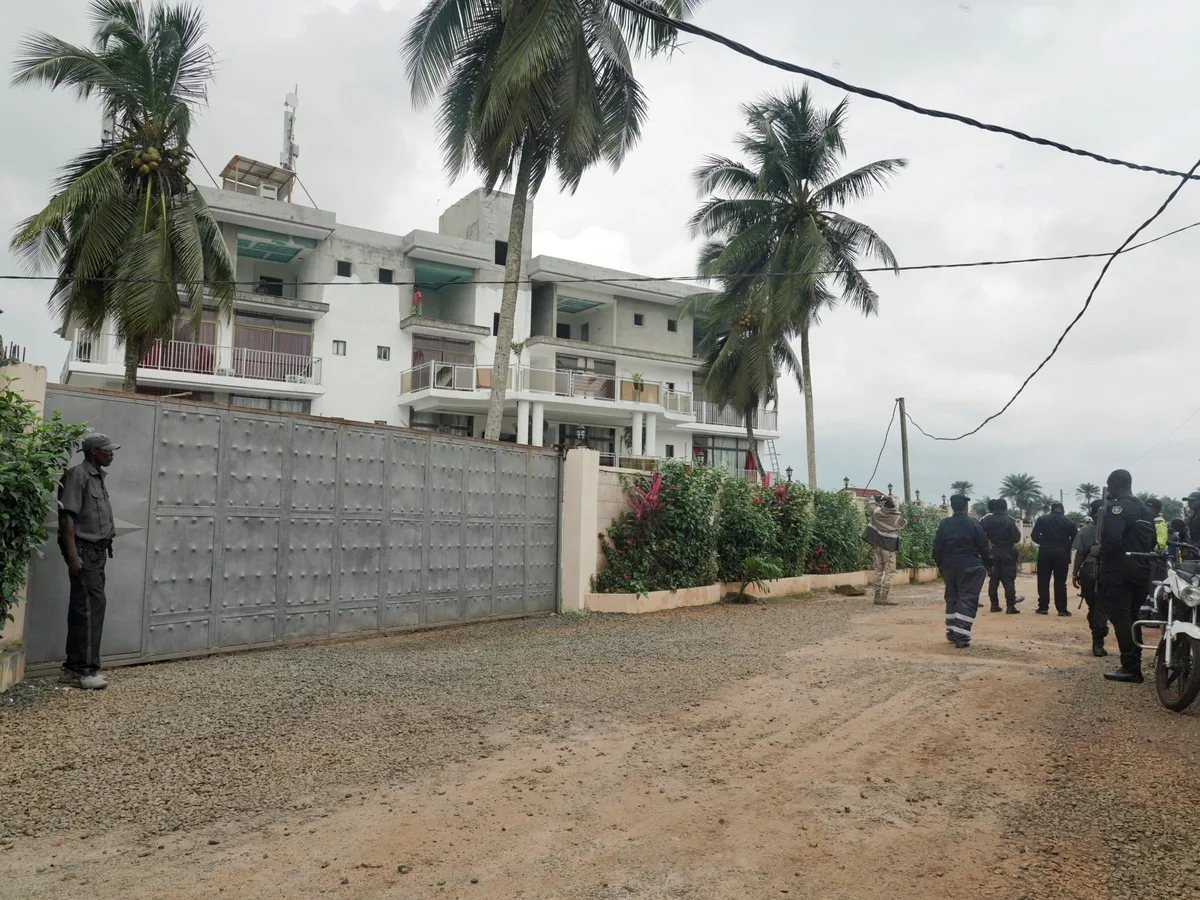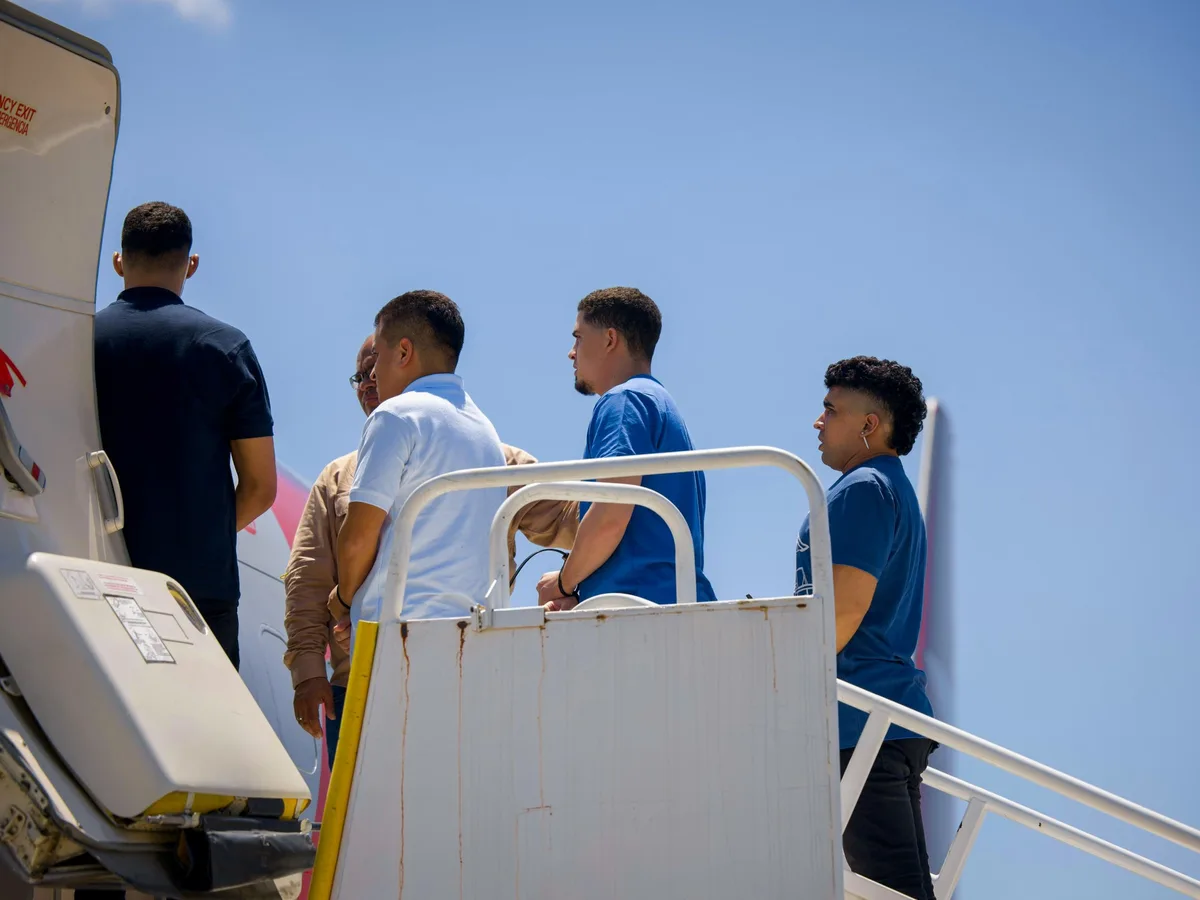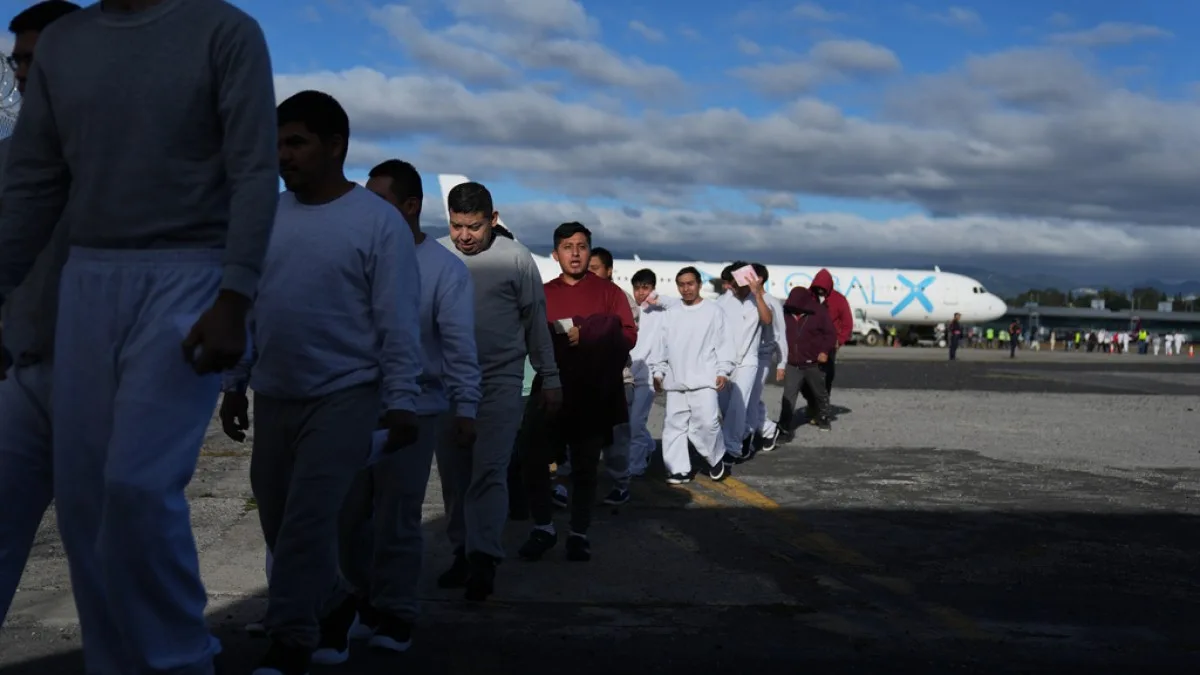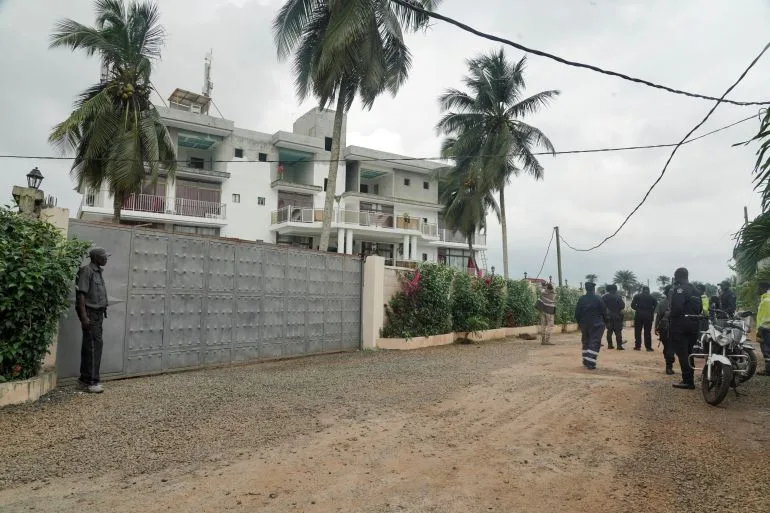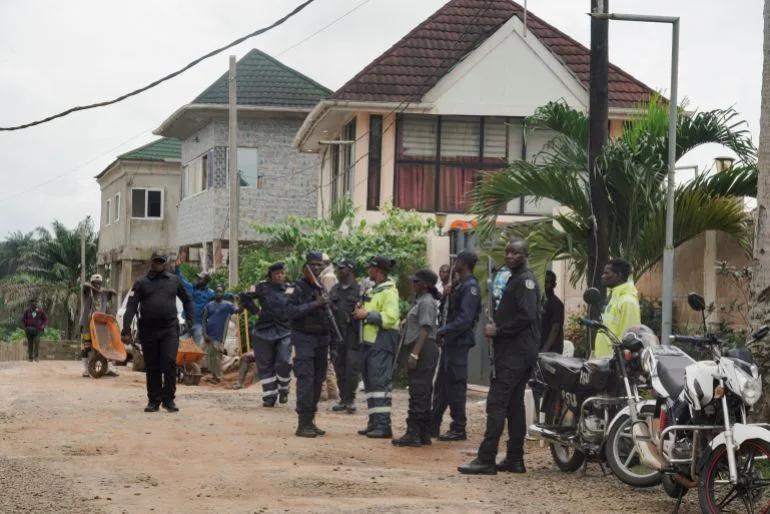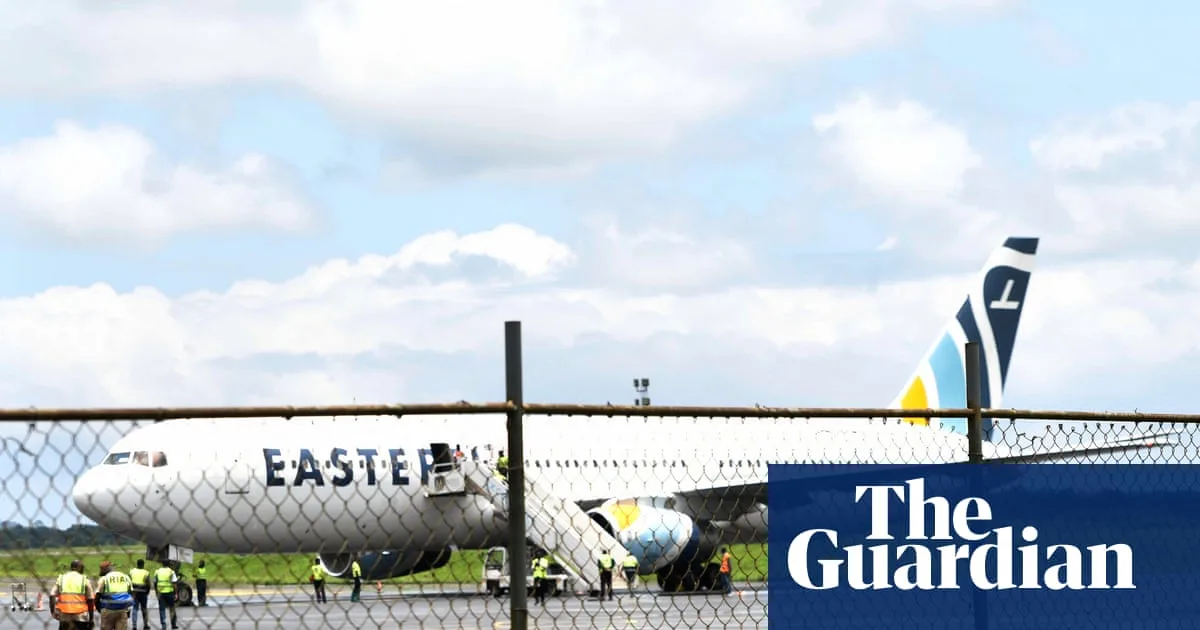
The United States deported 20 migrants to Liberia on Thursday, marking the first group under an agreement to send up to 1,200 third-country deportees to Liberia over the next year [1, 2, 3, 4]. The migrants included nationals from Africa, Latin America, and the Caribbean, with some specifically identified as Venezuelan, Cuban, and Colombian [1, 2, 4].
The deportees landed at Roberts International Airport near Monrovia and were immediately taken away by Liberian authorities [1, 2, 5, 4]. Liberia described the deportations as humanitarian and said the migrants were received as "guests of the Republic" who are free to apply for asylum and may leave Liberia if they choose. "Those coming to Liberia are received as guests of the Republic. They are free to leave and may seek asylum," said Liberian Information Minister Jerolinmek Piah [1, 2, 5, 3, 4].
Liberian officials denied receiving any financial compensation for agreeing to accept deportees. Piah said, "The transfer of persons to Liberia is not a transaction with a quid pro quo. Liberia has not demanded or received any compensation or promise of reward in exchange for its consent to participate in the program." The US has provided $5 million this year to Liberia to support migration management [2, 3, 4].
The policy of deporting migrants to third countries expanded under the second term of the Trump administration, starting in 2025. Since then, the US has signed agreements with at least 35 countries to accept deportees [2, 3].
Some migrants deported under these agreements have faced legal and humanitarian concerns, as many have no prior ties to the countries where they are sent. Critics note this raises questions about sovereignty and migrant rights [1, 5]. Samwar Fallah, a Monrovia-based lawyer, said, "You cannot relocate a citizen from one country to another without clear information as to why that person has been relocated. Imagine you coming from maybe El Salvador and then you find out you are on a plane to Liberia." [5]
Liberian politicians said they were not fully consulted about the agreement, and some families of deportees have sought legal assistance regarding their relatives' status and future [5]. Historically, Liberia has served as a refuge for formerly enslaved Black people from the US and Caribbean, which partly informs its acceptance of deportees [3, 4].
On Tuesday, Liberia announced the agreement to receive up to 1,200 deportees from the US over the next year [2, 5]. The US flight arriving Thursday was the first under that deal [1, 2, 3, 4].