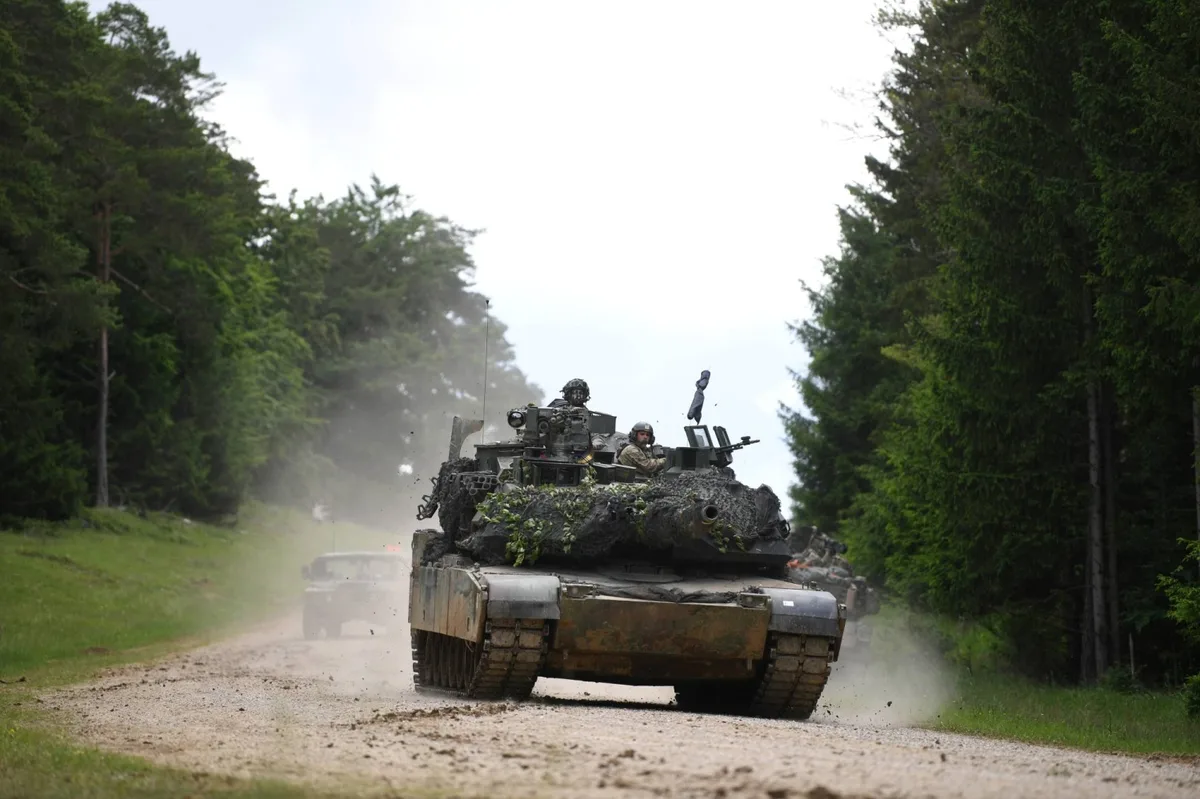
The United States has begun withdrawing 5,000 troops from Germany as ordered by President Donald Trump, marking the first step in a planned long-term reduction of US forces in Europe [1, 2, 3]. This troop pullback equals less than 10% of the roughly 80,000 US troops currently stationed across Europe [2, 3].
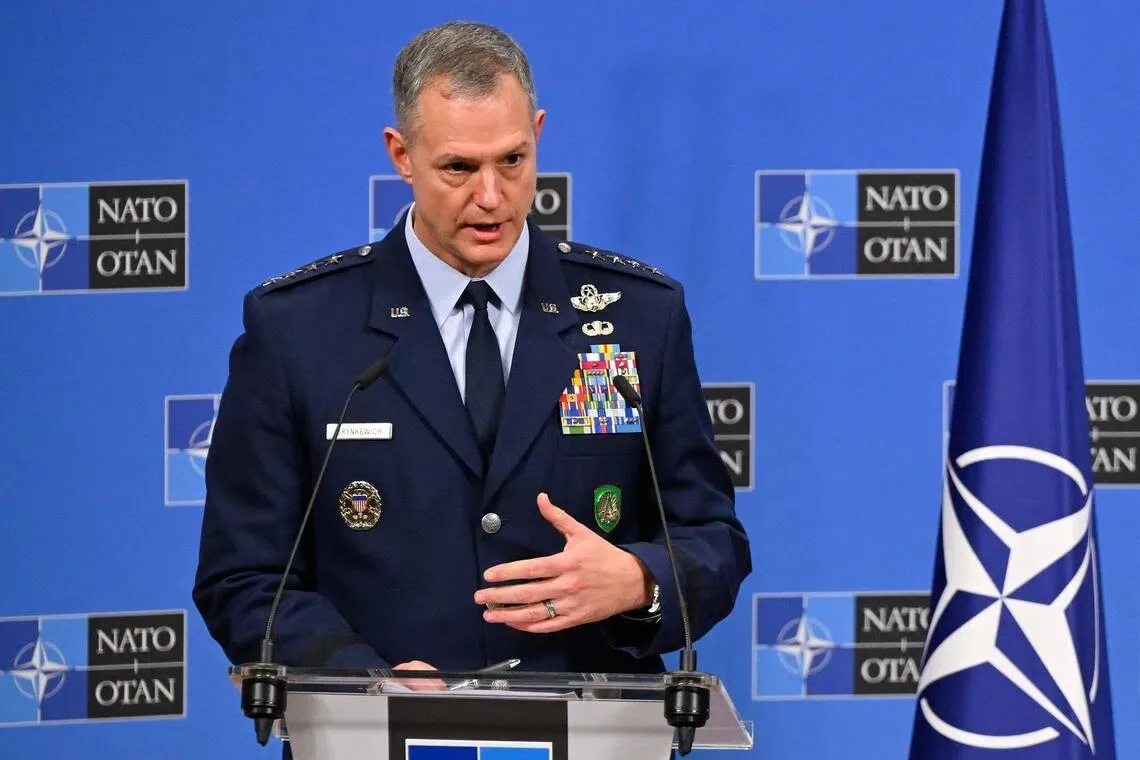
NATO’s top commander, US General Alexus Grynkewich, said the troop reduction will not harm NATO’s defense capabilities or affect the executability of regional plans. He stated, "I’d like to emphasise this decision does not impact the executability of our regional plans" and added the US will continue to provide critical capabilities that European allies cannot yet supply [1, 2].
General Grynkewich also said the process will unfold over several years, coordinated with Europe's efforts to strengthen its own defense. "As the European pillar of the alliance gets stronger, this allows the U.S. to reduce its presence in Europe and limit itself to providing only those critical capabilities that allies cannot yet provide," he said. "I can't really give you an exact timeline; it's going to be an ongoing process for several years" [2].
The withdrawal decision followed a dispute between Trump and German Chancellor Friedrich Merz over policy on the Iran war. The move came suddenly and caught European allies off guard, raising concerns about US commitment to NATO [1, 2, 3]. Despite these concerns, NATO continues to rely on US assets such as command and control systems, intelligence satellites, strategic bombers, and nuclear deterrence [2].
European officials worry a rapid reduction in US forces could weaken the continent’s defense against potential Russian threats, though Russia denies hostile intent [2]. The troop pullback is viewed by some as a geopolitical signal to Europe amid growing transatlantic tensions [3].
Europe plans to increase defense spending and demonstrate this commitment at the upcoming NATO summit in Turkey scheduled for July 2026, where President Trump is expected to attend [1]. Additionally, NATO foreign ministers are set to meet in Sweden later this week to ease tensions between the US and European allies [1].