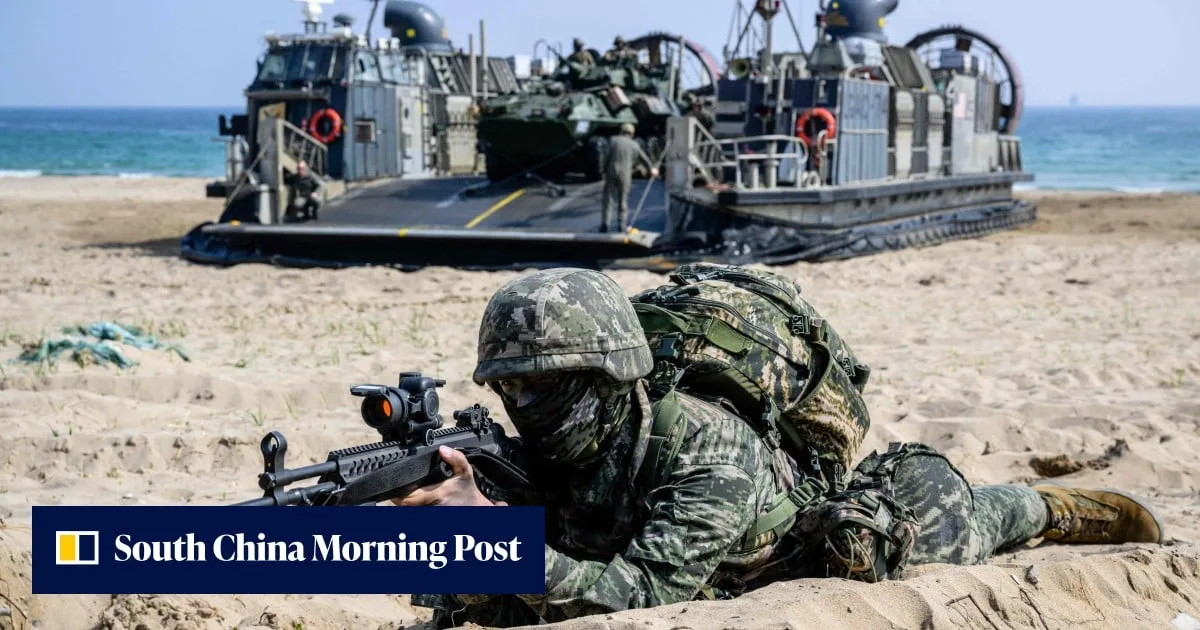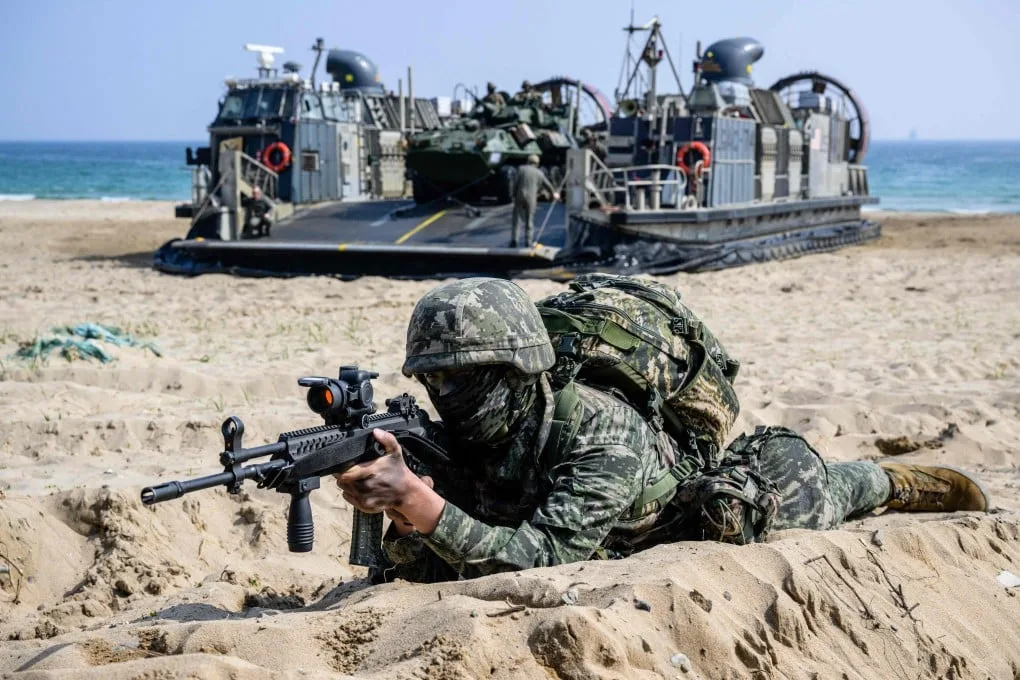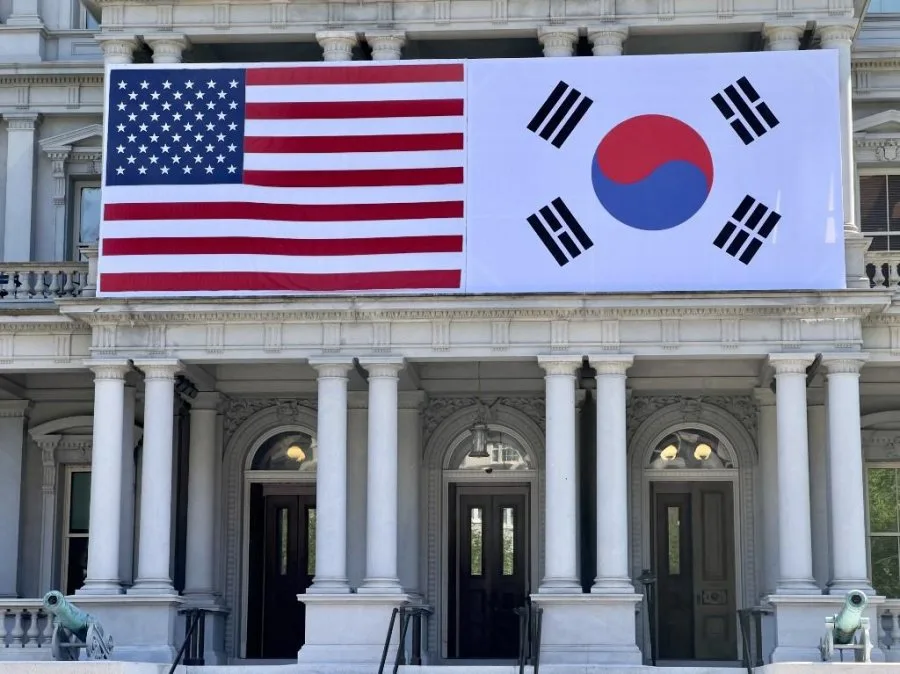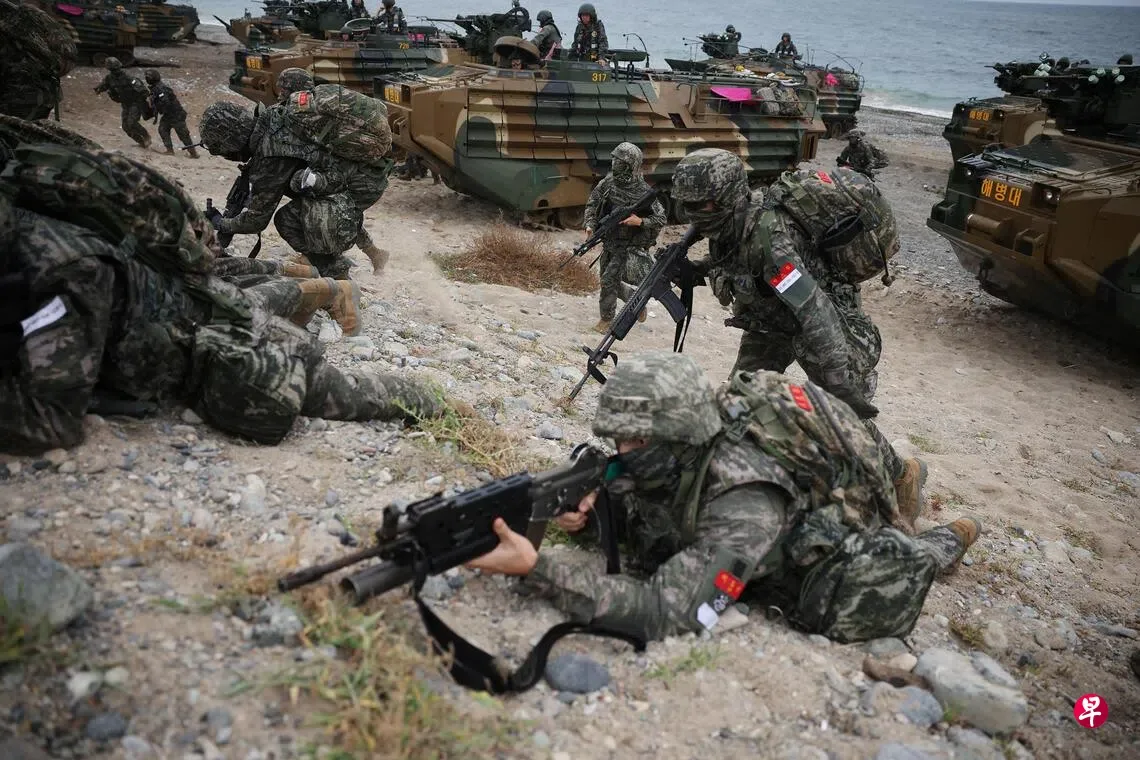
The United States has cancelled the planned September Ssangyong joint amphibious landing exercise with South Korea because of limited US military forces caused by the ongoing war with Iran. South Korea officially announced the cancellation on August 24, citing US force constraints linked to the conflict in the Middle East [1, 2, 3, 4, 5, 6, 7].
The US Marine Corps formally notified South Korea in June 2026 that its ability to deploy forces for the exercise would be limited. South Korean Marine Corps spokesman Han Seung-jeon said, "The US Marine Corps formally notified our forces in June that its ability to deploy forces during this year’s Ssangyong exercise would be constrained due to the situation in the Middle East" [2, 5].
Ssangyong exercises are biennial drills focused on amphibious landing operations involving South Korean and US Marines. They include the use of ships, aircraft, and ground forces [1, 2, 4, 5, 7]. South Korea and the US are currently in consultations on resuming the cancelled exercise, but no details have been disclosed [1, 2, 3, 4, 5, 7].
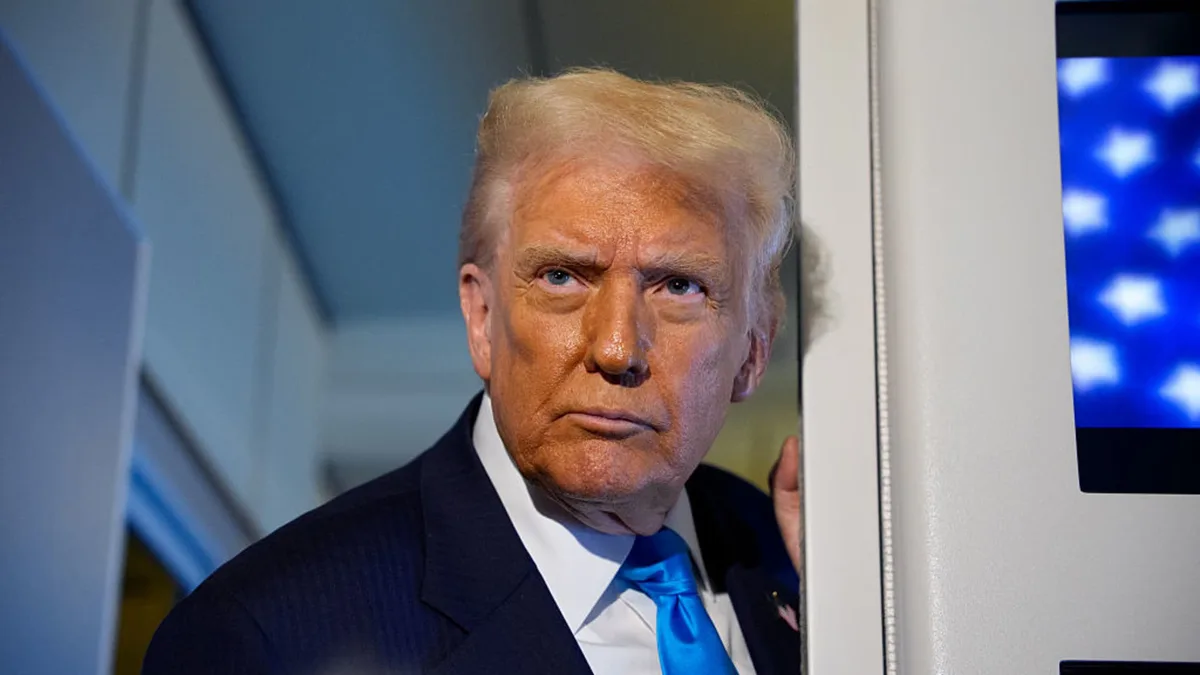
This cancellation follows the US decision to scale down the annual Ulchi Freedom Shield (UFS) joint exercises in August 2026. The original 11-day UFS drills were shortened to 5 days by order of US President Donald Trump, who cited high costs and the exercises sending "an inappropriate and hostile signal to North Korea" [1, 2, 3, 4, 5, 7]. Trump described North Korea as "a Country that, as long as Donald J. Trump has been President, has been unthreatening and respectful" [4].
Despite the reduced drills, North Korea fired 10 short-range ballistic missiles last week and condemned the exercises as rehearsals for invasion [1, 3, 4, 7]. North Korea is estimated to have 80 to 120 nuclear weapons [4].
The US Department of Defense and US Forces Korea have not publicly commented on the Ssangyong cancellation despite multiple requests [3, 4, 5, 7]. Analysts in Seoul have expressed doubts about the reliability of US security commitments amid changing US strategic priorities and the Iran war [1, 8]. South Korea is a major US security ally with an estimated $350 billion investment commitment from its side [8].
The war with Iran, involving the US and Israel, is expected to continue possibly into 2027, sustained by ongoing oil flow through the Strait of Hormuz [9]. This conflict remains the primary reason for US military resource shortages affecting joint exercises with South Korea [1, 2, 3, 4, 5, 6, 7].
The next scheduled step is ongoing South Korea-US consultations on resuming the Ssangyong exercise, though no timetable has been announced [1, 2, 3, 4, 5, 7].