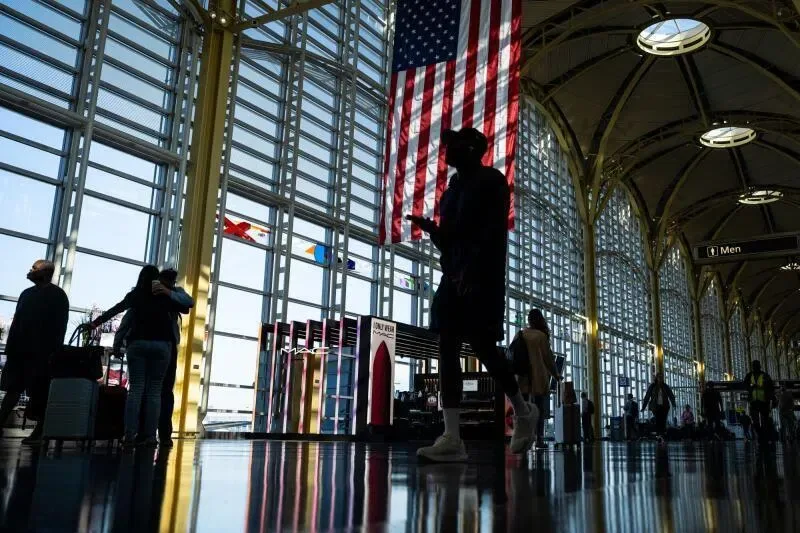
The US Centers for Disease Control and Prevention (CDC) issued an order on May 18, 2026, temporarily suspending entry to the United States of travelers who have been in the Democratic Republic of Congo (DRC), Uganda, or South Sudan within the past 21 days. The restrictions are effective for 30 days and aim to reduce the risk of Ebola virus transmission to the US population under Title 42 public health law [1, 2, 3].
The order exempts US citizens, lawful permanent residents, US military and government personnel, and certain travelers approved by customs or Homeland Security [1]. The CDC noted the incubation period for the Bundibugyo strain of Ebola can be up to 21 days, allowing infected but asymptomatic individuals to travel internationally and evade symptom-based screening measures [1].
The outbreak, primarily centered in eastern DRC’s Ituri Province, with cases reported in Goma and Kinshasa, has caused over 130 deaths across the DRC and neighboring Uganda. More than 390 suspected cases have been identified in the DRC alone, with at least 105 deaths there [3, 4]. The WHO and CDC have declared the outbreak a public health emergency of international concern [1, 3].
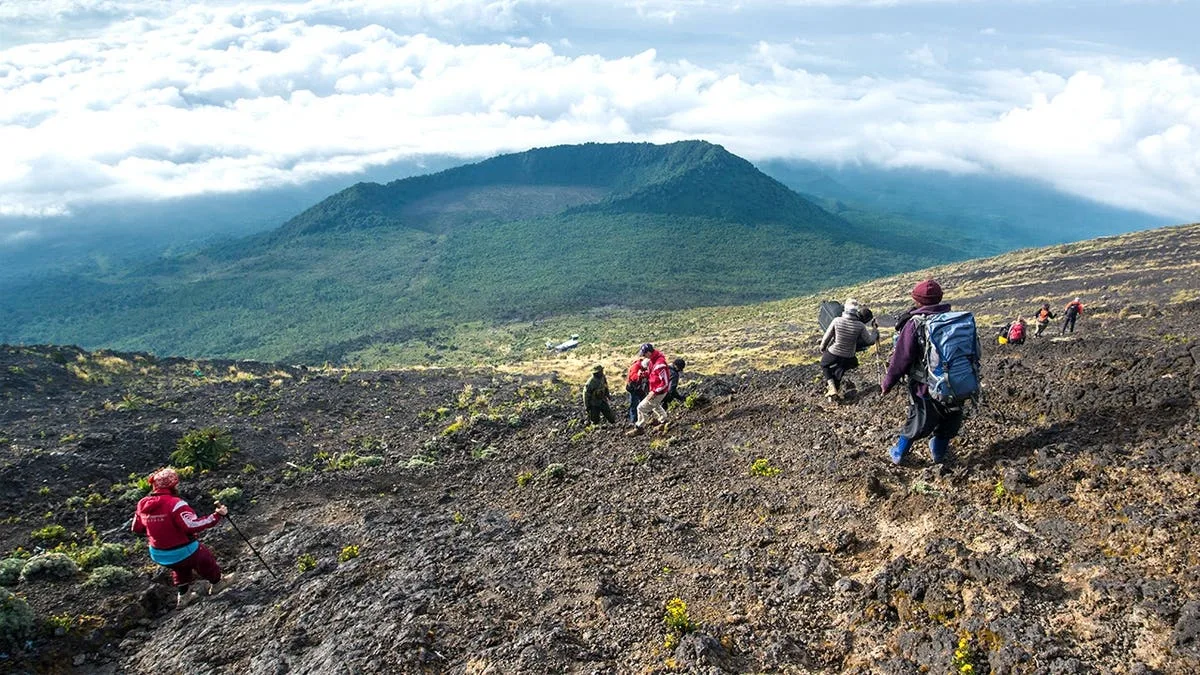
The US Department of State issued a Level 4 travel advisory on May 17, urging Americans to avoid travel to the DRC, Uganda, and South Sudan. For Rwanda, a Level 3 advisory was issued, recommending reconsideration of travel plans [3, 4]. The State Department warned that medical services in affected regions are extremely limited. "Medical services in South Sudan are extremely limited. Adequate medical treatment, as well as access to routine and emergency procedures, is often unavailable," it said. "The local health infrastructure is inadequate. Pharmacies are not well-regulated. Locally available medications may be unsafe," the Department added [3, 4].
Due to security and health infrastructure challenges, the US embassy has very limited ability to offer consular services outside Kinshasa. Travelers were also warned about crime risks, including violent crime and criminals impersonating police [4].
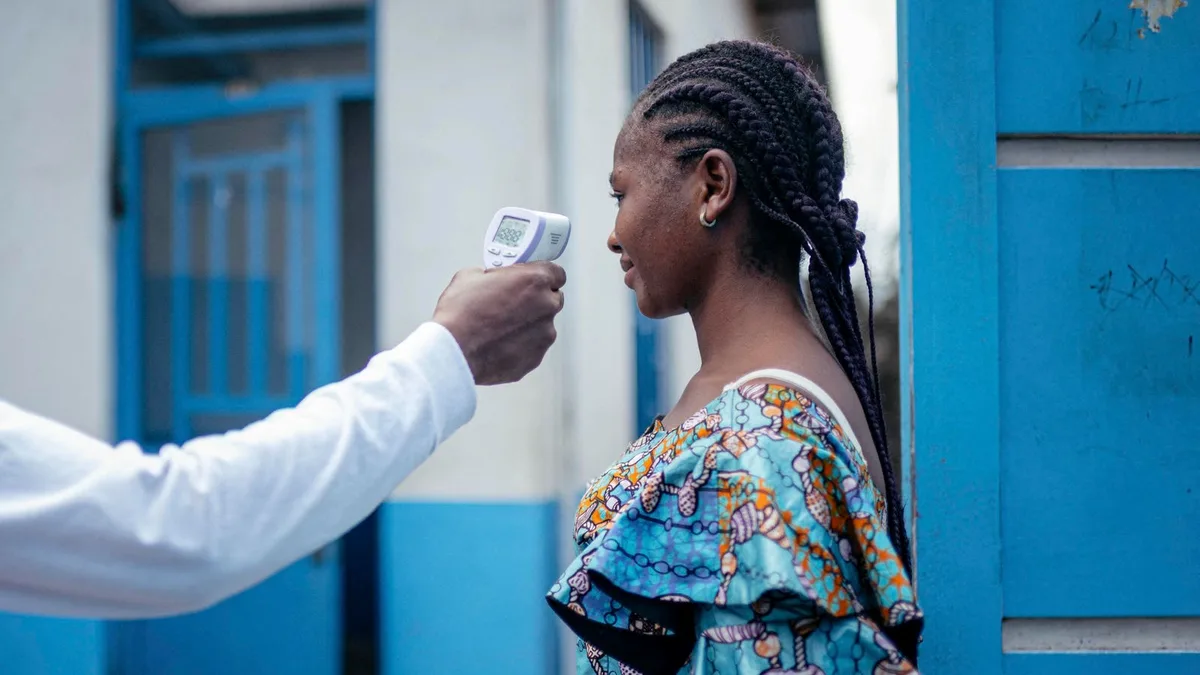
The US is increasing efforts at ports of entry with enhanced screening, contact tracing, laboratory testing, and hospital preparedness to detect and prevent Ebola cases among arrivals from affected countries [1].
A US doctor working in the DRC tested positive for Ebola and was transferred to Germany for treatment. Germany’s Federal Ministry of Health stated, "Arrangements are currently being made to admit and treat the patient in Germany" through a national network of experts for high-risk pathogens [3].
President Donald Trump said on May 18 that while he is concerned about the outbreak in the DRC, he does not believe Ebola has spread to the US [3].
The travel restrictions and public health emergency declaration remain in effect as health agencies continue responding to the outbreak and monitoring risks of international spread.