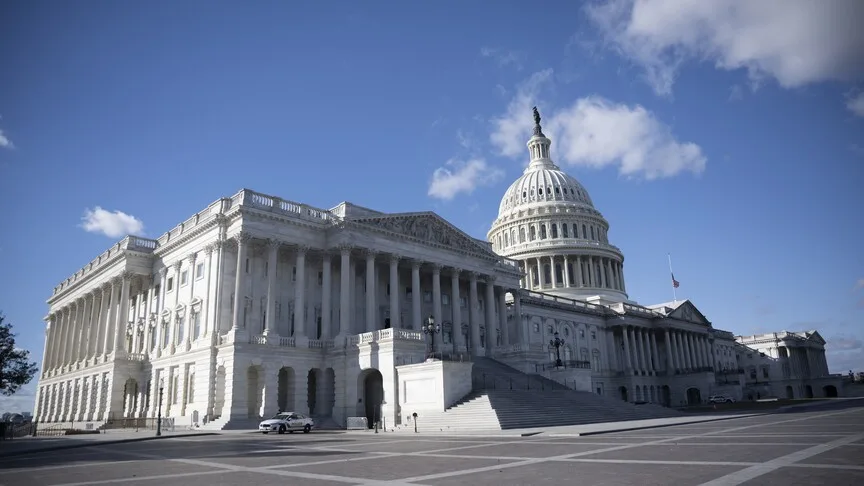
Section 702 of the Foreign Intelligence Surveillance Act, which allows intelligence agencies to collect overseas communications of foreign targets without individual warrants, expired on June 12, 2026, after Congress failed to renew the authority [1, 2]. This law provides over half of the president's daily intelligence briefing and is key to preventing terror threats [1, 2].
Attempts by Senate Republicans to pass a short-term extension until July 2, 2026, were blocked by Senate Democrats on June 11 [2]. House Democrats have flatly refused to support any renewal while Bill Pulte remains acting director of national intelligence. Pulte, a Trump appointee lacking national security experience, has drawn fierce criticism from Democratic leaders. House Minority Leader Hakeem Jeffries said, "Bill Pulte cannot serve a minute as acting director of national intelligence, and until that elevation is abandoned, there's nothing really to talk about" [1]. Senate Minority Leader Chuck Schumer called Pulte "one of the most vicious, incapable, non-fact-based people I've ever seen in the government" [1].
Before Pulte’s appointment, GOP lawmakers were close to bipartisan agreement on a longer Section 702 extension, but opposition to Pulte derailed those efforts [1]. Senator Ron Wyden said bipartisan majorities are rejecting "the surveillance status quo" over concerns about abuses of Americans’ rights, adding, "members of Congress are now standing up and saying no more" [2]. House Speaker Mike Johnson argued the lapse puts national security at risk, calling it "a very dangerous time to allow us to not have that important national security tool" [1].
On June 11, former President Trump announced Jay Clayton as his nominee for the next director of national intelligence [2]. Until Clayton is confirmed, the surveillance authority remains expired, creating legal uncertainty for intelligence and telecommunications firms.
With no extension approved as of June 12, US intelligence agencies face a gap in their ability to collect crucial foreign intelligence communications under Section 702, a tool credited with thwarting terrorist attacks and shaping daily intelligence briefings to the president [1, 2]. Congressional debate over both the surveillance law and leadership at the Office of the Director of National Intelligence is expected to continue in coming weeks.