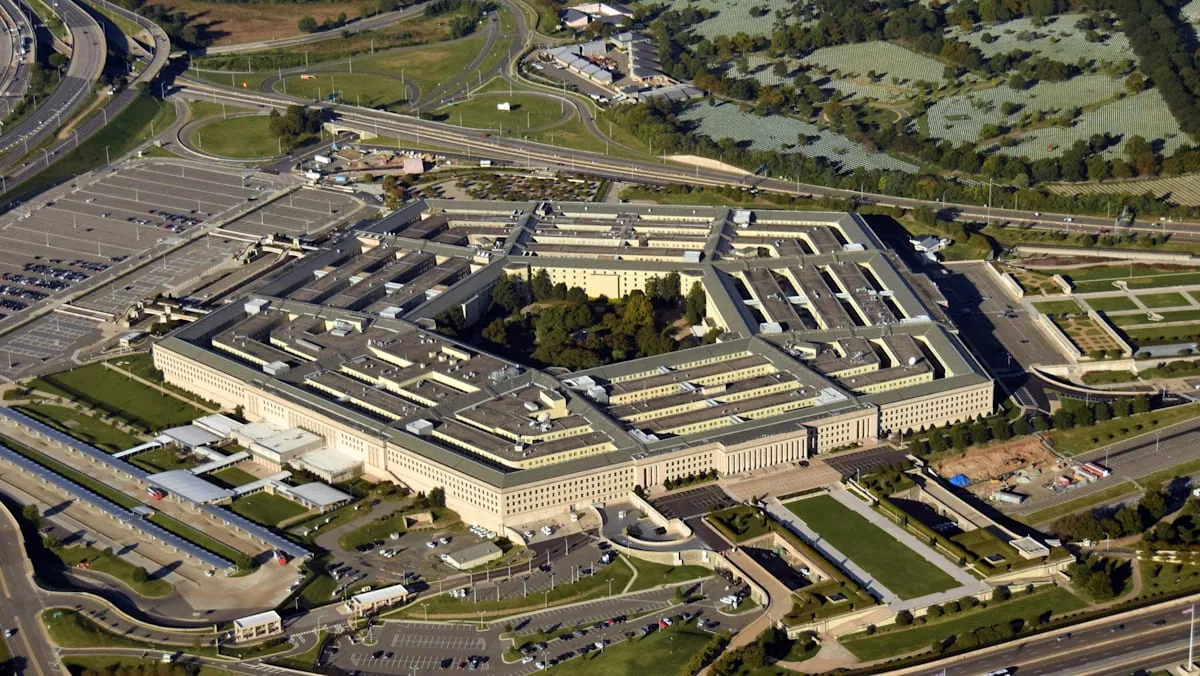
The US Defense Intelligence Agency (DIA) raised Israel’s counterintelligence threat level to "critical" in early June 2026, citing concerns over intensified espionage targeting senior US officials involved in Middle East policy and Iran negotiations [1, 2, 3, 4].
US officials accuse Israeli intelligence of aggressively surveilling three top Trump administration figures: Iran negotiator Steve Witkoff, Pentagon policy chief Elbridge Colby, and Middle East aide Michael P. DiMino IV [1, 2, 3, 4, 5, 6]. One unnamed US official described Israeli activities during Trump’s second term as "unhinged" and "out of control" [1]. Another said Israel increased monitoring to capture US shifts on Iran diplomacy [4].
The elevated threat level may cause US officials to exercise more caution in meetings with Israeli counterparts, but routine intelligence sharing on Iran has not stopped [1, 2, 3]. Past incidents cited include Israeli military intelligence planting bugs at the US DIA headquarters in 2021 and Shin Bet attempts to bug US Secret Service vehicles in 2025 [2, 3, 4].
Despite these allegations, Israel denies spying on US government officials. An Israeli embassy spokesperson called the claims "completely false and politically motivated" [1]. The Pentagon and White House also dismissed the reports; a White House official stated the entire report is "false, coming from people who know nothing about the internal situation" [1].
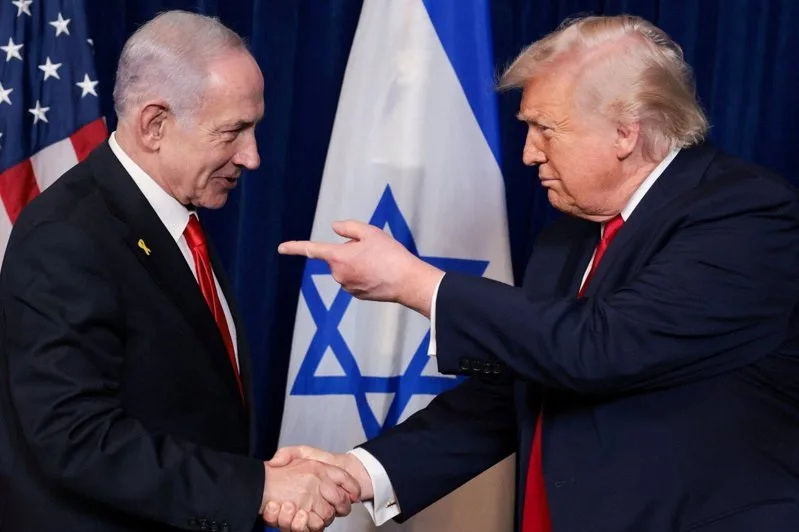
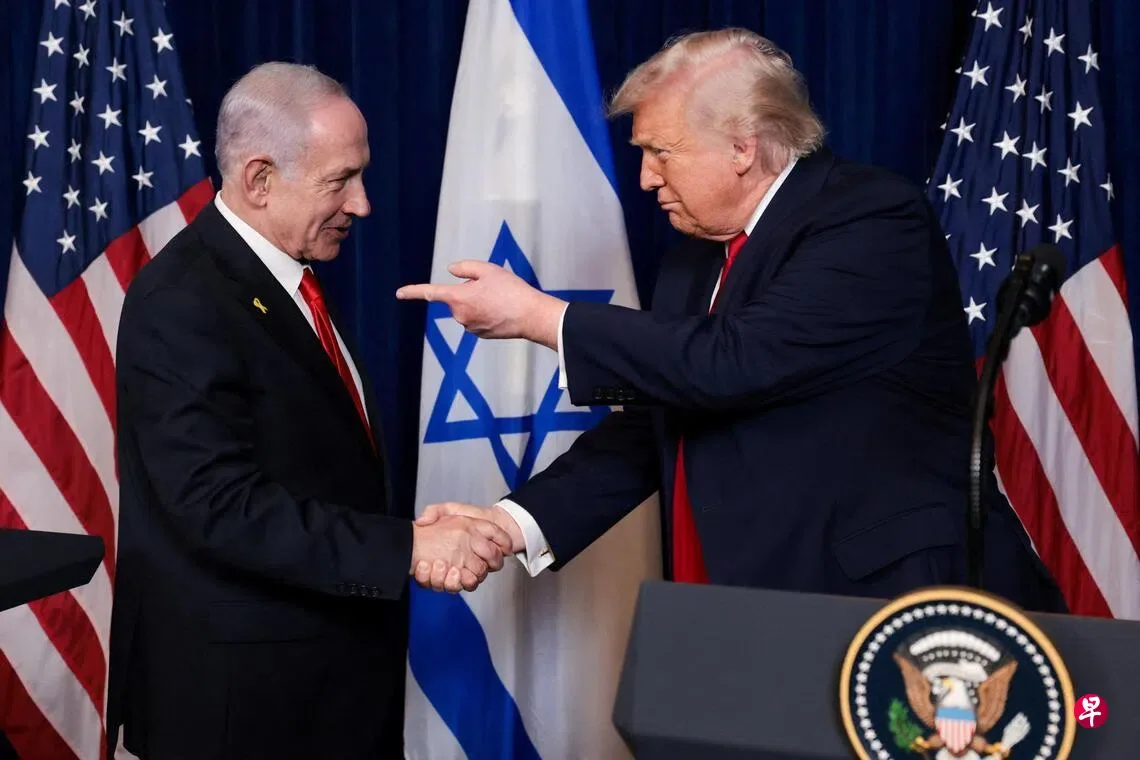
Tensions have risen amid public disputes between Donald Trump and Israeli Prime Minister Benjamin Netanyahu, including Trump reportedly calling Netanyahu "crazy" during a recent phone call [1, 7, 5]. The two countries conducted a joint strike against Iran in February 2026, though differences over Iran policy and war goals have strained relations [2, 3, 7, 5].
Espionage between allies is historically common, including previous cases such as the Jonathan Pollard affair [8, 9, 10], and German experts note US-Israel spying is not unusual [8]. Angela Merkel said, "Spying on friends is never acceptable," capturing the diplomatic sensitivity [8].
The DIA’s upgrade from a high to critical threat level took place in the weeks before June 6, 2026 [1, 2, 3, 4]. Some US officials remain uncertain about the exact triggers prompting the decision [1].
Key developments to watch include ongoing US-Israel military cooperation, especially at US Central Command, which continues despite counterintelligence tensions [2, 3, 4].