US Defense Secretary Pete Hegseth defended President Donald Trump’s proposal for a $1.5 trillion military budget in 2027 during hearings before the House Appropriations Committee on May 16. The Pentagon’s request represents nearly a 50% increase over 2026 defense funding levels, drawing strong scrutiny from lawmakers of both parties [1, 2].
Hegseth testified alongside Gen. Dan Caine, Chairman of the Joint Chiefs of Staff, and Pentagon comptroller Jay Hurst. The budget reflects Trump’s January announcement to boost the military budget by half to build what he called a “Dream Military” [1, 2]. Trump said, “our Military Budget for the year 2027 should not be $1 Trillion Dollars, but rather $1.5 Trillion Dollars” to address national security needs [1].
The 2027 defense budget allocates $750 billion to missile defense systems, $102 billion for aircraft procurement and research, nearly $75 billion for drone technologies, and $65 billion to build Navy warships and support vessels [1].
Congressional lawmakers expressed concern over the rapidly rising costs of the ongoing Iran war, which Pentagon comptroller Hurst updated from $25 billion to nearly $29 billion as of early May. About $24 billion of the war’s cost is tied to replacing munitions and repairing equipment, with additional operational expenses for deployed forces. However, the Pentagon’s estimate excludes costs to repair or rebuild damaged US military sites in the region [1, 2].
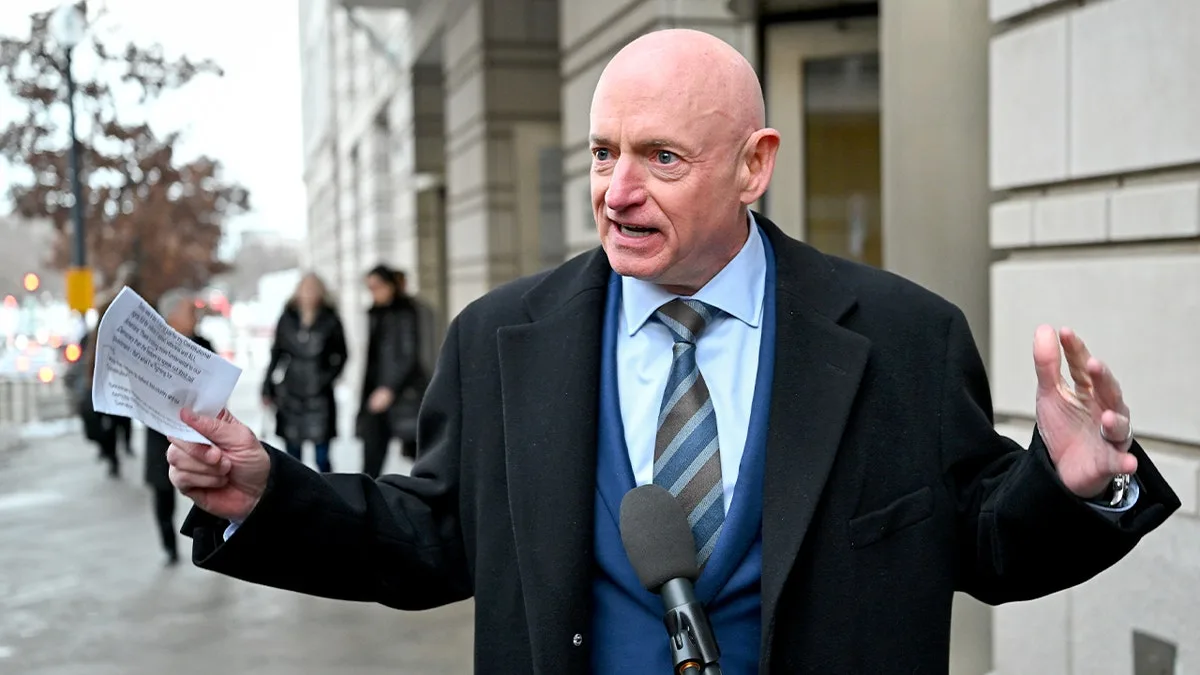
Senator Mark Kelly (D-Ariz.) criticized the administration’s approach, stating, “Because this president got our country into this without a strategic goal, without a plan, without a timeline, and because of that, we've expended a lot of munitions, and that means the American people are less safe” [2]. Hegseth accused Kelly of disclosing classified information and said the Pentagon would review the matter legally [2].
Hegseth addressed concerns about weapons supply strains from the Iran conflict, denying shortages but acknowledging plans to boost weapons production [1, 2]. The hearings come as peace talks with Iran remain stalled; Trump said on May 15 the ceasefire is “on life support” [2].
The House Appropriations Committee will continue reviewing the budget request and the impact of war expenditures on military readiness in coming sessions [2].