The United States denied a visa to Russian Deputy Foreign Minister Alexander Alimov, preventing him from attending a United Nations Security Council meeting held in New York in May 2026 [1, 2, 3].
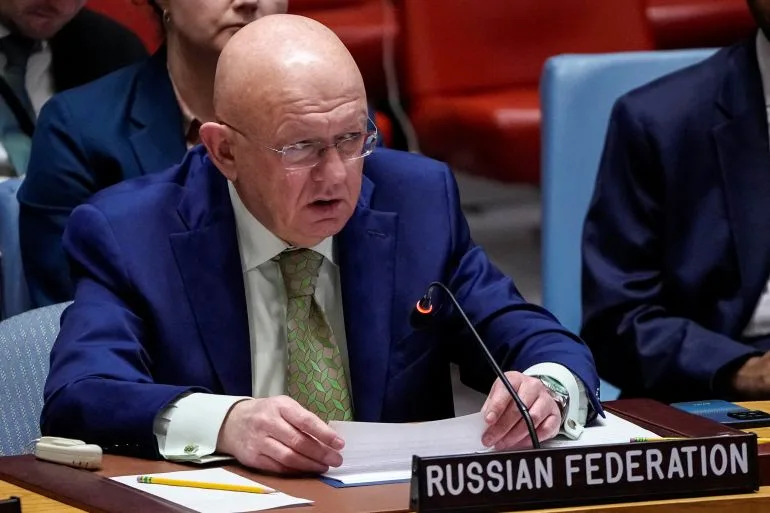
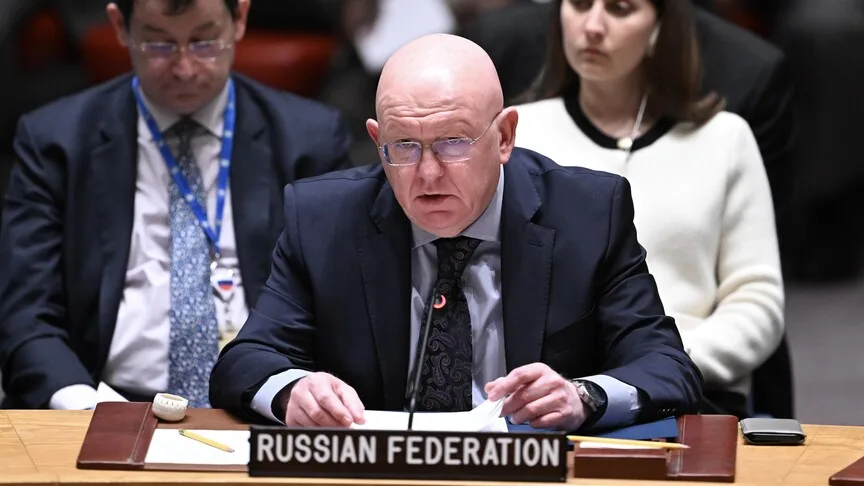
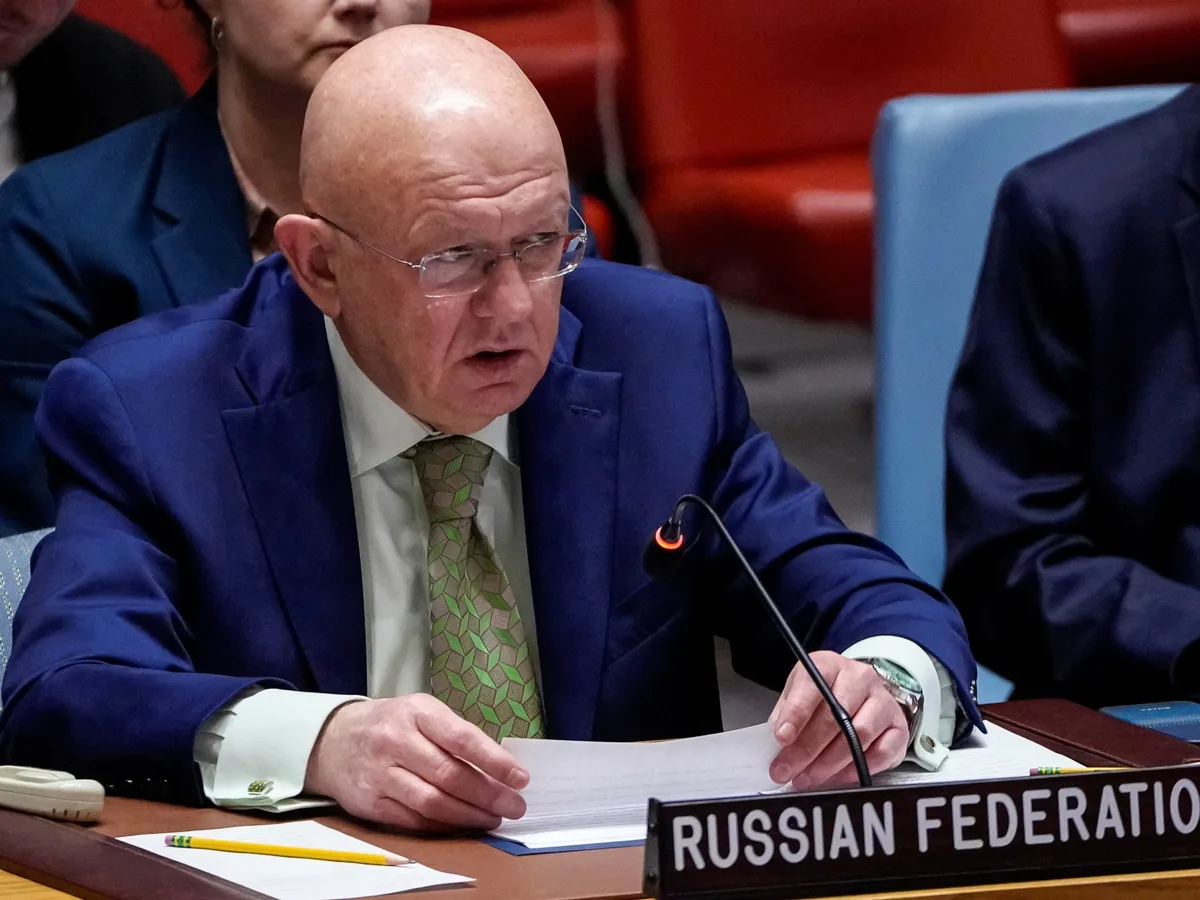
Russia condemned the visa denial as a violation of the 1947 United Nations Headquarters Agreement, which requires the US as host country to issue visas promptly and without charge to foreign diplomats attending UN functions [1, 2, 3]. Russian UN Ambassador Vassily Nebenzia described the refusal as "an egregious instance of disrespect" directed at China, which held the Security Council presidency at the time [1, 2, 3].
"However, despite all of our attempts to persuade the US side to issue a visa to him, that visa was ultimately not granted," Nebenzia told the Security Council, criticizing the US for ignoring its obligations [1]. He added, "We view this not just as a breach by Washington of its obligations under the United Nations Headquarters Agreement ... but we also view this as an egregious instance of disrespect for the Chinese presidency of the Security Council." [1]
The United Nations spokesperson, Farhan Haq, reiterated the expectation that the host country must provide visas to all participants needed for UN activities. "The UN expects the host country to issue visas to all of those who need to participate in the activities of the United Nations at our headquarters here. The host country needs to abide by its obligations under the Host Country Agreement," Haq stated [3].
The visa denial took place amid heightened geopolitical tensions involving Russia, the United States, and China. The US continues to enforce sanctions on Russia despite ongoing diplomatic discussions [1].
On May 26, 2026, Nebenzia formally addressed the Security Council to report the visa denial and its implications for diplomatic access [2, 3]. The dispute marks a further strain on US-Russia relations within the UN framework.
Efforts to resolve the visa issue have not been publicly reported since the Security Council meeting. The next scheduled Security Council sessions will likely test whether access is restored for Russian officials required to participate.