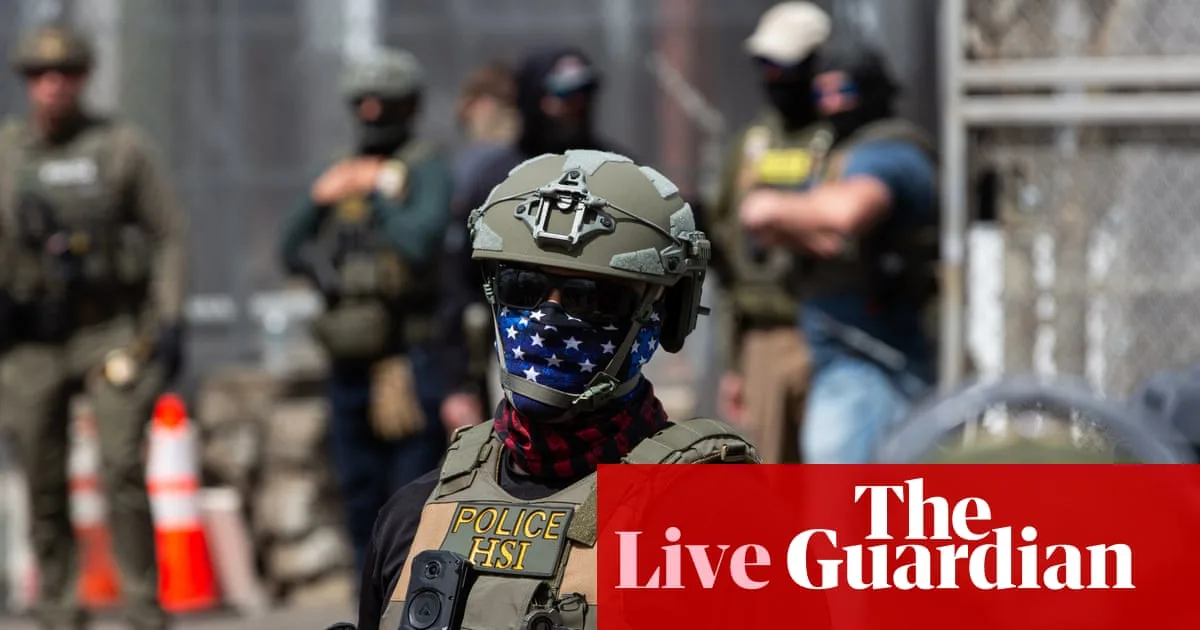
The US Senate voted 53-45 on June 3 to advance an immigration spending bill that allocates about $70 billion to agencies including Immigration and Customs Enforcement (ICE) and Border Patrol [1, 2, 3, 4].
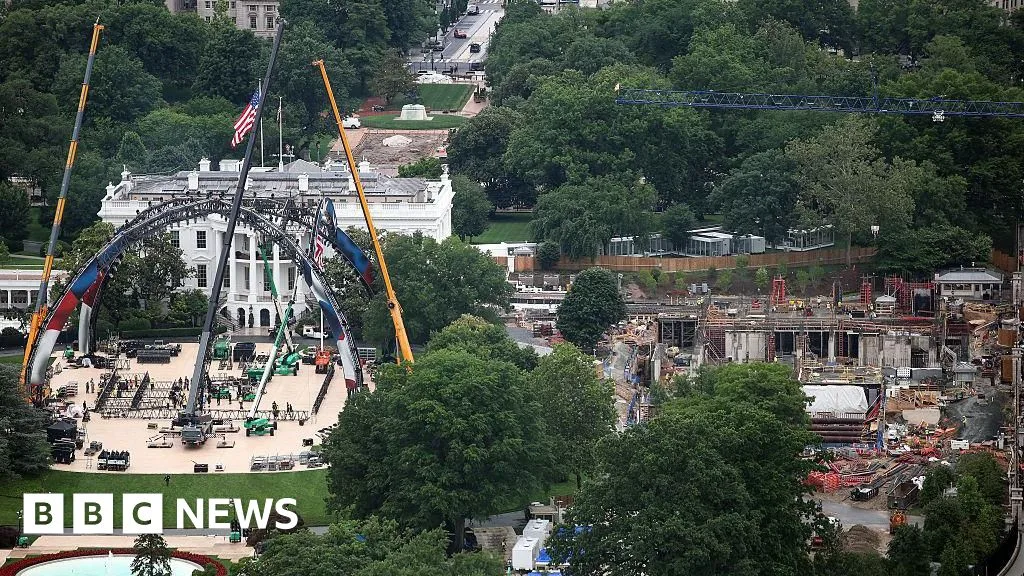
Republican senators removed $1 billion in funding originally intended for security upgrades to the Trump White House ballroom from the bill [1]. The Senate did not include a provision to block the controversial $1.8 billion anti-weaponization fund in the immigration legislation, according to some reports [3].
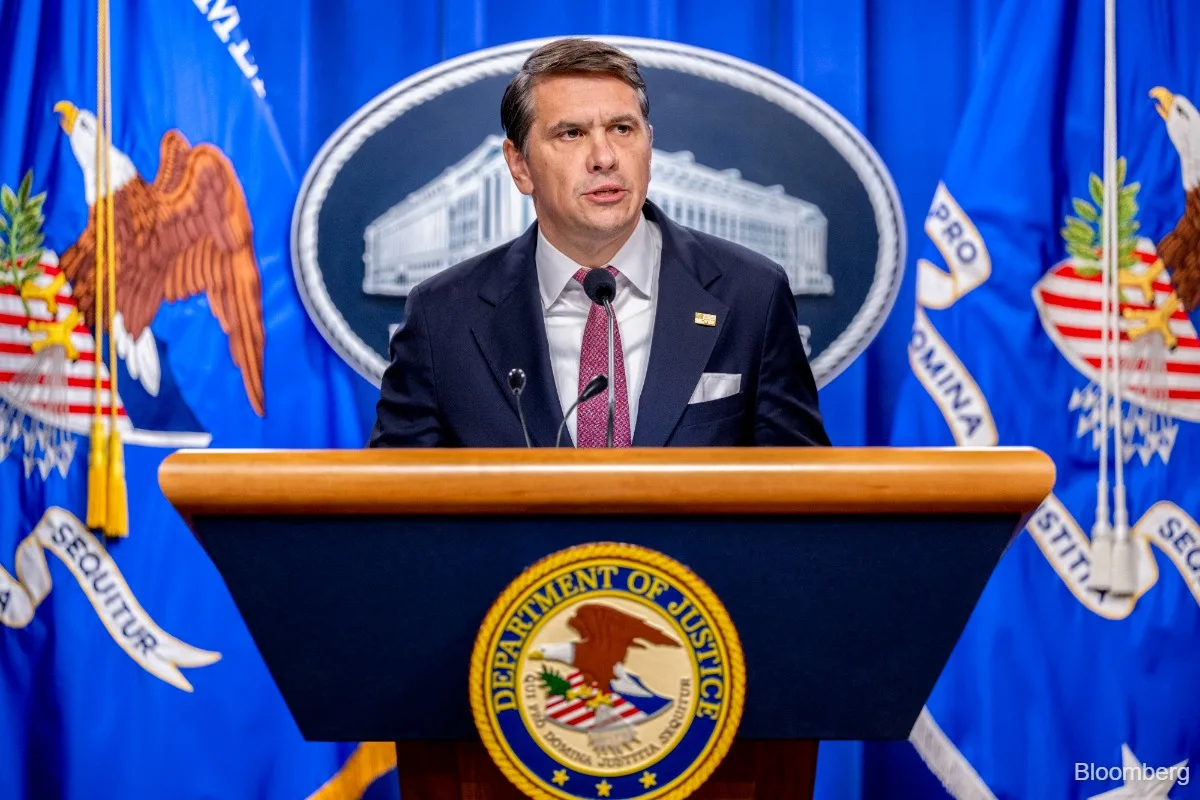
The Trump administration announced plans to abandon the $1.8 billion fund designed to compensate victims of supposed government prosecutorial overreach linked to leaked IRS tax information lawsuits [5, 6, 7, 8]. Acting Attorney General Todd Blanche testified June 2 before Congress that the Department of Justice would not proceed with the fund, saying, "We are not moving forward with the fund. Period. ... I’m telling you we’re dropping it and that should be enough" [6, 7]. Blanche confirmed a ban remains on future IRS audits of Trump, his family, and companies prior to the settlement [6, 7].
Federal Judge Leonie Brinkema issued a temporary injunction on May 29 blocking the government from creating or distributing money from the fund [9, 8]. The fund has faced bipartisan criticism and multiple lawsuits challenging its legality, with concerns raised about compensating participants in the January 6 Capitol attack [5, 9, 10]. Several Republican senators, including Thom Tillis and Bill Cassidy, have opposed it [5, 9, 10, 11].
Former Vice President Mike Pence publicly urged the administration to cancel the fund, calling it "completely unacceptable" to compensate January 6 rioters [12]. Meanwhile, former President Trump has expressed support for the fund despite opposition and DOJ withdrawal plans [1, 3, 4]. Senator Amy Klobuchar said, "I voted until 5 a.m. today to block Trump’s $1.8 billion slush fund. Your tax dollars should not be going to Jan. 6th rioters who went after officers" [2]. Senator John Thune noted Blanche’s testimony made the fund a "settled issue" [3].
The Senate’s immigration bill now moves to a full vote. The Trump administration’s formal withdrawal of the anti-weaponization fund is expected shortly after the recent congressional testimony and court injunctions.