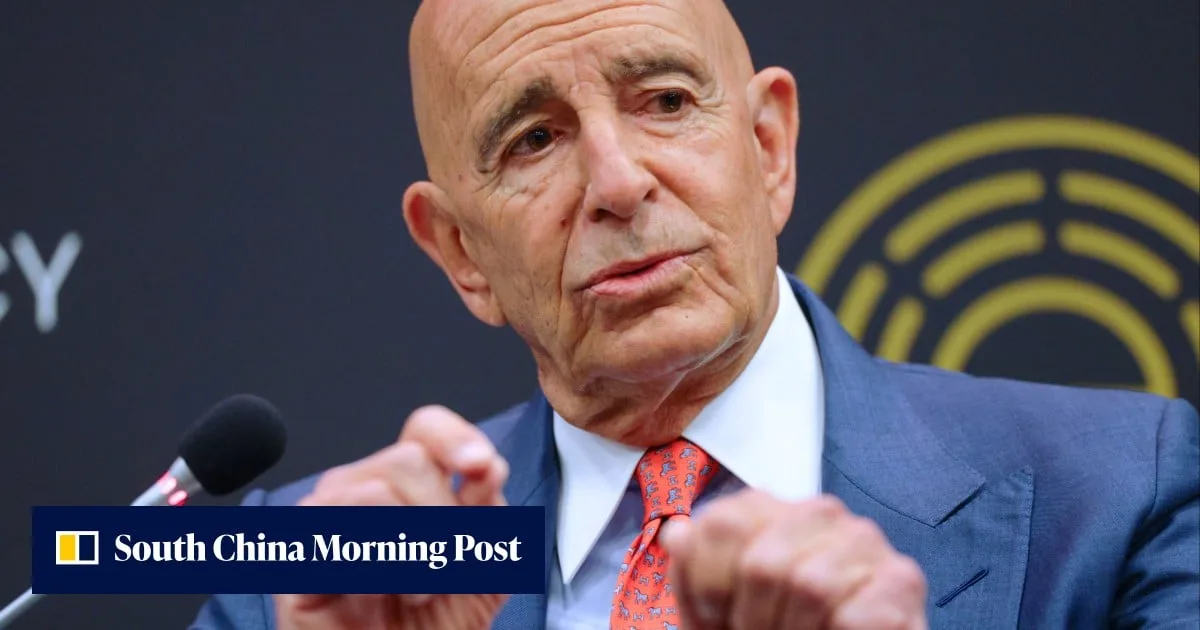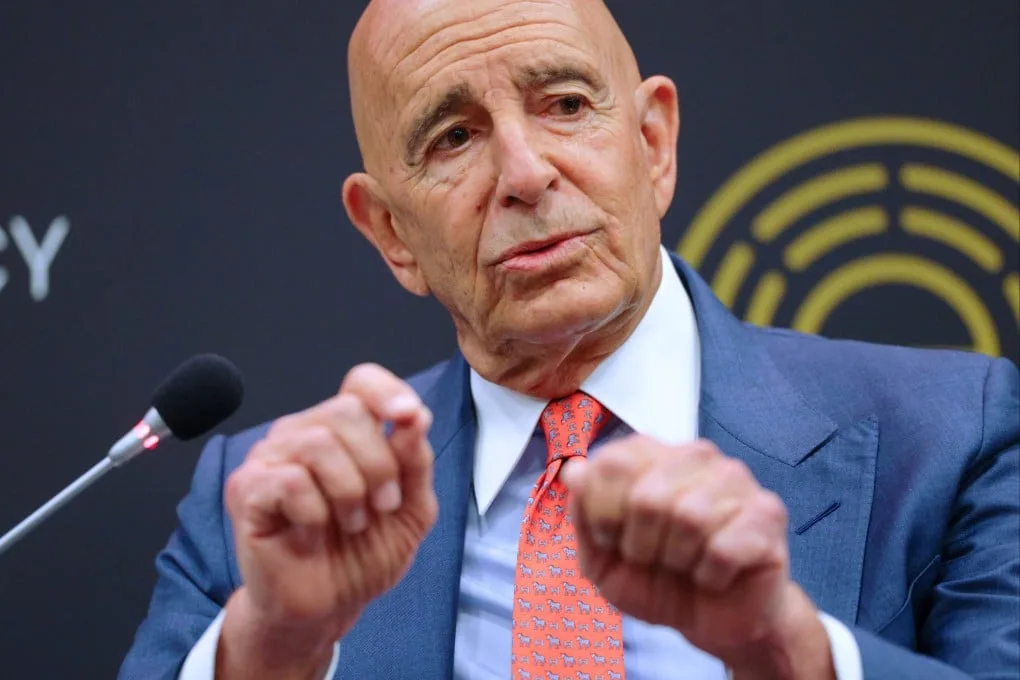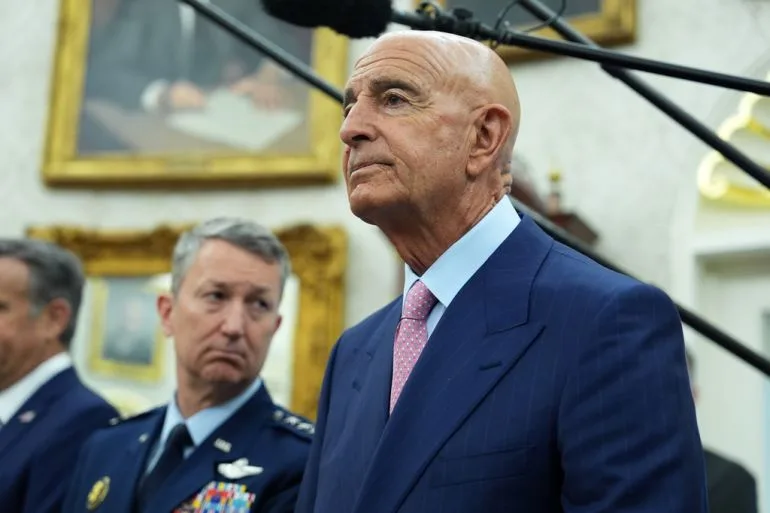
US envoy Tom Barrack walked back his statement that Israel still occupies the Golan Heights in violation of UN resolutions, clarifying he was referring to the territory's historical status rather than current US policy. Barrack made the initial comment during a Friday interview with Lebanese-Australian entrepreneur Mario Nawfal on August 21, 2026 [1, 2, 3].
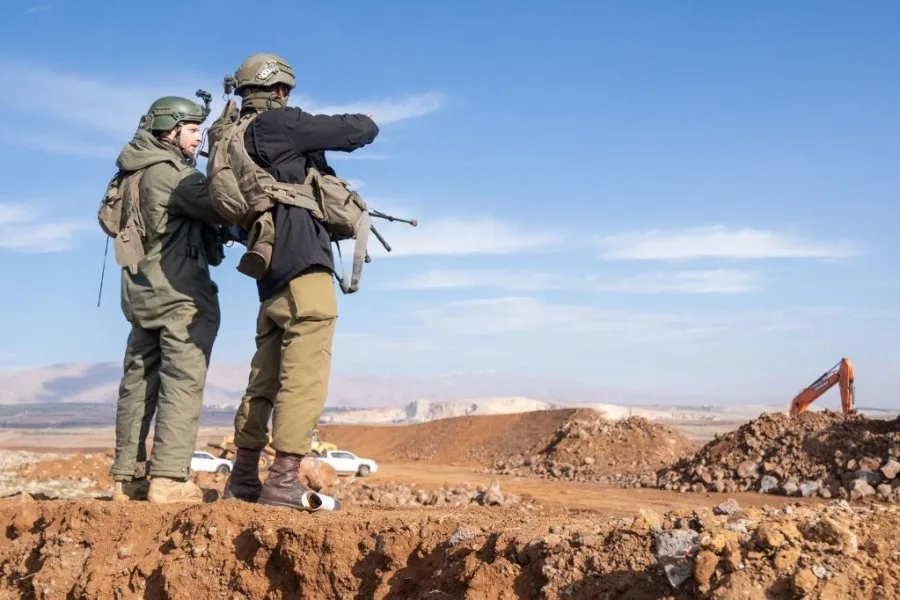
Israel captured the Golan Heights from Syria in the 1967 Six-Day War and annexed the territory in 1981. The annexation is not recognized by the United Nations or most of the international community [1, 2, 3].
In a correction issued on August 23, Barrack emphasized, "United States policy on the Golan was set by President Trump in 2019 and is unchanged," reaffirming US recognition of Israeli sovereignty over the territory [1, 3]. He also said, "I am describing the historical status of the Golan Heights, not endorsing the United Nations’ position" [3].
Barrack had intended to explain the complexity of territorial disputes and the need for negotiated agreements rather than acquisition by force [1, 3]. He previously commented on Israeli concerns over occupation in southern Lebanon and the difficulty of annexing Lebanese territory [2, 3].
His initial remarks drew swift criticism from US political figures. Republican Senator Rick Scott said, "It seems the Ambassador forgot that or ..." while far-right commentator Laura Loomer called for his resignation over a "lack of understanding of US foreign policy" [2].
Barrack's retraction reinforced the status quo that the Trump administration's 2019 recognition of Israel’s sovereignty over the Golan Heights remains the firm US position [1, 2, 3].