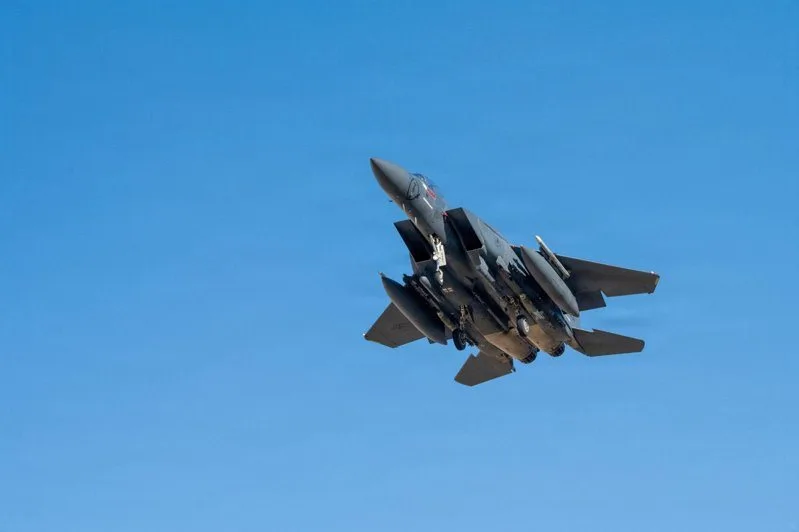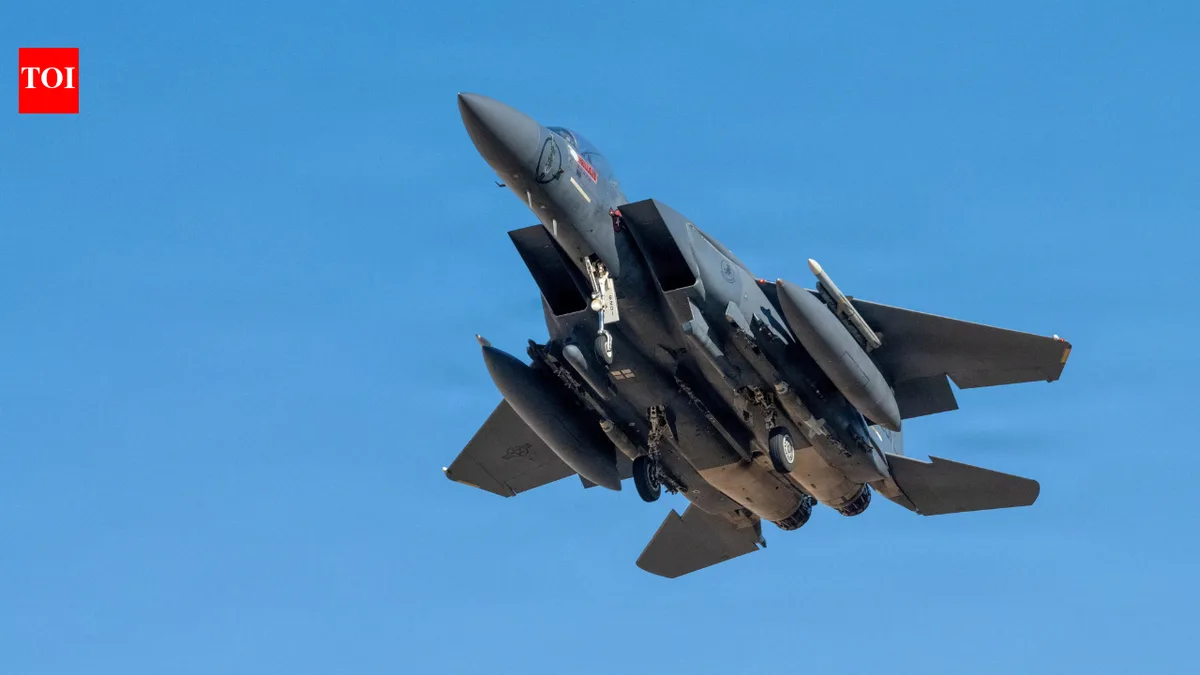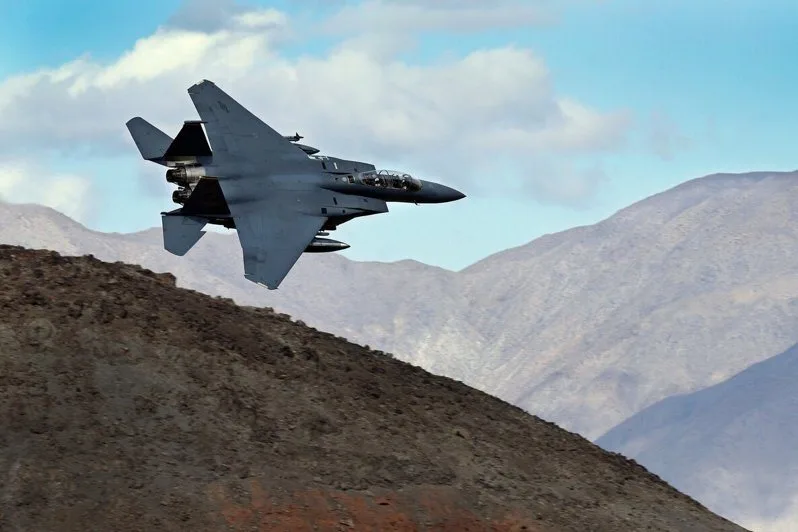
A US Air Force F-15E Strike Eagle fighter jet was shot down in southwestern Iran in April 2026 during ongoing hostilities, marking the first US fighter jet lost to enemy fire in decades [1, 2]. The aircraft was likely brought down by a Chinese-made shoulder-fired infrared-guided missile measuring about 7 feet long and weighing 40 pounds [2, 3]. Military expert Shi Xiaowei noted these missiles use infrared tracking technology effective at ambushing low-flying aircraft [4].
After the jet was hit, both crew members safely ejected. The pilot was rescued within seven hours, while the weapons systems officer survived two days hiding in the Zagros Mountains before being rescued [2, 3, 5, 6]. Retired US Air Force Lt. Gen. David Deptula called the pilot's two shootdowns in one conflict "an extremely unusual coincidence" citing a similar friendly fire incident about 30 days earlier over Kuwait involving the same pilot where three F-15Es were downed by Kuwaiti forces but all crew survived [7, 8, 9].
There are indications China provided Iran a long-range early warning radar capable of detecting stealth aircraft early in the conflict, but it remains unclear if it was employed in this shootdown [1, 10]. US officials have also not confirmed whether the missile in the attack was newly supplied by China or came from older Iranian stockpiles [1, 10]. A US official stated, "It was not significant support. There was no decisive operational impact to it" regarding Chinese assistance [1]. Chinese authorities deny providing weapons to Iran, stressing adherence to export controls and international obligations. A Chinese Embassy spokesperson said, "China always acts prudently and responsibly on the export of military products, and exercises strict control in accordance with China’s laws and regulations on export control and due international obligations. China opposes groundless smear and ill-intentioned association" [5].
The shootdown has added tension to US-China relations amid President Donald Trump's efforts to engage China in ending the Iran conflict. Trump said, "Chairman Xi Jinping assured me that China will not send any weapons to Iran. That’s a good promise. I believe his word, and I thank him for it" [2].
The rescue operation following the shootdown was arduous. The pilot was located and recovered within seven hours, while the weapons systems officer evaded capture for two days in difficult mountainous terrain before rescue [2, 3, 5, 6]. The double loss of the same pilot's jets—first from friendly fire over Kuwait, then enemy fire over Iran—has drawn military attention as highly unusual [7, 8, 9]. US Central Command has not publicly commented on the double shootdown incident [7, 8].
The F-15E shootdown occurred amid active conflict over Iran's southwestern region in April 2026, further complicating military and diplomatic tensions in the region [1, 10, 11, 12].