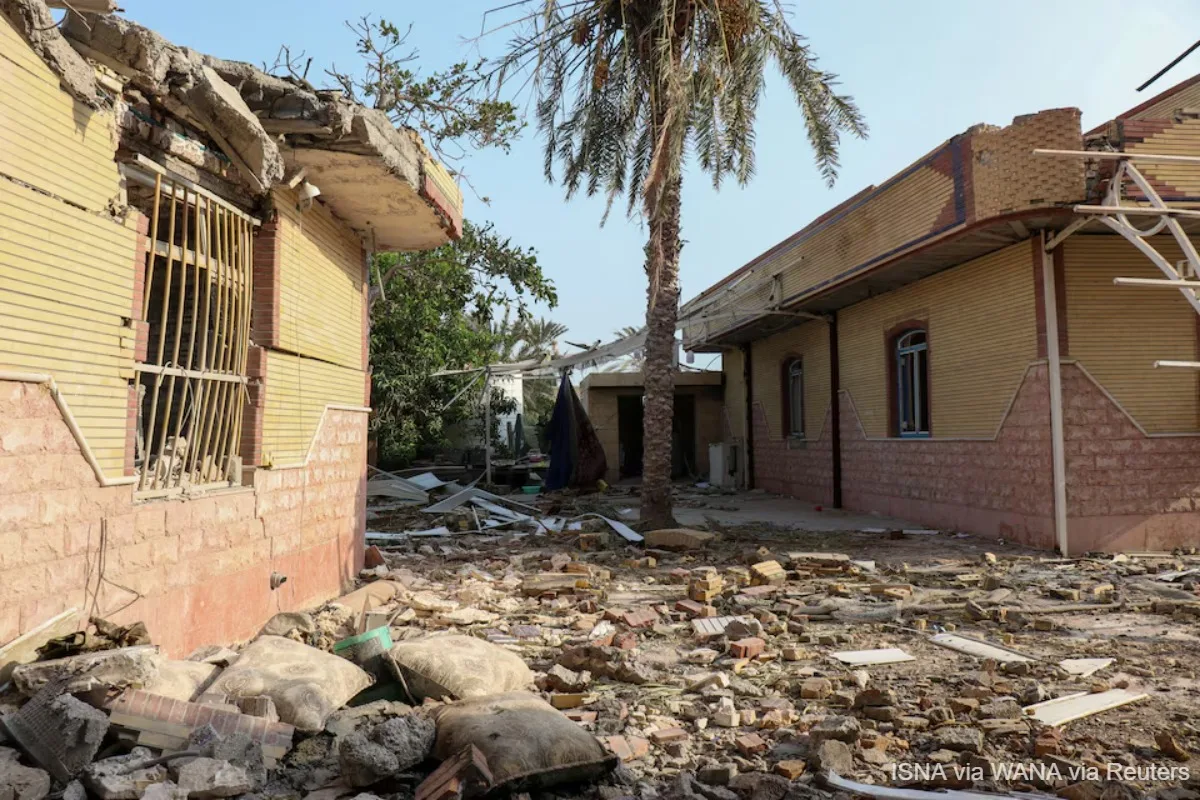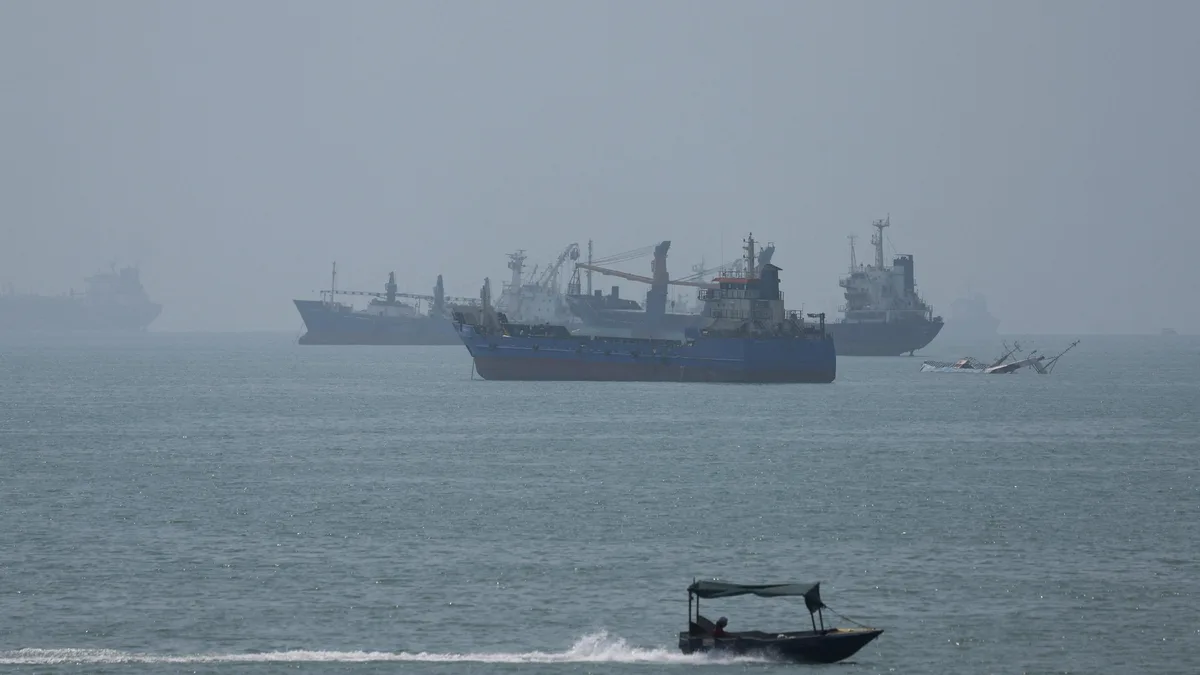
US forces struck two Iranian missile launchers on Larak Island on August 30, 2026, marking the first known American attack on Iran since late July, the Pentagon said. The strikes targeted Revolutionary Guard minelaying forces preparing to deploy sea mines in the Strait of Hormuz, posing an imminent threat to maritime security, US Central Command spokesman Commander Tim Hawkins said, noting "IRGC forces were observed preparing to launch rockets with sea mines into Strait of Hormuz." [1, 2]
Iran’s Islamic Revolutionary Guard Corps (IRGC) reported several soldiers and civilians killed or wounded in the strike and vowed retaliation. IRGC spokesman Hossein Mohebbi called the US attack a "strategic miscalculation" and warned the "enemy will pay the consequences in both the economic and military fields." [1]
In response, Iran launched ballistic missile attacks on US military bases in Jordan on August 30, prompting Jordan to intercept 10 out of 13 incoming missiles. Bahrain also intercepted Iranian drone attacks on its territory. [2, 3, 4]
The conflict between the US, Israel, and Iran has intensified since late February 2026, with reciprocal strikes on Iranian targets, US bases, and allied Gulf states. [1]
Further US strikes occurred on September 1 near the Strait of Hormuz and at an airport in Iran’s southern Kerman province. Iranian state media reported civilian casualties at a wedding struck by US munitions, citing at least five dead and dozens wounded. Among the dead was a 22-year-old woman who later succumbed to injuries. [5, 3, 6]
US Vice President JD Vance said the US is investigating the wedding incident, saying, "If we do make mistakes, again, this is a big difference between us and Iran, when our military makes mistakes, they learn from them to try to get better." Weapons experts indicate the damage likely resulted from a direct US munition, but US Central Command denies deliberately targeting civilians and questions the reports. [5, 6]
Iranian military personnel deaths from US strikes this week rose to 13, including members of the regular military, paramilitary Basij, and IRGC Aerospace Force. Since late February, 18 US service members have been killed in the conflict. [7]
US President Donald Trump warned that any Iranian retaliation for the strikes will be met with "a much harder and higher level" response. [5] Meanwhile, US Treasury Secretary Scott Bessent announced plans to impose weekly new secondary sanctions targeting Iranian financial institutions. "We're starting with the banks, and we're telling the banks it's not okay to have Iranian money and to aid the regime," he said. [2]
The sharp escalation continued on September 2, with the largest exchange of fire since July. US strikes targeted IRGC air defenses, while Iranian missile and drone attacks hit US bases across Gulf states. Jordan and Bahrain continued to intercept Iranian missiles and drones. [3, 4, 8]
The next developments will hinge on the US investigation of civilian casualties and Iran’s threats of further retaliation amid ongoing tit-for-tat strikes in the Gulf region.