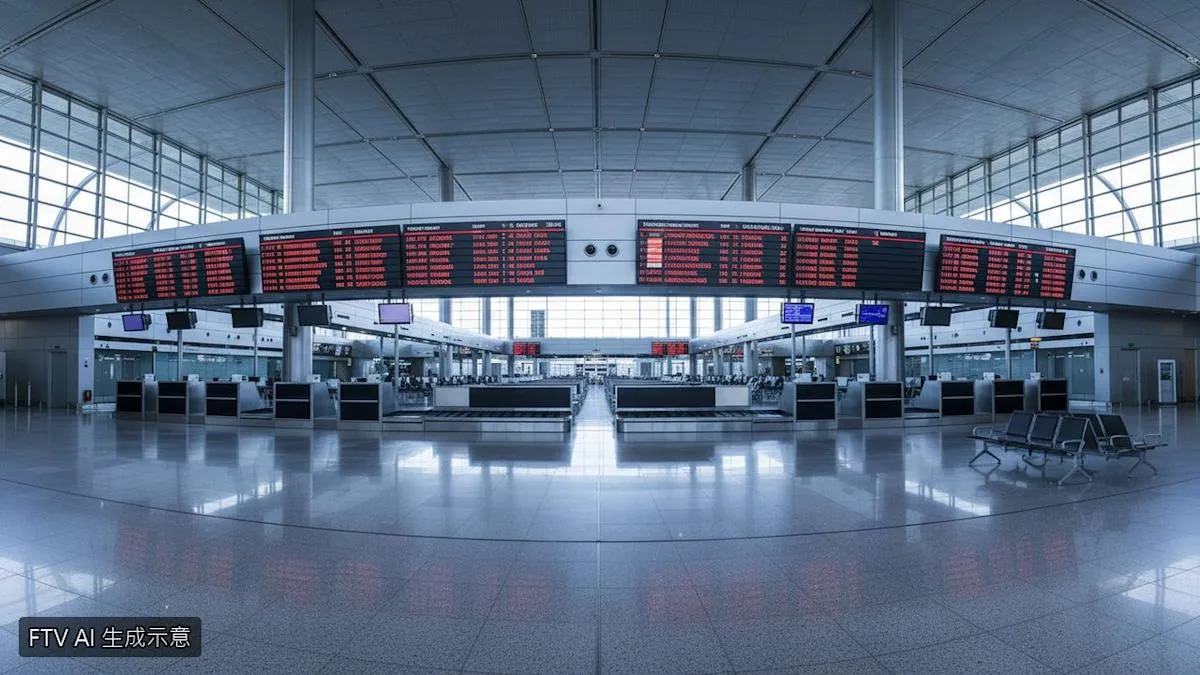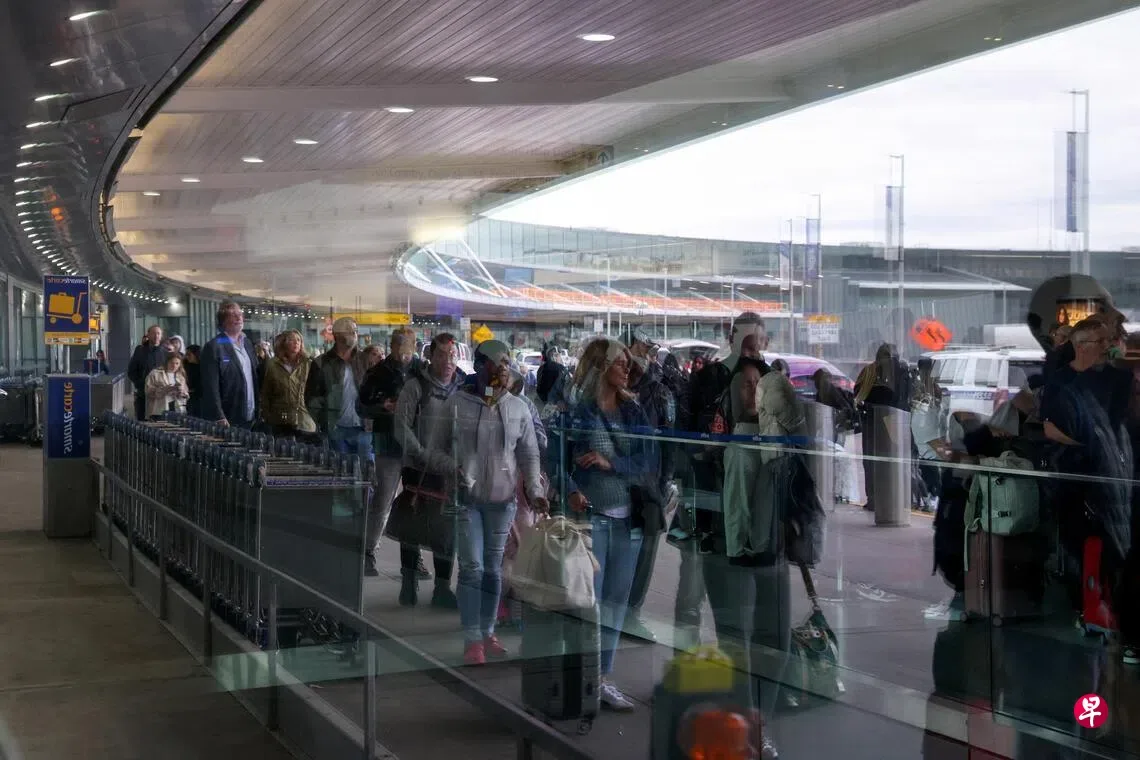
US Homeland Security Secretary Markwayne Mullin has privately warned that authorities may stop processing international travelers and cargo at major US airports located in sanctuary cities that refuse to cooperate with the Trump administration’s immigration enforcement policies. The sanctuary cities named include Denver, Philadelphia, Chicago, Los Angeles, New York City, Newark, Seattle, and San Francisco [1, 2, 3, 4].
Mullin first issued the threat publicly in April amid a dispute over Department of Homeland Security funding. He reiterated the warning in May in private discussions with travel industry leaders [1, 2, 3, 4]. Officials expect any halt to customs and immigration processing to begin sometime after the FIFA World Cup hosted in the US in July 2026 [1, 2, 4].
Airlines for America cautioned that reducing customs staffing at major airports would have a devastating impact on the airline and tourism industries, strongly disrupting carriers, travelers, and the flow of international cargo [1, 2, 4]. The US Travel Association called on governments at all levels to implement policies supporting the free and efficient movement of legitimate travelers, both domestic and international [1, 2].
Transportation Secretary Sean Duffy, testifying before the US House on May 21, said he was not familiar with Mullin’s comments and emphasized that air travel should not be shut down in states that disagree politically with the federal government. “We shouldn’t shut down air travel in a state that doesn’t agree with our politics,” Duffy said [1, 2, 4].
New York City airports handled more than 50 million international travelers in 2025, underscoring the scale of disruption that could occur if processing halts are implemented [1, 2, 4]. Experts warn such a suspension could disrupt the global aviation network and harm the US economy [3, 4].
The situation is developing as the country prepares to host the FIFA World Cup in July 2026. Officials and industry stakeholders are monitoring potential impacts closely after the tournament ends [1, 2, 4].