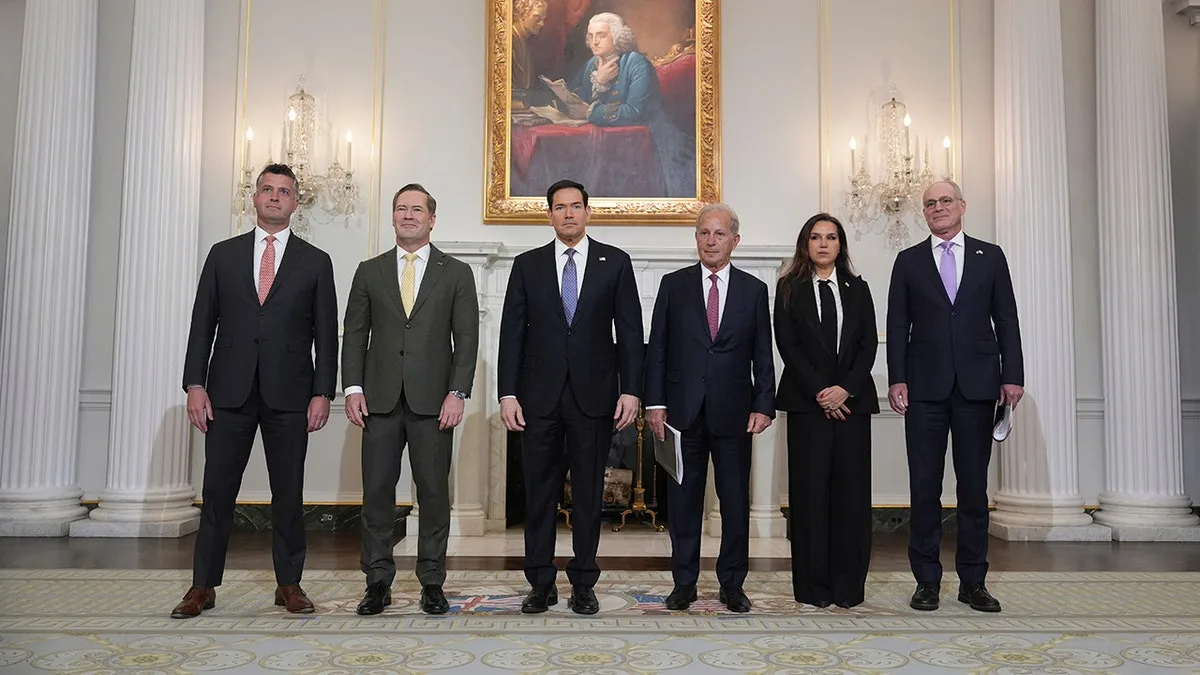
The Pentagon hosted Israeli and Lebanese military delegations on May 29, 2026, to start a security track supporting peace negotiations between Israel and Lebanon [1, 2]. The talks focused on military-to-military coordination to build frameworks for regional security, ceasefire enforcement, and border stability along the Israel-Lebanon border [1, 2].
The United States expressed its support for Lebanon’s sovereignty free of armed non-state actors and welcomed both militaries’ commitment to negotiations. A US Defense Department statement said, "The Department of War deeply values its strategic partnerships with both the Israel Defense Forces and the Lebanese Armed Forces" and called the talks "essential steps toward realizing President Trump's vision for a lasting peace in the Middle East" [1].
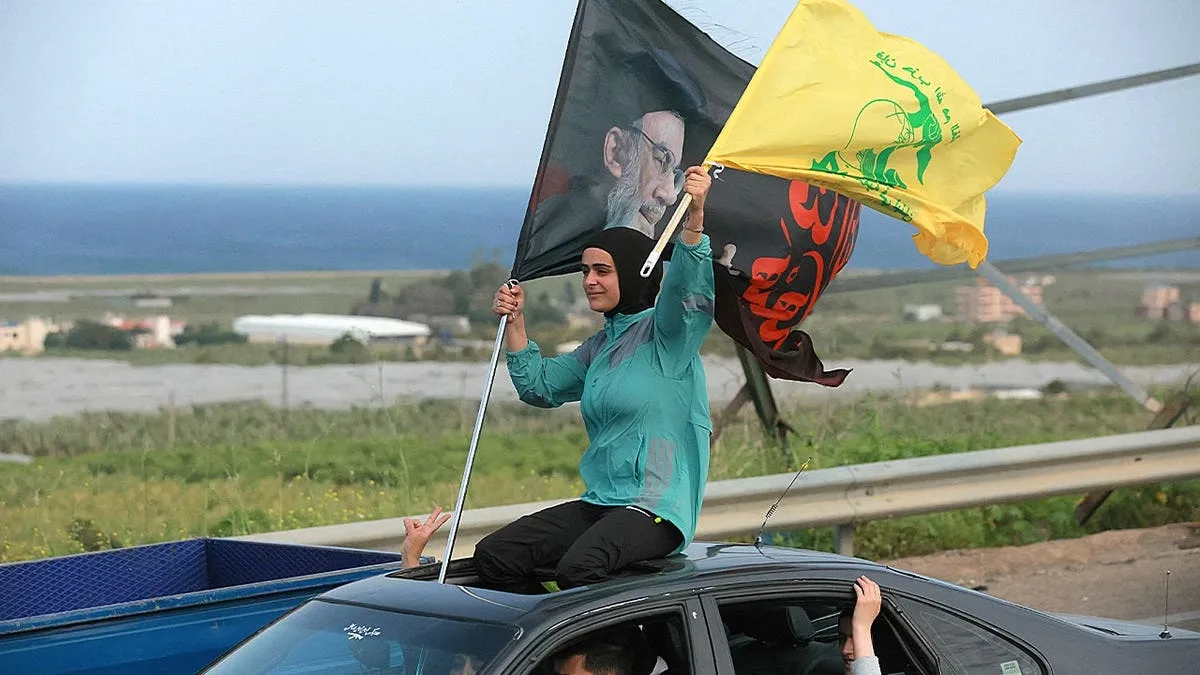
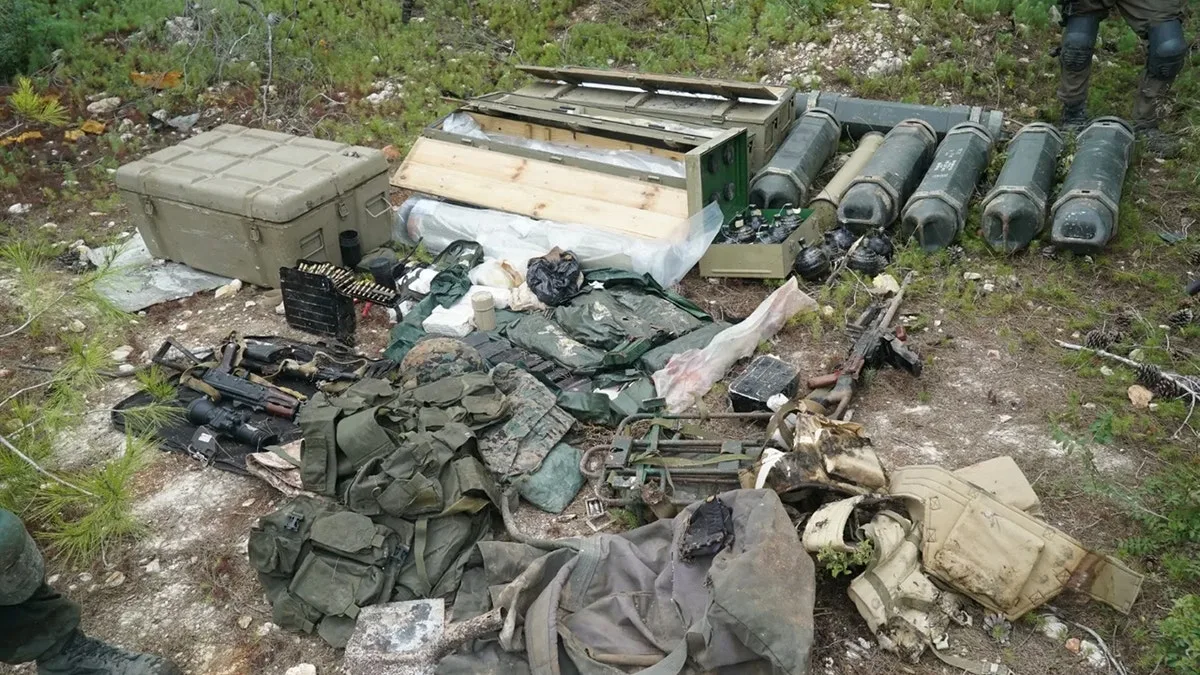
Lebanese Armed Forces commander Gen. Rodolphe Haykal represented Lebanon [2]. The discussions addressed Israeli withdrawal from parts of southern Lebanon and the role of the Lebanese Armed Forces in containing Hezbollah, which remains a key challenge. Hezbollah, backed by Iran and designated a foreign terrorist organization by the US, retains drone and rocket capabilities, keeping regional tensions high [2].
A ceasefire between Israel and Lebanon had been reached in mid-April 2026 amid a broader regional conflict tied to the US-Iran war. On May 15, that ceasefire was extended for 45 days [2]. Israeli forces continue to operate in parts of southern Lebanon, complicating stability efforts [2].
Ahmed Sharawi of the Foundation for Defense of Democracies noted this was "the first meeting between representatives of the militaries since the start of the negotiation process between Lebanon and Israel". He said, "What we should expect is talks regarding de-confliction and what the expectations are for the LAF in terms of the broader disarmament plan against Hezbollah’s weapons." He added that "the biggest obstacle here is that the Lebanese state is yet to present a feasible plan to disarm Hezbollah" [2].
The military discussions aim to directly inform the political track led by the US State Department, which is scheduled to reconvene next week [1]. A State Department official said, "As we have continuously stated, the only path to lasting peace is through direct negotiations between the two sovereign governments" [2].