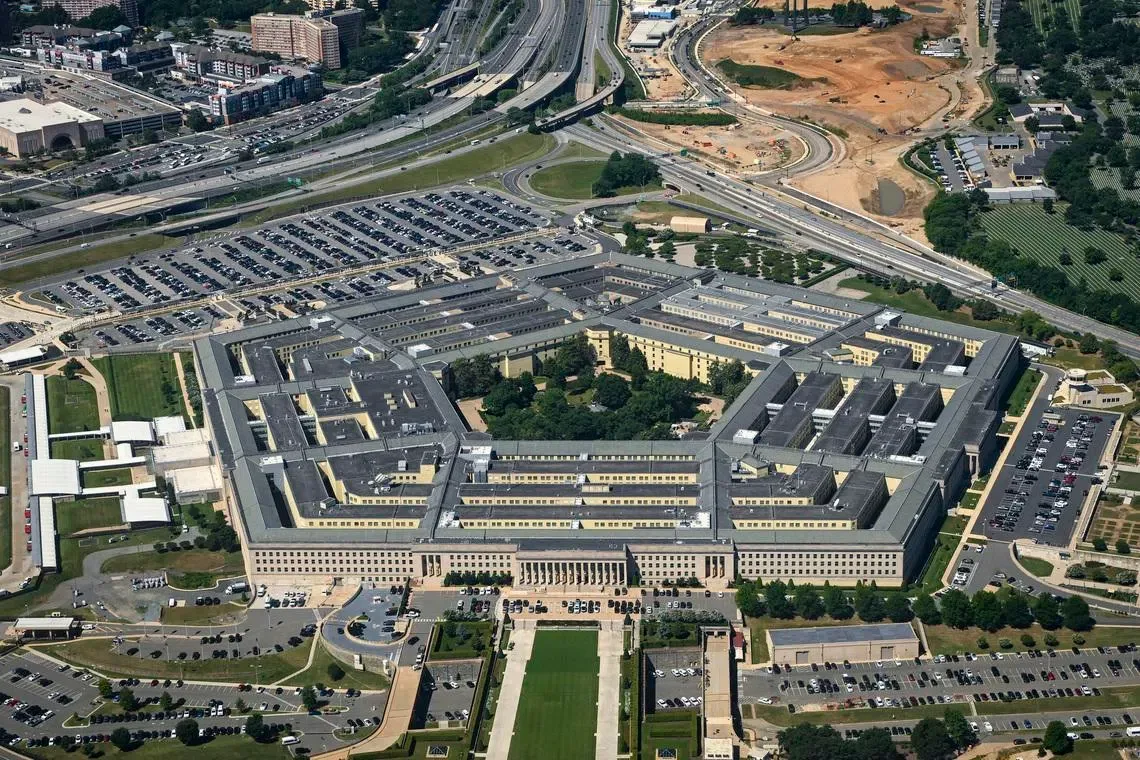
The US House of Representatives approved a $95 billion budget framework on July 22, 2026, primarily to fund Pentagon operations related to the war against Iran [1, 2, 3]. The measure passed narrowly with a 216 to 214 vote, largely along party lines but with some Republican dissenters [1, 2, 4, 3].
Of the $95 billion, $73 billion is allocated to armed forces and intelligence agencies for the Iran conflict, $12 billion goes to aid farmers affected by the trade war, and $10 billion supports election-related programs promoting former President Trump’s voting restrictions [1, 2]. House Speaker Mike Johnson said the bill “puts Congressional Republicans on a path to enacting two fundamentally simple and crucial goals: securing American elections and strengthening our homeland” [1].
Democratic Representative Rosa DeLauro opposed the package, stating, “The American people do not want more open-ended, aimless, expensive, and deadly wars in the Middle East. They want the price of basic necessities like food, housing, healthcare, childcare, and gasoline to go down” [1].
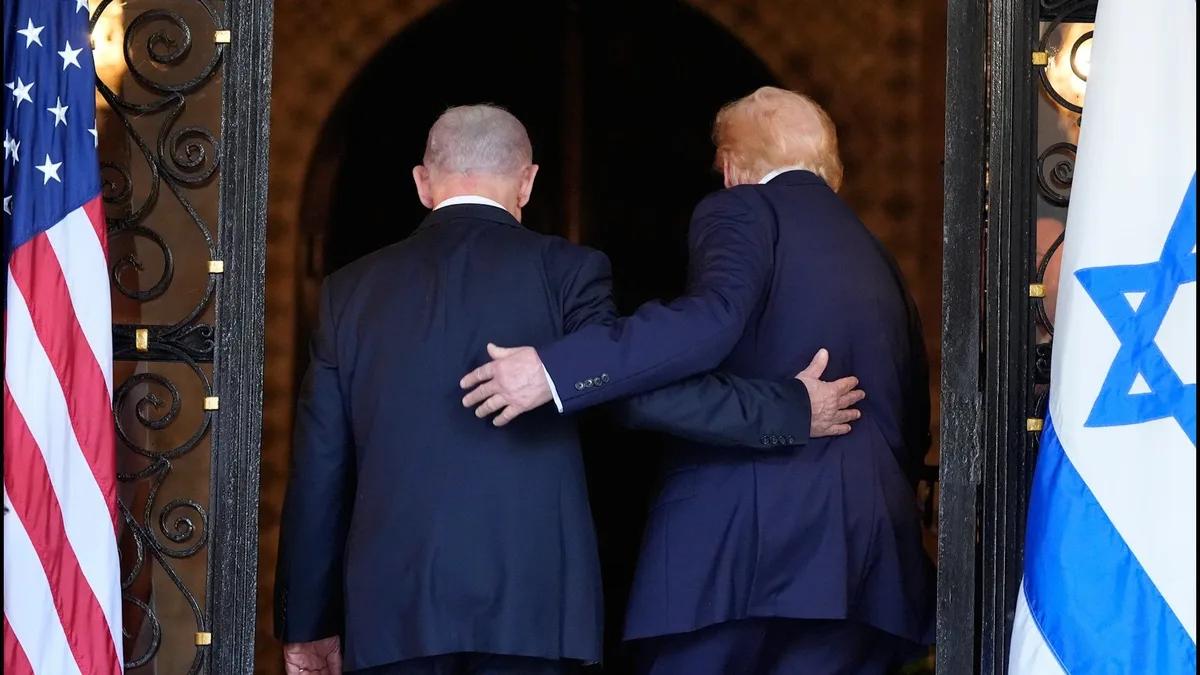
In a related development on the same day, the House passed the 2027 National Defense Authorization Act (NDAA) with a total budget of $1.15 trillion. This bill expands US military cooperation with Israel, including missile defense, drones, and artificial intelligence programs [4, 5]. Republican Representative Thomas Massie criticized this expansion, calling it “a betrayal of our sovereignty” and hoping it would fail in the Senate [4]. Senate Democrats also expressed opposition due to the NDAA’s high cost and growing US-Israel military ties amid calls to end aid to Israel. Senate Democratic Minority Leader Chuck Schumer called the NDAA a “permission slip” for the government’s war on Iran [4].
The NDAA further provides aid for Ukraine and includes the SAVE America Act, imposing new voting restrictions favored by Trump but opposed by Democrats [4].
The close House votes and contrasting views set the stage for continued debate as both the $95 billion budget plan and $1.15 trillion NDAA advance to the Senate, where opposition on cost and policy is expected to influence further amendments and approval.