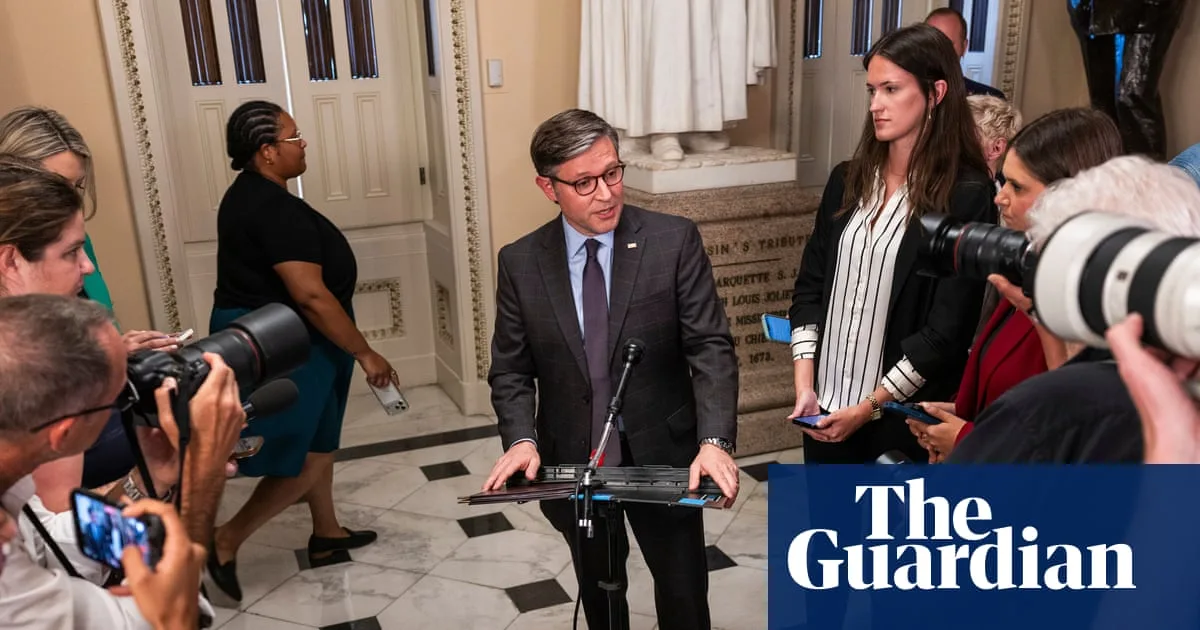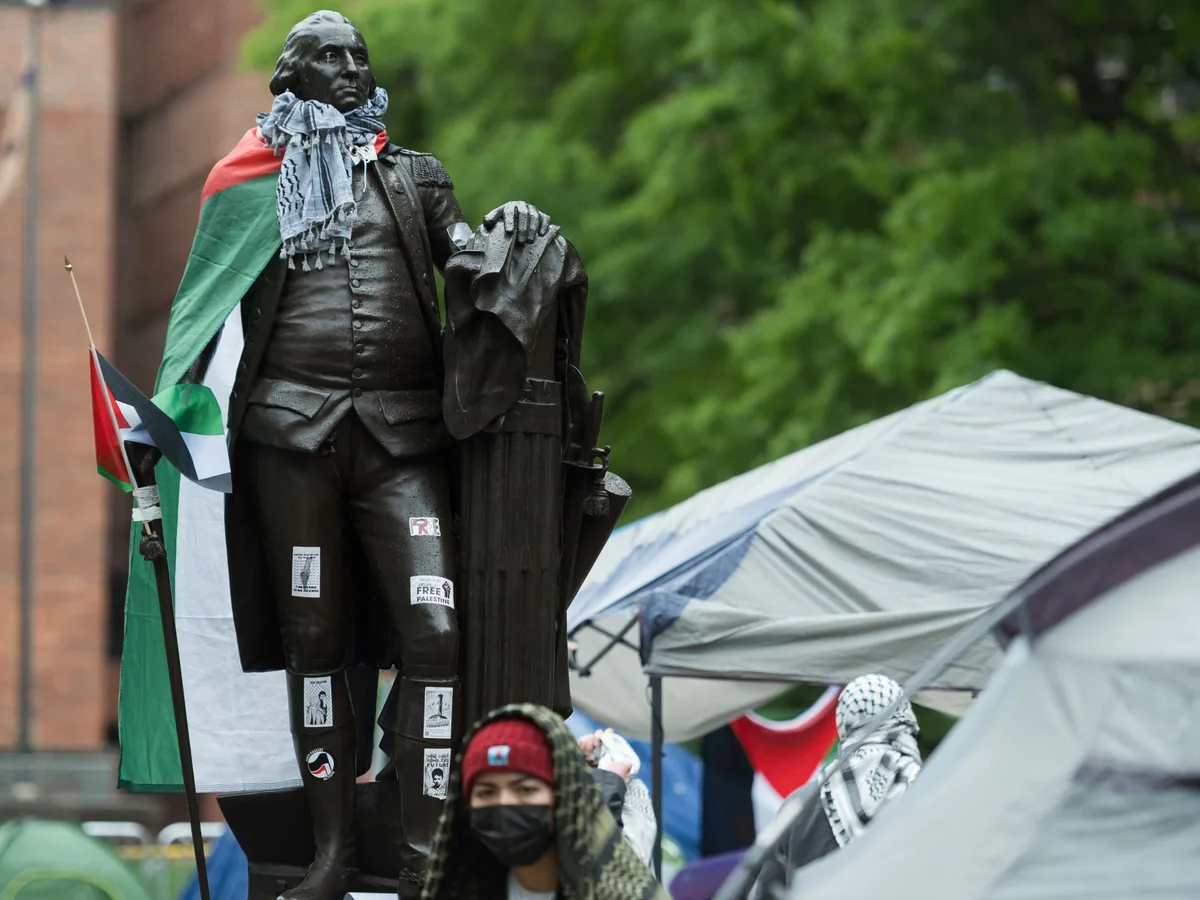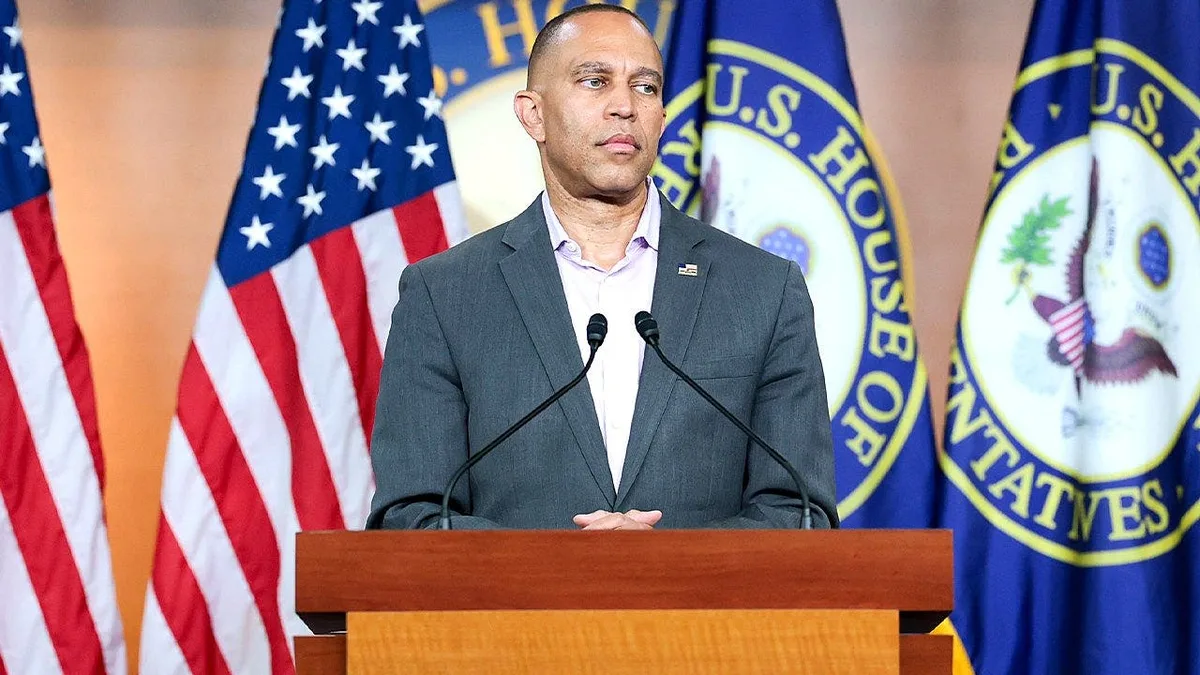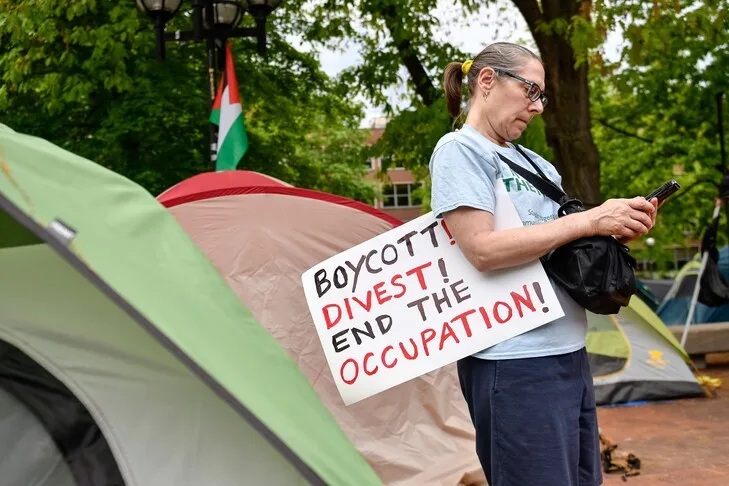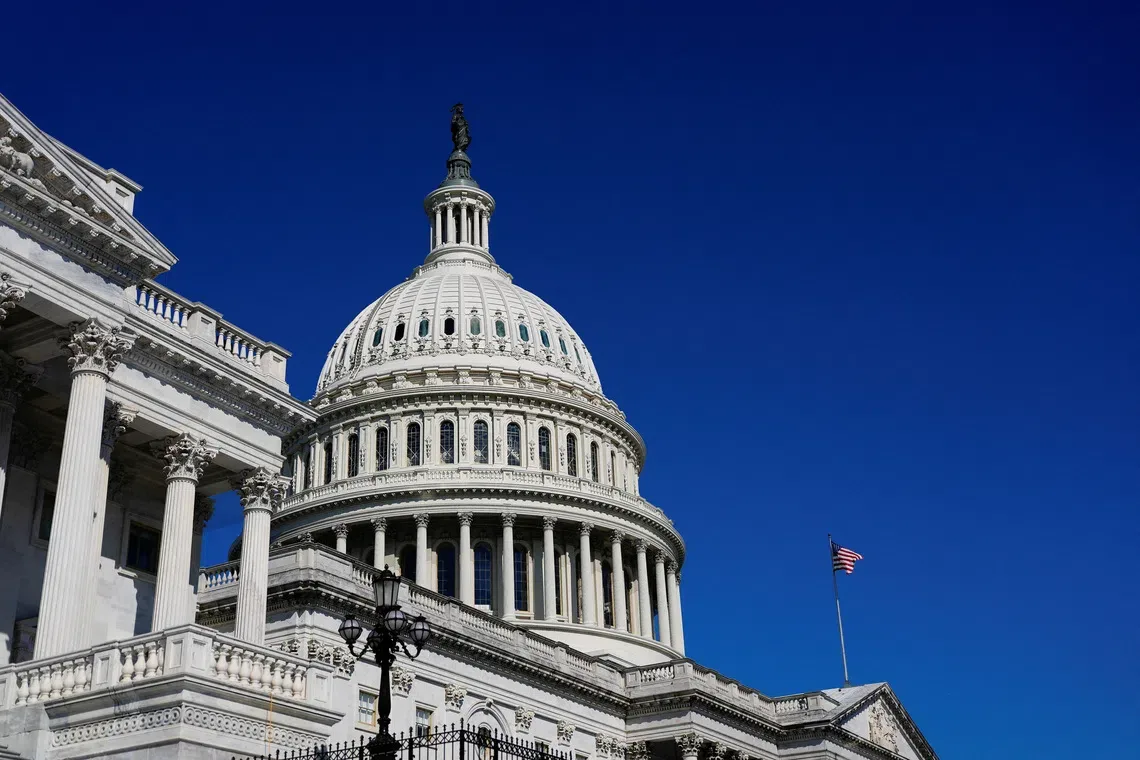
The US House of Representatives passed the Protect Economic and Academic Freedom Act on September 3, 2026, by a vote of 237-169, including 33 Democrats voting in favor and 2 Republicans opposed [1, 2, 3, 4, 5]. The bill targets universities that boycott Israel by threatening to withhold federal funding such as student aid and grants tied to international study and language programs [1, 2, 3, 4].
Universities receiving federal money would have to annually certify they do not block students from taking part in programs in Israel or prevent Israeli students from participating in programs on their campuses [1, 3, 4]. Republican Tim Walberg, chair of the House education committee, said, "Our colleges and universities should not discriminate against Israel, Israeli institutions or Israeli students, and federal taxpayer dollars should never support institutions that engage in such discrimination" [1].
Supporters argue the legislation combats antisemitism and ensures Israel is not discriminated against in academia. Democratic Congressman Josh Gottheimer, a co-sponsor, said no student or professor should feel unwelcome because of their religion or origin and called the boycott-divest-sanction movement "targeting one country and one religion: Israel and Judaism" [4]. He added that BDS "has no place on college campuses" amid reported threats and attacks on Jewish students [5].
Opponents, including some Democrats, contend the bill risks violating First Amendment rights protecting free speech and protests. Jenin Younes, president of the American-Arab Anti-Discrimination Committee, said courts recognize boycotts as protected speech and the government cannot condition funding on suppressing it [3]. Bobby Scott, top Democrat on the House education committee, said punishment for protective speech is wrong and emphasized college policies do not endorse BDS [1]. The bill has deepened divisions within the Democratic Party, with some progressive groups opposing it [5].
The legislation comes amid heightened tensions from Israel's war in Gaza following the October 7, 2023, Hamas attack and Israeli military response, which has caused significant casualties on both sides [1, 2]. A July 2026 Pew survey found 62% of Americans now hold an unfavorable view of the Israeli government [3].
Some critics raise concerns the bill could force universities to engage with institutions in Israeli settlements considered illegal under international law, prompting ethical questions [3].
The bill must still pass the Senate and be signed by President Donald Trump to become law [1, 3, 4].