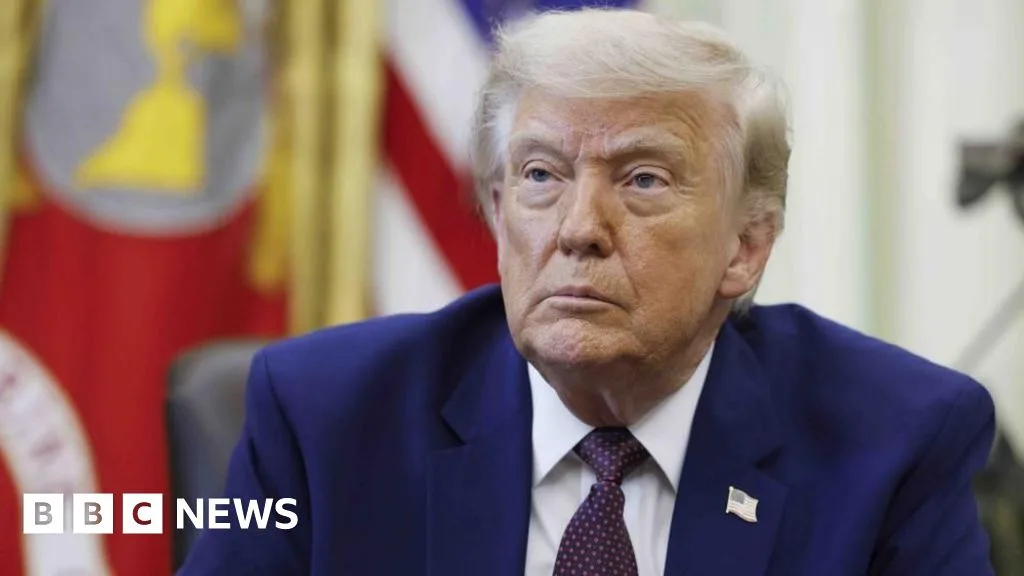
The US House of Representatives passed a war powers resolution on June 3, 2026, by a vote of 215 to 208 aimed at stopping President Donald Trump from conducting further military action in Iran without congressional approval [1, 2, 3, 4, 5, 6, 7, 8, 9, 10]. Four Republicans—Thomas Massie (KY), Brian Fitzpatrick (PA), Tom Barrett (MI), and Warren Davidson (OH)—joined all House Democrats in supporting the measure [1, 7, 8, 10]. Massie said, "The Iran War Powers Resolution that I cosponsored (opposing the war) just passed the House of Representatives. The People’s House is sending a message: end this war" [10]. This marks the first time this year the House has successfully passed such a resolution; seven previous attempts failed, and a May 21 vote was postponed due to lack of consensus [1, 2, 4, 6, 8, 10].
The ongoing conflict with Iran began in late February 2026 when Trump and Israel launched military strikes. It has lasted about three to four months, involving exchanges of drone and missile attacks despite a fragile ceasefire reached in early April [1, 2, 3, 4, 5, 6, 7, 11, 9, 10]. The war has also caused economic impacts such as rising fuel prices and increased international tensions after Iran closed the Strait of Hormuz [2, 4, 5, 11].
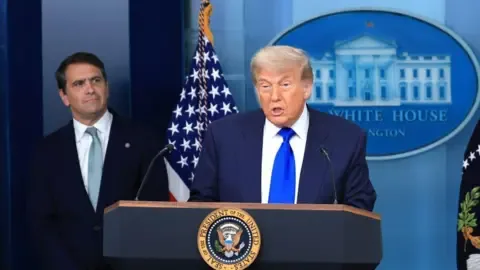
House Democrats cited the War Powers Act requiring presidential congressional approval within 60 days of military engagement, accusing Trump of violating the law [4, 5, 7]. They described the vote as "a loud and unambiguous message to Donald Trump on behalf of the American people: it’s time to end his deeply unpopular and illegal war of choice in Iran" [4]. The House resolution serves as a political rebuke of Trump’s handling of the conflict and reflects growing unease within his own party [2, 3, 4, 6, 8, 10]. Trump denounced the vote on social media as unpatriotic, accusing Republicans who joined Democrats of grandstanding during his final negotiations to end the war [12, 7, 8, 11].
The resolution is a concurrent resolution that would not require the president's signature if passed identically by the Senate but faces legal uncertainty and possible presidential veto [12, 3, 7, 8, 11, 9]. The Trump administration disputes its constitutionality and insists the war is already over [3, 4, 5, 7]. Iran’s leadership warned that negotiations had made little progress and cautioned Israel against further attacks to avoid full renewal of fighting [11]. Secretary of State Marco Rubio declared the war concluded with a US victory [11].
The Senate advanced a similar war powers resolution past a procedural vote in late May 2026 [2, 3, 8, 9]. The next step is Senate consideration of the House-passed resolution, where the outcome and Trump’s response will determine if congressional efforts to limit his military authority in Iran gain legal force.