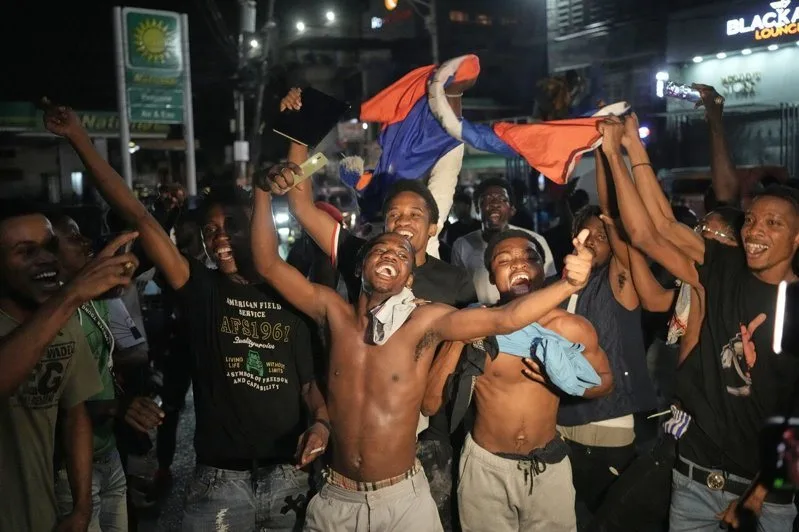
Haitian immigrants in the United States are worried about attending the 2026 FIFA World Cup matches hosted mainly in US cities due to fears of arrest by Immigration and Customs Enforcement (ICE) under the Trump administration’s strict immigration policies [1, 2, 3, 4, 5]. Haiti qualified for the World Cup for the first time since 1974, a source of immense pride for Haitians globally [1, 2, 3, 4, 5].
Emile, a Haitian truck driver in Ohio in his 40s, said his lawyer advised him not to fly to matches to avoid potential arrest at airports. He described the dilemma of wanting to attend: “Singing my country’s national anthem in a stadium in front of the whole world is a historic moment that no one would want to miss. But at the same time, I think twice. I don’t want to be arrested by ICE.” [1]
The Trump administration plans to end Temporary Protected Status (TPS) benefits that currently shield Haitians like Emile from deportation [1, 2, 3, 4, 5]. Since 2024, roughly 850,000 Haitians live in the US, mostly in Miami and New York, forming sizeable immigrant communities [1, 2, 3, 4, 5].
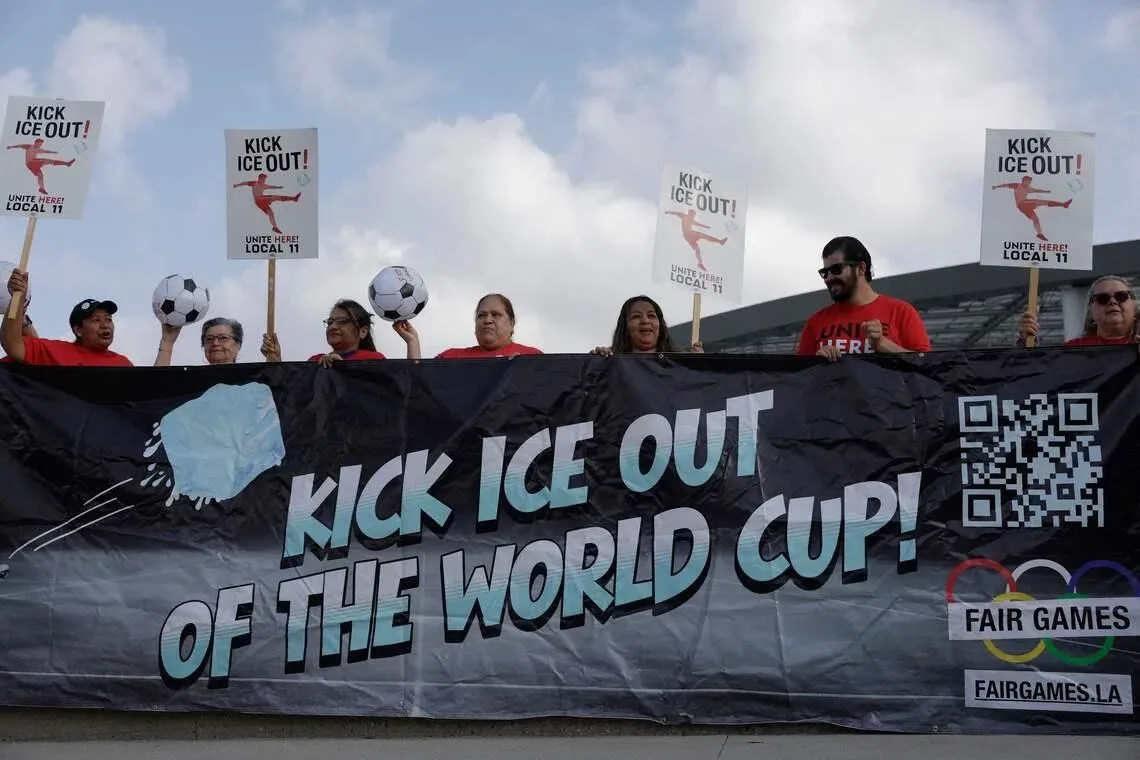
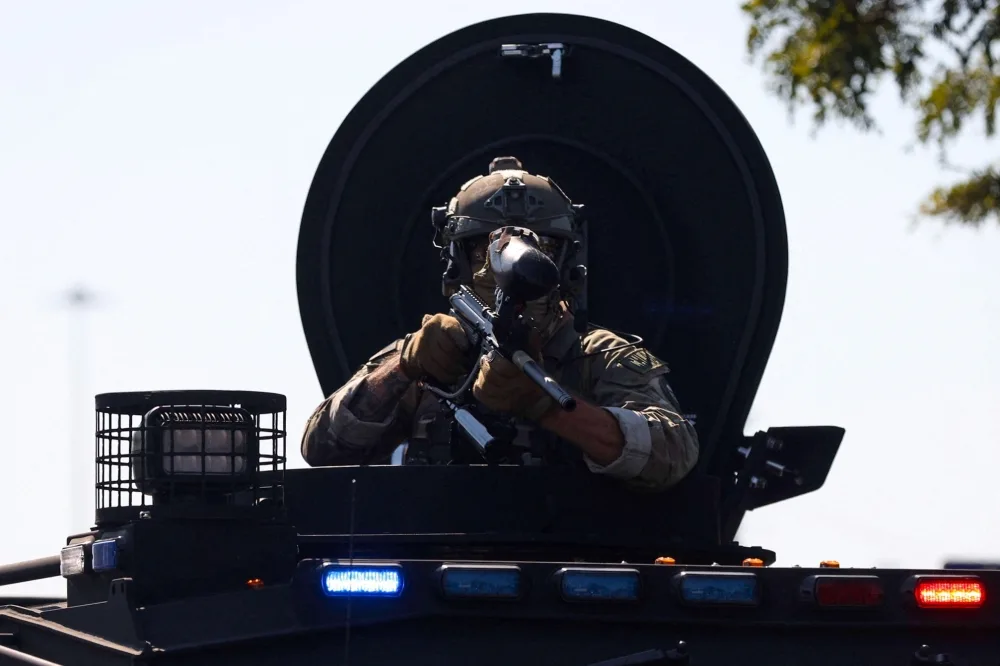
ICE has conducted aggressive enforcement operations in multiple cities, including heavily armed raids that have created a fearful and hostile atmosphere. Monica Sarmiento, an immigration expert, said, “Now, people are making sure that they are aware to what they are doing and they don’t feel safe. They are afraid. We have seen very aggressive tactics (from ICE) that have gone after not only undocumented communities but also people with protective status.” [1]
She added 70% of those deported had no criminal record and many have lived and paid taxes in the US for decades [1]. Sarmiento also described a “fearful and hostile environment across the country, and not only for the World Cup but every single day.” [4]
Fear of enforcement also extends to Hispanic communities, which constitute about 20% of the US population and are concentrated in states like California, Texas, and Florida [1, 3, 4, 5]. In New York City, immigrant neighborhoods such as Brooklyn’s Little Haiti have seen subdued business activity due to deportation fears [6, 7].
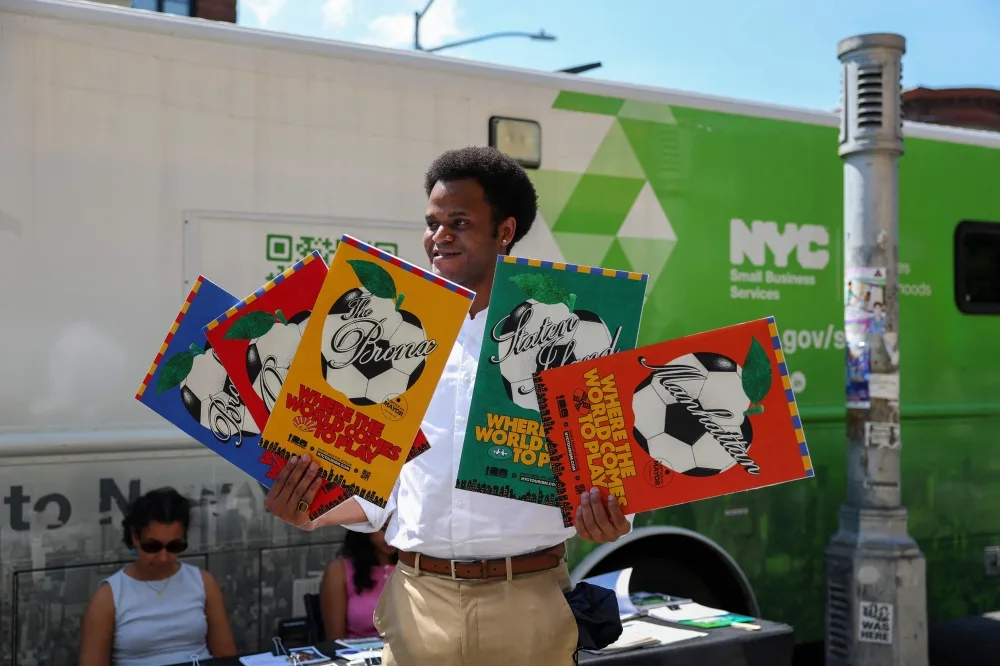
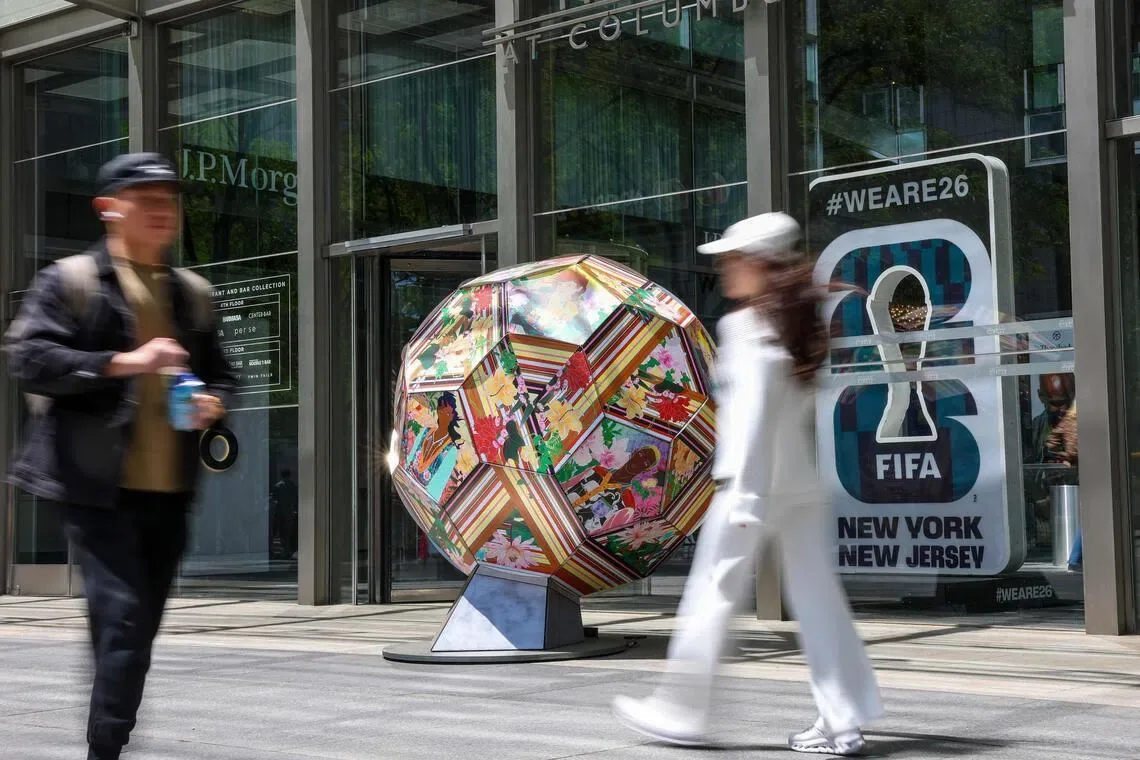
Still, some community efforts seek to boost morale and economic activity surrounding the World Cup. The NYC Department of Small Business Services launched a program distributing commemorative FIFA drinking cups to about 600 businesses across all five boroughs as of May 20, encouraging celebrations and local patronage [6, 7]. Business owner Jacques Brunvil said, “With FIFA it’s an opportunity to maybe reach a new market, reach a new group of people that may not have visited your business before.” [6]
Mahalia Desrosiers, a community member, expressed hope: “I think the World Cup will give people a sense of life, of hope, energy. Haitians will put their flag on everything. We will paint this town red and blue.” [6]
The 2026 FIFA World Cup runs from June 11 to July 19, with the US hosting 78 of the 104 matches alongside Canada and Mexico [1, 2, 3, 4, 5]. Haitian immigrants and other immigrant communities across the US face difficult choices amid heightened ICE enforcement as the event approaches.