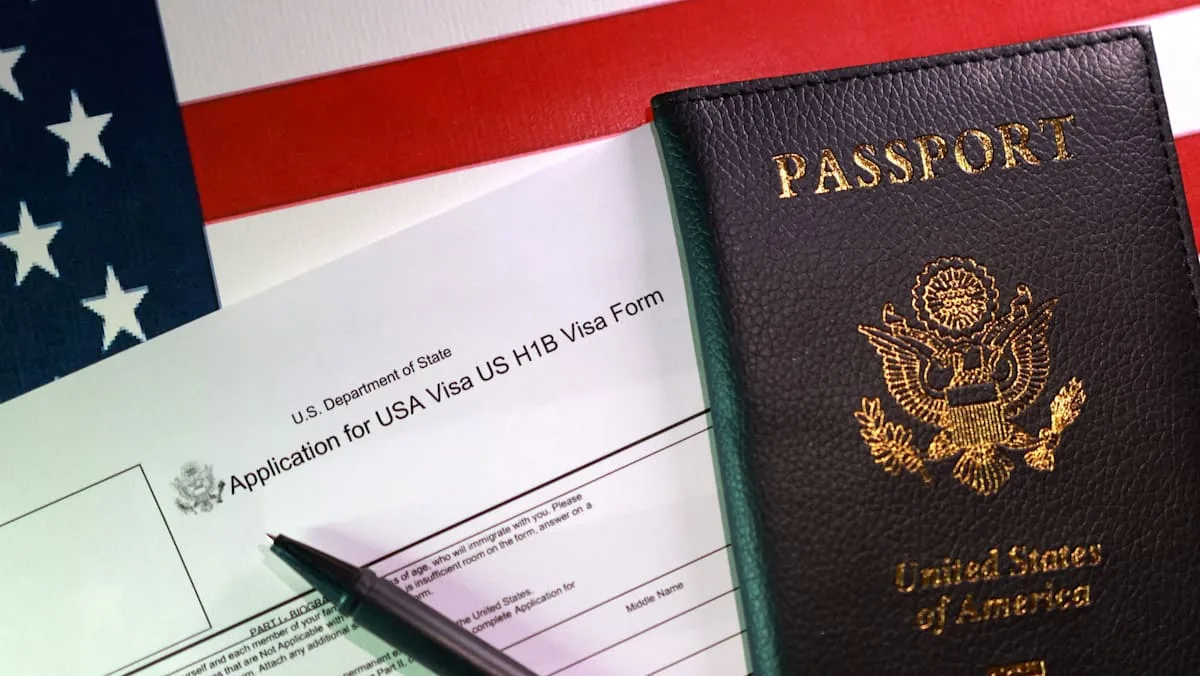
The US government announced new visa restrictions targeting individuals responsible for or complicit in cybercrime and cyber-enabled crime on July 23, 2026, Secretary of State Marco Rubio said [1, 2]. The policy applies not only to perpetrators but may also extend to their immediate family members [3, 1, 2].
Rubio emphasized that the restrictions focus on cybercrimes including cyberscams and sextortion. "Often orchestrated by Chinese transnational criminal organizations, scammers have defrauded U.S. citizens of at least $10 billion in 2024 alone," Rubio said, highlighting the scale of financial losses caused by these schemes [1, 2]. Sextortion scams targeting American children overseas have been a particular concern, with Rubio noting these crimes devastate families and futures [2].
The visa restrictions are implemented under the Immigration and Nationality Act [1]. Rubio explained that the Trump Administration is using "sanctions, prosecutions, asset seizures, extradition requests, and international law enforcement cooperation" to dismantle these criminal networks and hold enablers accountable [1]. Earlier in 2026, President Donald Trump signed an executive order ordering federal agencies to act against foreign scam centers, transnational criminal organizations, and cyber-enabled financial fraud, providing a legal framework for the new visa measures [2].
These actions follow growing concerns about large-scale online investment scams run by criminal groups abroad. The reported estimated losses from such scams in 2024 alone reached $10 billion, underlining the urgency for coordinated US response [1, 2]. The visa restrictions add a new diplomatic tool aiming to disrupt criminals' ability to travel and access the US.
The policy announcement marks a concrete step following President Trump's executive order earlier this year. It indicates continued US government efforts to target cybercriminal operations internationally using visa controls alongside prosecutions and sanctions [2].