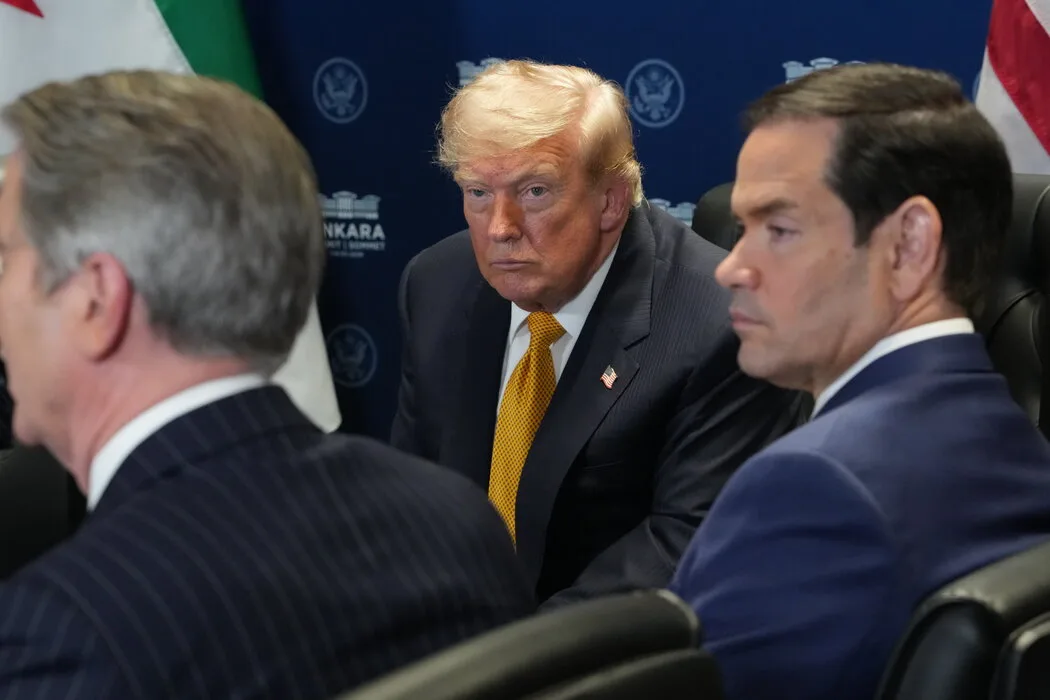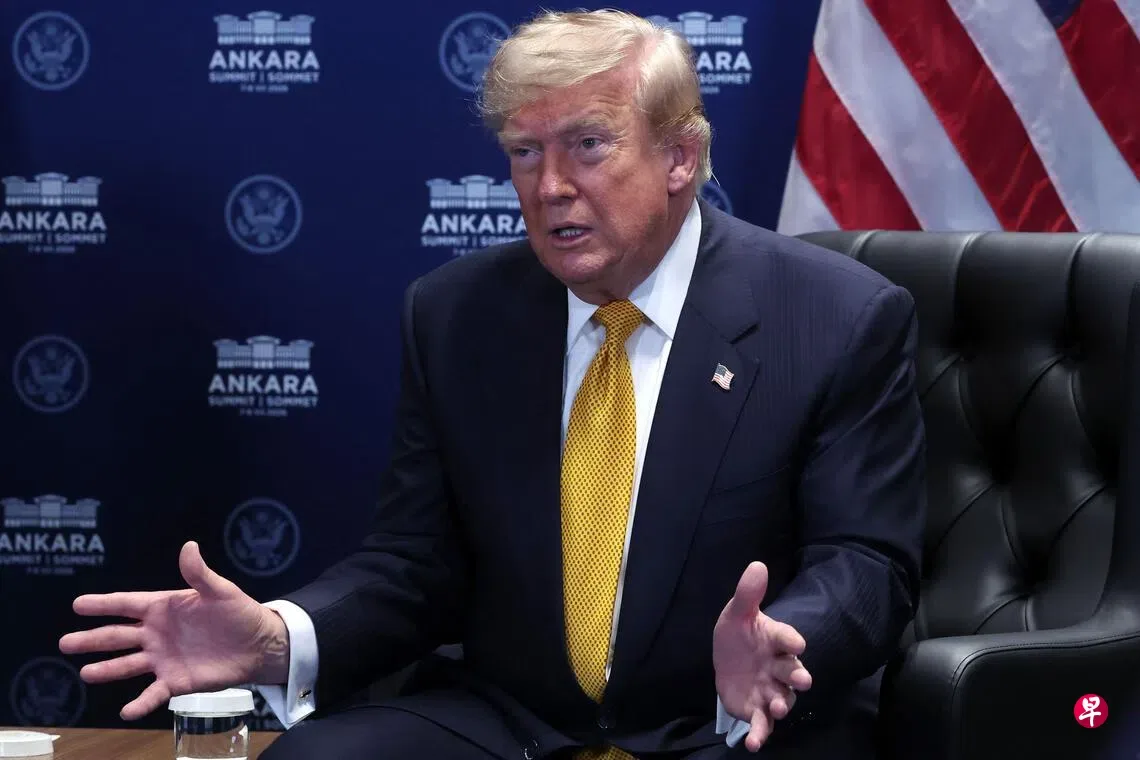
US President Donald Trump declared on July 6 that the interim ceasefire agreement with Iran was over, warning he was prepared to "finish the job" militarily if needed but would prefer a deal to avoid harming Iran’s 91 million people [1, 2, 3, 4]. Trump said the US could rapidly destroy Iranian infrastructure such as bridges and energy supplies but remained willing to negotiate [1, 2, 3]. He also called Iranian leaders "scum" and "sick people," expressing frustration with talks but not closing the door on diplomacy [5, 4, 6, 7].
Iranian officials, including Mohammad Baqer Zolqadr, rejected US threats as "delusional" and warned the US would face a strong response. Zolqadr said, "Iranians are unfamiliar with the language of threats. So speak to the Iranian people with respect, otherwise we will respond in another language" [1, 2, 3].
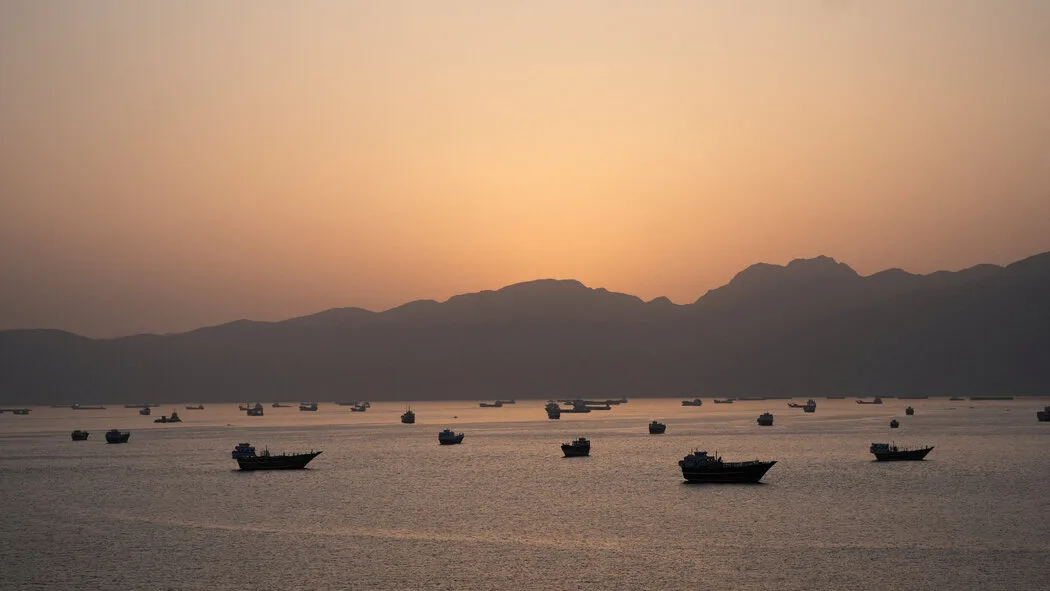
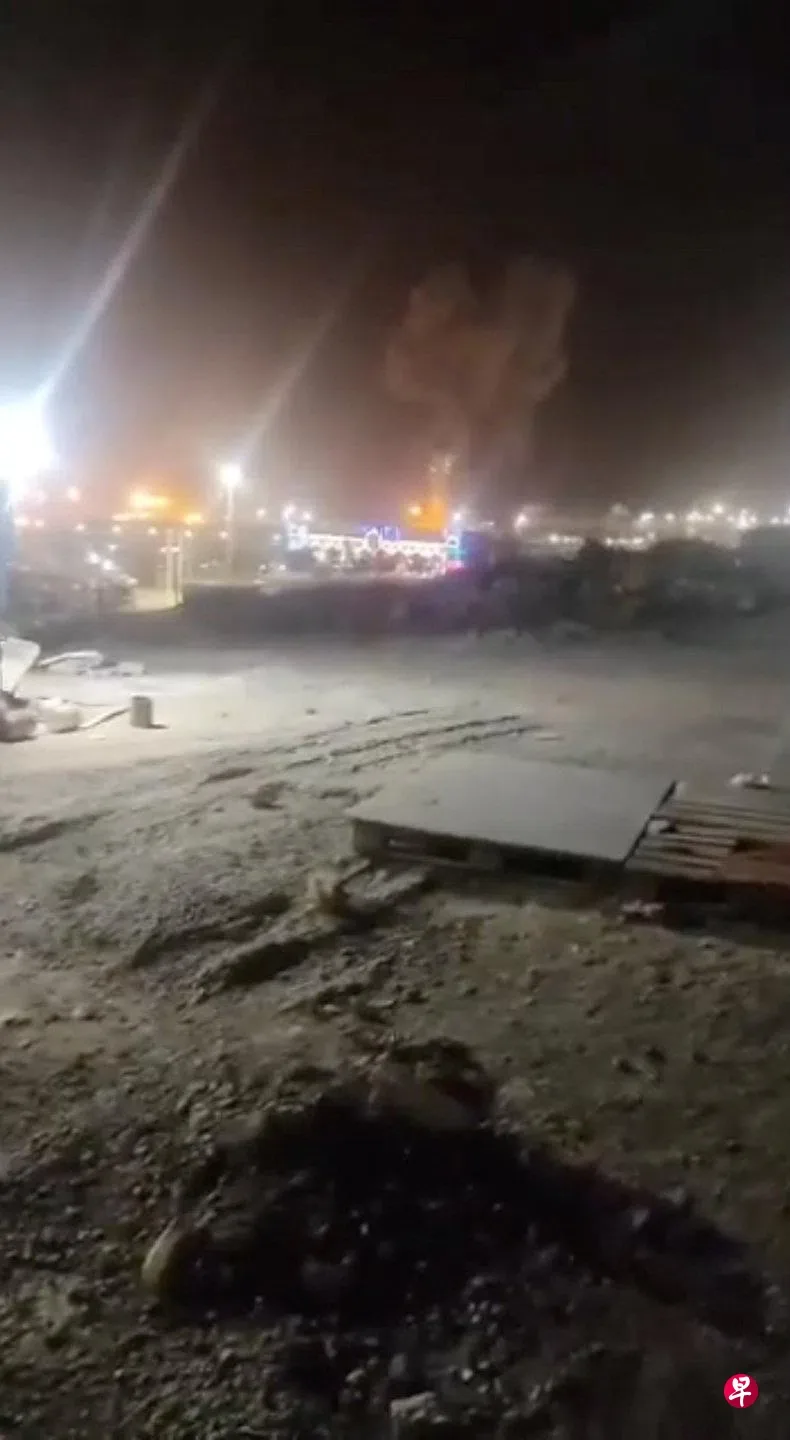
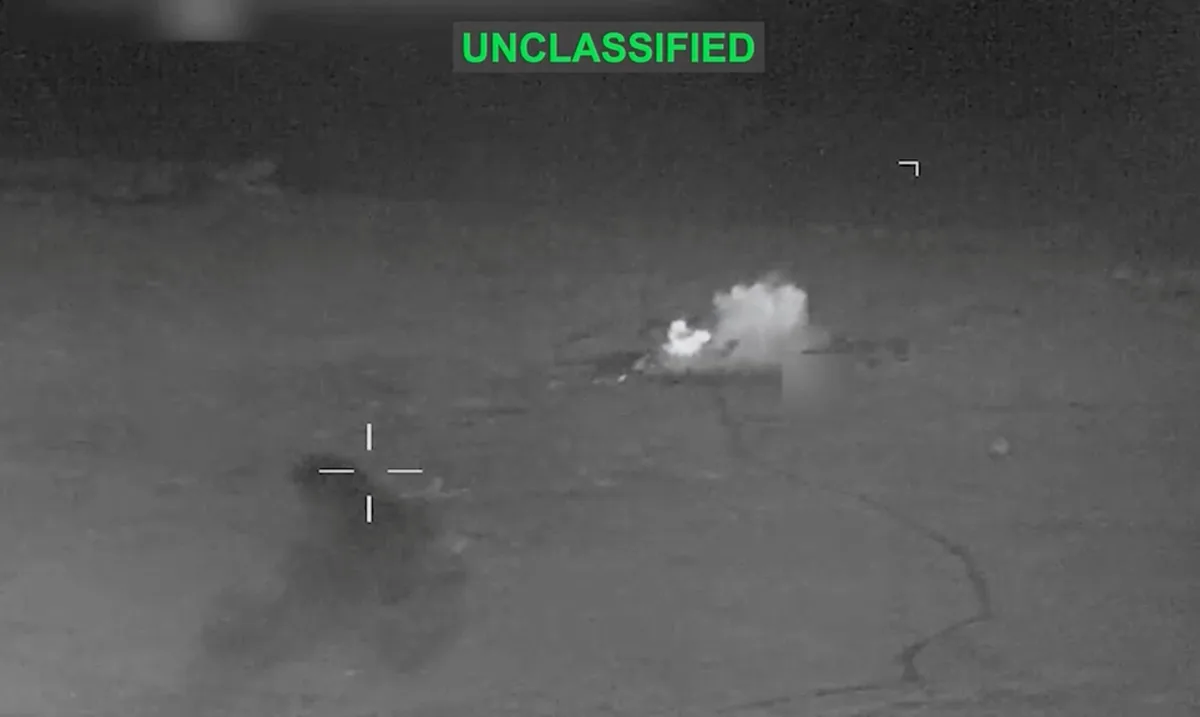
The next day, July 7, Iran attacked three commercial ships in the Strait of Hormuz. The US retaliated with airstrikes targeting over 80 Iranian military sites, including missile bases and naval facilities [5, 4, 8, 9]. The US Central Command later reported conducting multiple rounds of strikes in early to mid-July, hitting more than 300 Iranian targets in total, including 140 on July 11 alone [4, 8, 10, 9, 11].
In response, Iran launched missile and drone attacks on about 85 US military facilities across Bahrain, Kuwait, and Jordan [5, 4, 12, 11]. Iran’s Islamic Revolutionary Guard Corps announced on July 12 it was closing the Strait of Hormuz indefinitely, citing foreign interference and concerns over security, though the US denied that Iran controlled the strait and maintained navigation continued [10].
The airstrikes damaged Iranian civilian infrastructure, including railway bridges, prompting Iran to condemn the US actions as serious war crimes [12, 8]. International maritime organizations condemned attacks on shipping in the Strait of Hormuz and called for de-escalation to ensure safe passage for vessels and crews [5, 4, 8].
The US also revoked temporary licenses that had allowed Iran to sell petroleum products as part of stepped-up sanctions following the renewed hostilities [5, 4]. Brent crude oil prices rose to about $76 to $78 per barrel after tensions escalated [5, 7].
NATO Secretary General Mark Rutte said a strong US response was essential, noting that Iran violated the ceasefire by attacking commercial shipping [5]. Meanwhile, UN Secretary-General António Guterres expressed concern over the renewed military confrontations [11]. Iranian Foreign Ministry spokesperson Bagheri called the confrontations "a continuation of US and Israeli aggression initiated on February 28," rejecting the characterization as a new military conflict [11].
Analysts described the ceasefire as fragile and deeply flawed, with major unresolved issues including Iran’s control over the Strait of Hormuz [6, 8]. Despite claims from US officials that the ceasefire ended early July, some observers note neither side wants a full-scale war [5].
The latest major event occurred July 12, with US airstrikes targeting Iranian military assets in a fourth round, coinciding with Iran’s announcement of the Strait of Hormuz closure [10, 11].