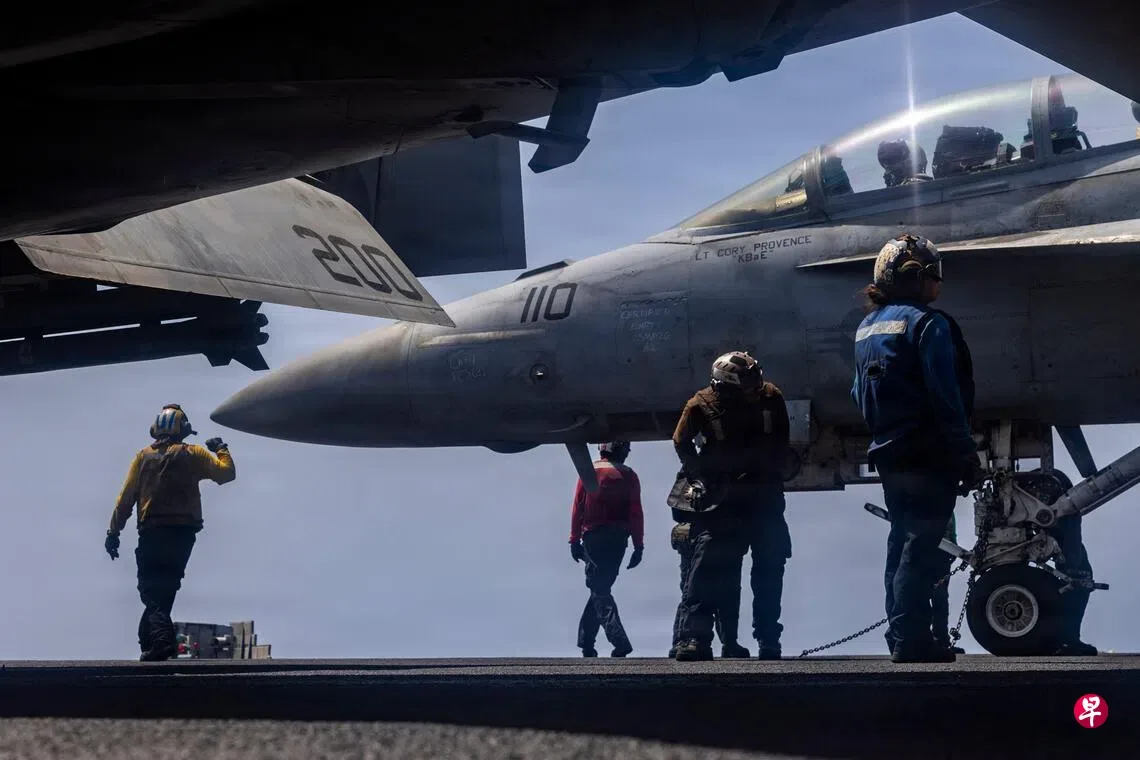
The US conducted defensive airstrikes on Iranian radar and drone command centers on May 31, 2026, following Iran's downing of a US MQ-1 drone over international waters [1]. Iran responded with missile strikes on US military bases in the Middle East, including an attack on Kuwait's Ali Al Salem airbase, though US forces intercepted the missiles without casualties [1].
On June 1, Iran suspended indirect peace talks with the US, demanding an end to Israeli military operations against Lebanon and Gaza before resuming negotiations, according to Iranian semi-official outlet Tasnim [1, 2]. The Iranian Revolutionary Guard claimed to have destroyed the US airbase involved in the May 31 strikes [1]. Iran and its allies also announced plans to fully block the Strait of Hormuz and possibly the Mandeb Strait in retaliation for Israeli actions and US attacks [1, 3, 2].
The Strait of Hormuz is a critical global energy artery, carrying about one-fifth of oil and liquefied natural gas shipments worldwide. Since February 2026, conflict-related disruptions have significantly reduced Middle East oil production by around 6%, affecting global supplies [4, 5, 6]. Iranian deployment of naval mines in the strait has raised security concerns, according to multiple sources [7, 8]. US Defense Secretary Pete Hegseth warned any Iranian attempt to place new mines would violate the ceasefire [8].
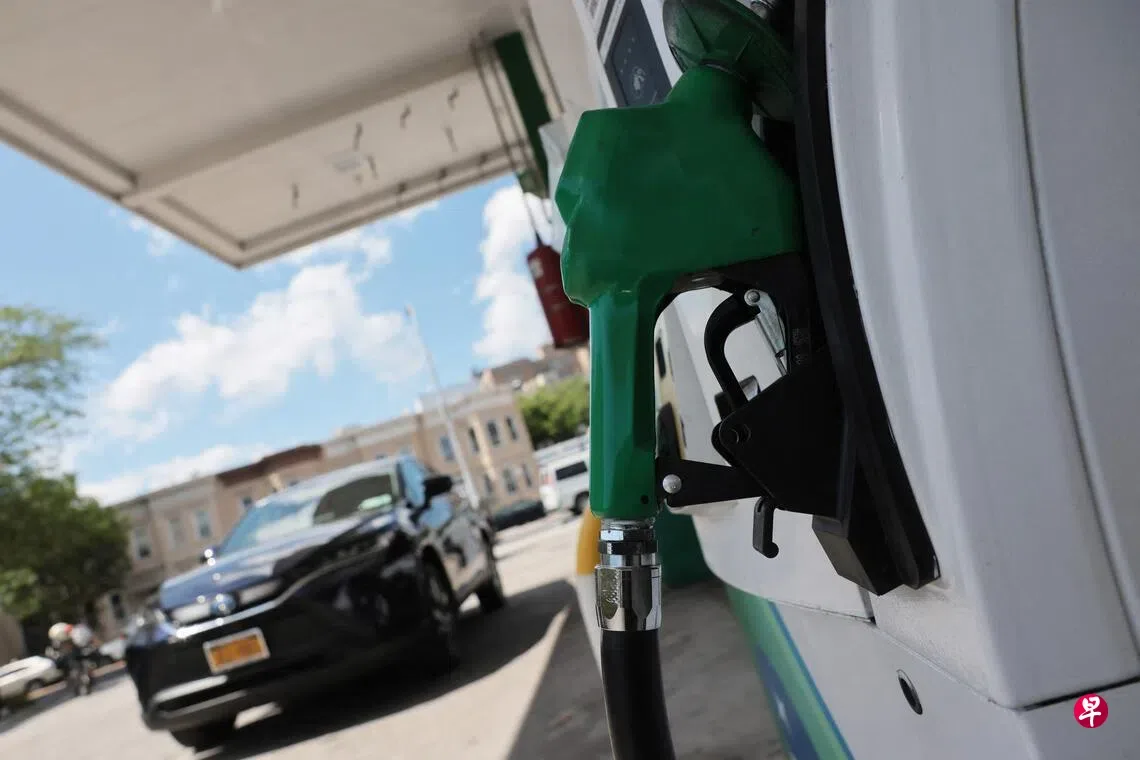
The renewed conflict sent oil prices surging over 5% on June 1. Brent crude briefly topped $95.60 per barrel, and WTI crude rose to about $92.55, as traders reacted to the suspension of talks and escalating regional tensions [1, 4, 3, 9]. However, on June 2, prices fell over 1% after US President Donald Trump denied the talks had stopped, stating negotiations were continuing rapidly and expressing optimism for an agreement within a week [10, 2]. Trump said the agreement clearly prevents Iran from possessing nuclear weapons and covers nuclear issues extensively, contradicting Iranian claims that nuclear matters are not part of the current ceasefire talks [1, 10].
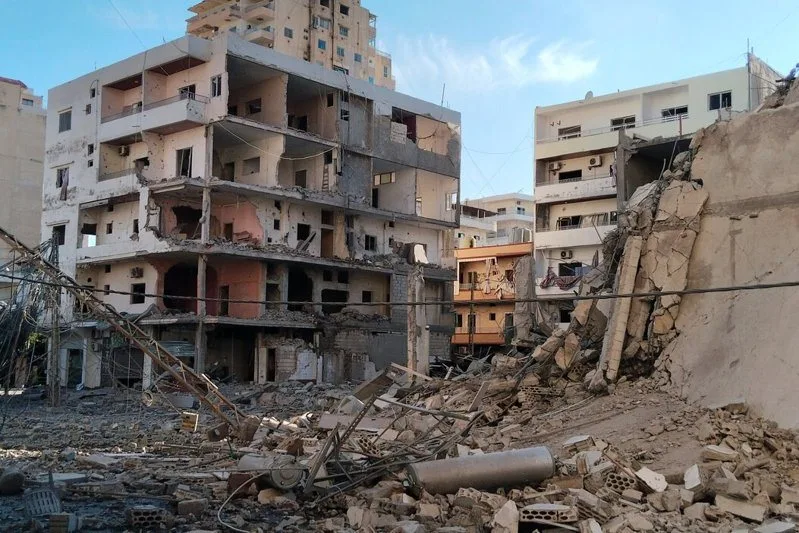
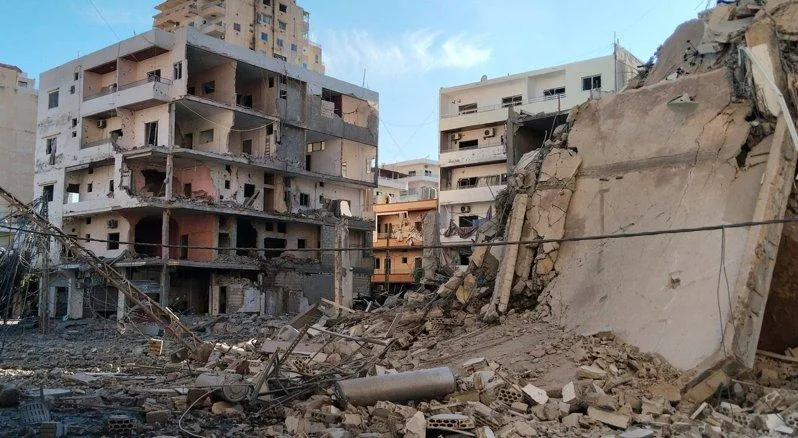
Israel expanded its military operations against Hezbollah in Lebanon during this period, further complicating the regional situation and US-Iran negotiations [5, 11, 7, 8]. Economic analyst Hamzeh Al Gaaod noted both Iran and the US remain unwilling to compromise on key demands, causing oil prices to oscillate with shifting news between optimism and caution [4]. Chevron CEO Mike Wirth cited recent attacks on ships transiting the Strait of Hormuz as evidence of continued risks for shipping [4]. Karobaar Capital's Haris Khurshid pointed out that despite recent price declines, oil remains at relatively high levels, reflecting a market still pricing in significant geopolitical risk [5].
The US and Iran have been discussing a draft ceasefire agreement aimed at extending a ceasefire and reopening the Strait of Hormuz, but substantive progress is unclear [1, 4, 5, 6]. Iran's nuclear program is currently excluded from the ceasefire talks, which focus on ending hostilities first [1]. US energy markets show tight fundamentals with declining crude stocks and refinery inventories despite fluctuating prices [6].
The immediate next step is continued negotiations between the US and Iran, with Trump expecting a possible agreement within a week, even as Iran maintains its suspension until Israeli military actions cease [10, 2].