The war involving the US, Israel, and Iran entered its 101st day on June 8, 2026, marked by fresh missile exchanges between Iran and Israel and a security cabinet meeting called by Israeli Prime Minister Benjamin Netanyahu in response to escalating attacks [1].
The conflict began around February 28, 2026, when US and Israeli forces launched strikes on Iran under Operation Epic Fury, initiating open hostilities [2, 3]. A Pakistan-mediated ceasefire was announced on April 8 but failed to halt the fighting, as missile and air attacks have continued into June [4, 5, 1].
Iran fired ballistic missiles at Israeli military targets including the Ramat David airbase, while Israel retaliated with airstrikes on Iranian radar and drone facilities, Qeshm Island, and the Karun Petrochemical Company in Mahshahr [4, 5, 1]. Israel’s strikes were criticized by Iran, which denies reports of attacking a Saudi airbase at Al-Kharj despite an explosion there [1].
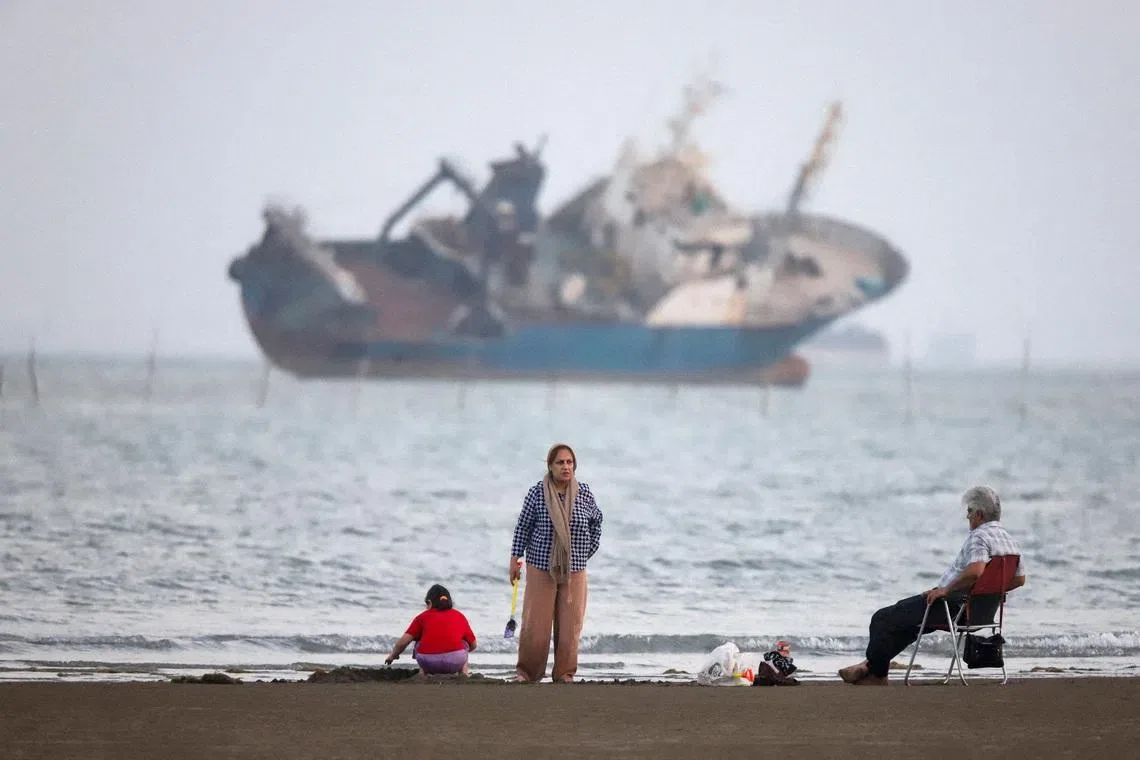
The Strait of Hormuz remains effectively closed by an Iranian blockade, disrupting about 20% of global oil and LNG shipments. Normally 100 ships pass daily; current traffic has dropped to 7 ships per day [6, 3, 7]. The US maintains a naval blockade on Iranian ports, seizing vessels and oil tankers, which Iran calls harassment [6, 5].
Tensions also rise over Iran’s nuclear program, which now enriches uranium up to 60% purity, surpassing peaceful levels. US officials allege Iran seeks a nuclear weapon, claims Iran denies, insisting its program is peaceful [6].
Earlier peace talks between Iran and the US, the first direct talks since 1979, took place in Islamabad from April 11-12 but ended without agreement. Vice President JD Vance said, "We have been at it now for 21 hours. The good news is that we’ve had substantive discussions. The bad news is that we have not reached an agreement." Iran demands an end to Israeli strikes in Lebanon and the release of frozen Iranian assets abroad before any deal [2]. Pakistani Prime Minister Shahbaz Sharif called the talks "a make-or-break moment for lasting peace" [2].
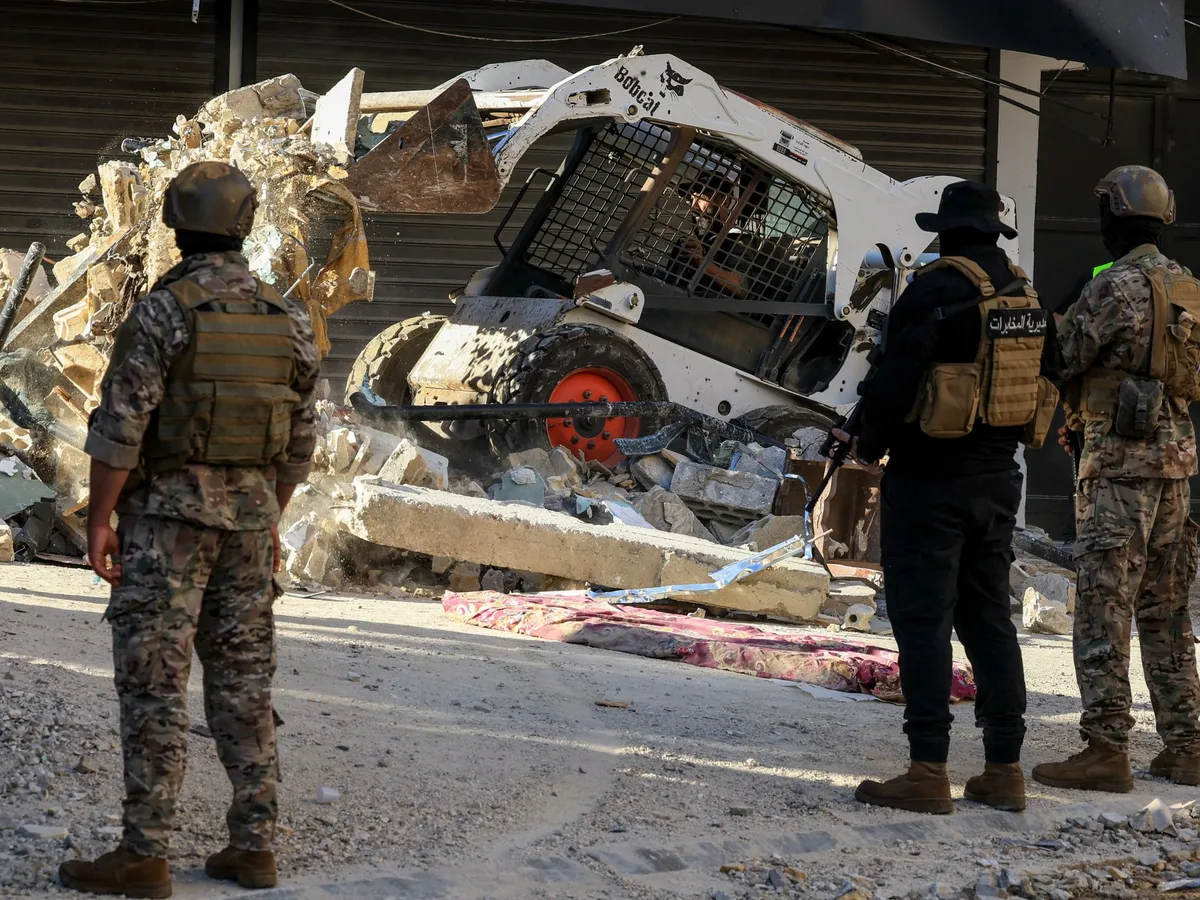
The conflict has caused heavy casualties and displacement. At least 3,593 people have died in Lebanon, 3,468 in Iran, 29 in Gulf states, 26 in Israel, and 13 US soldiers killed in Iranian attacks. Israel occupies nearly 2,000 square kilometers—almost one-fifth—of southern Lebanon, displacing over one million people and destroying towns and villages [3, 7].
Iranian missile and drone attacks have targeted US assets and the Fifth Fleet headquarters in Bahrain, with many projectiles intercepted by US forces. Iranian attacks also struck Kuwait’s international airport causing injuries and flight disruptions, although US Central Command said some missiles fell short and no US personnel or assets were harmed [5].
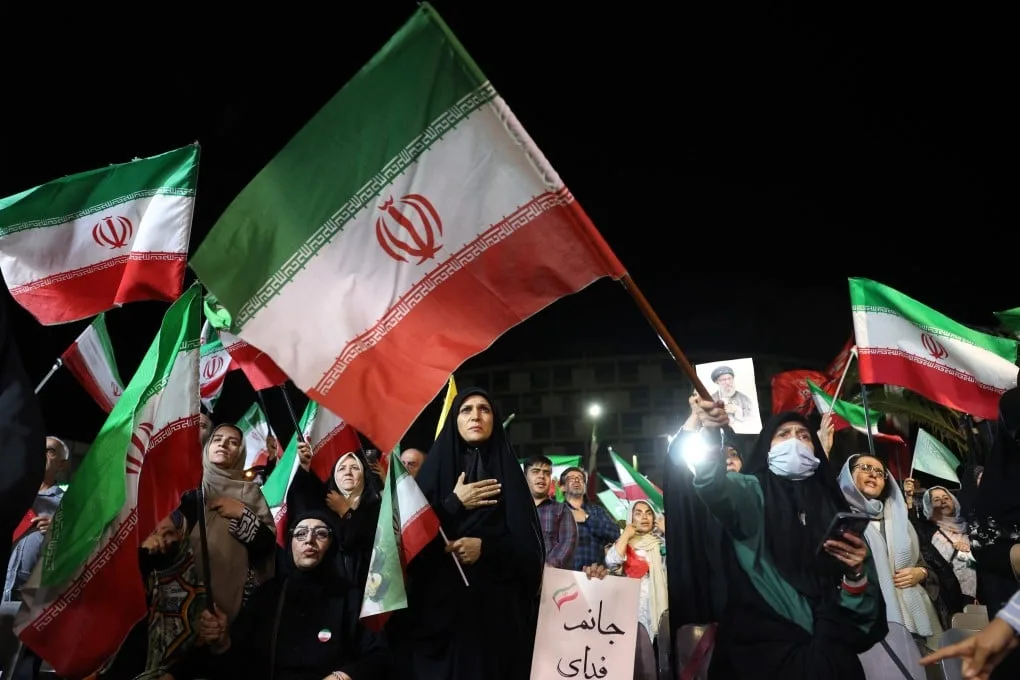
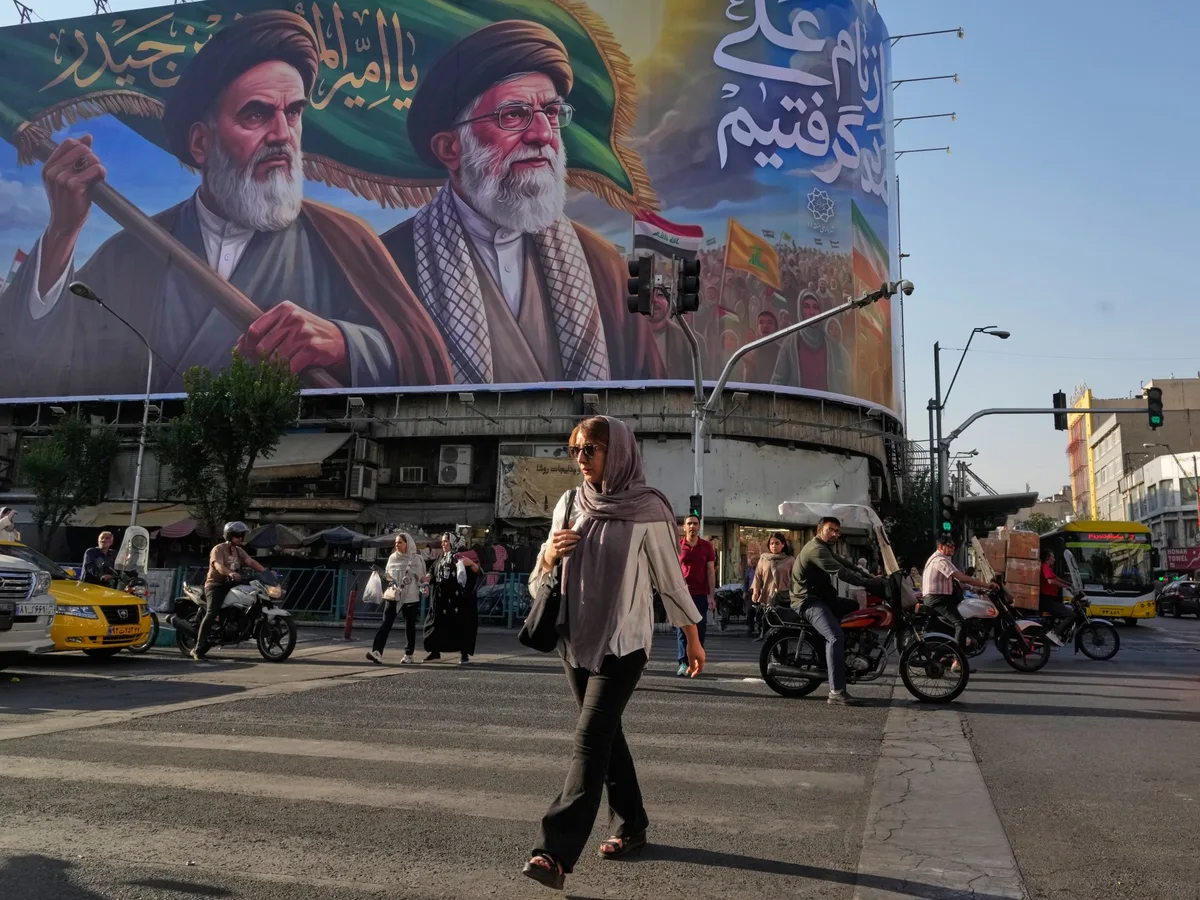
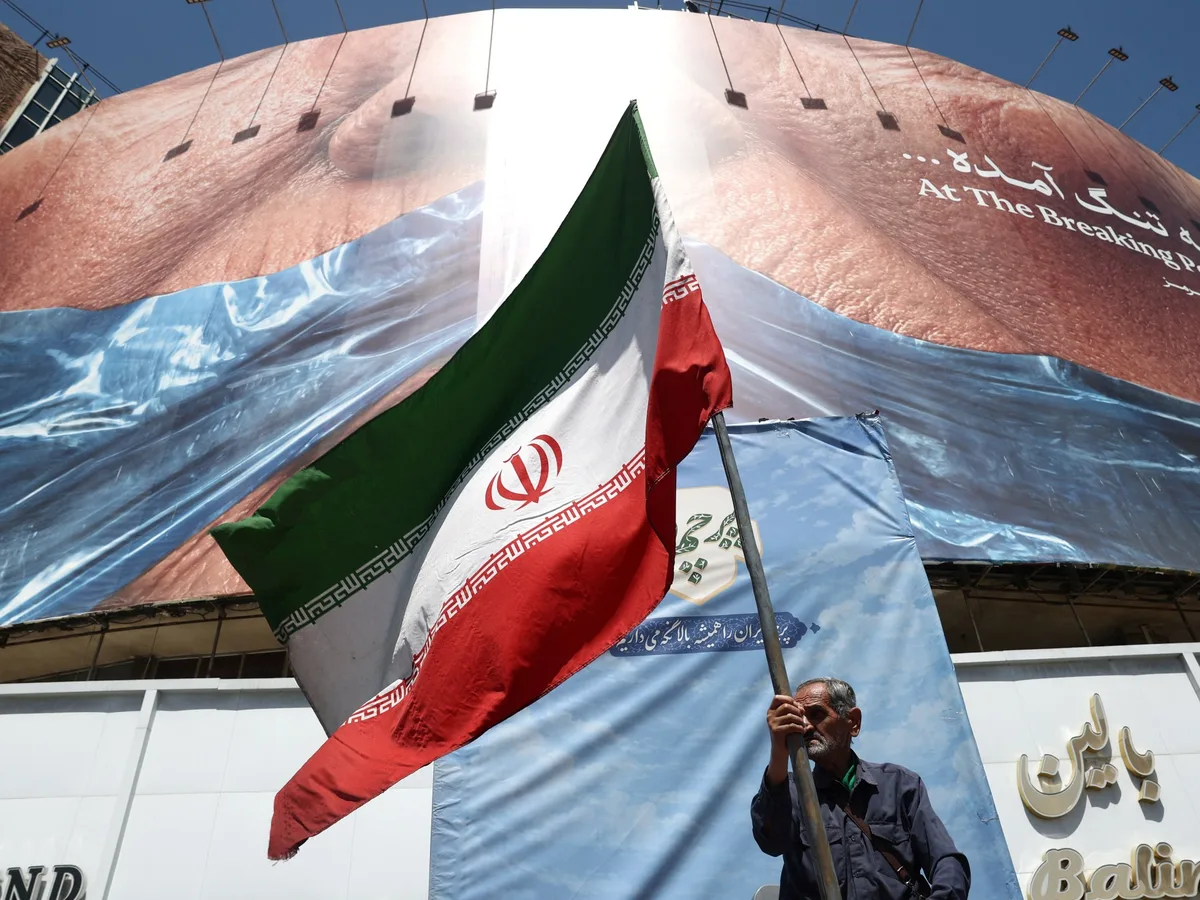
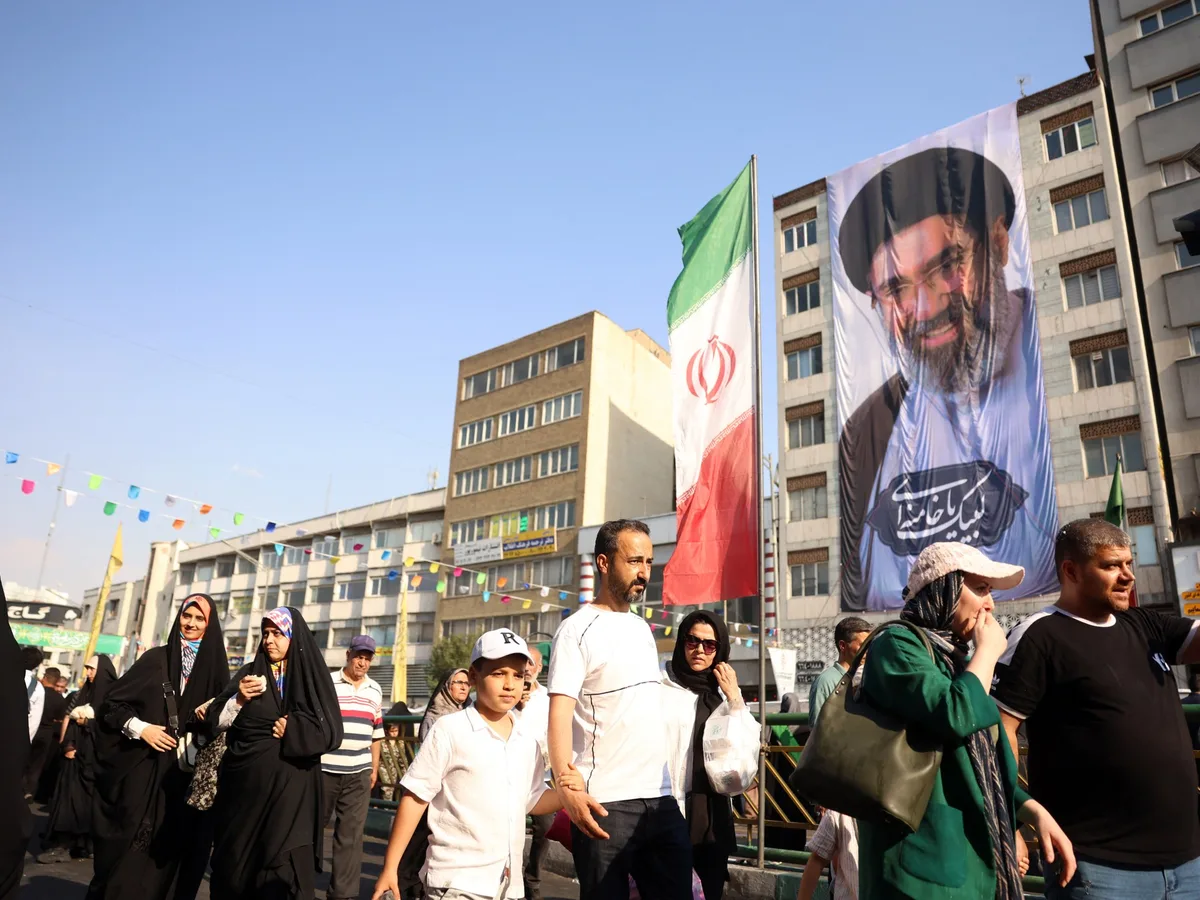
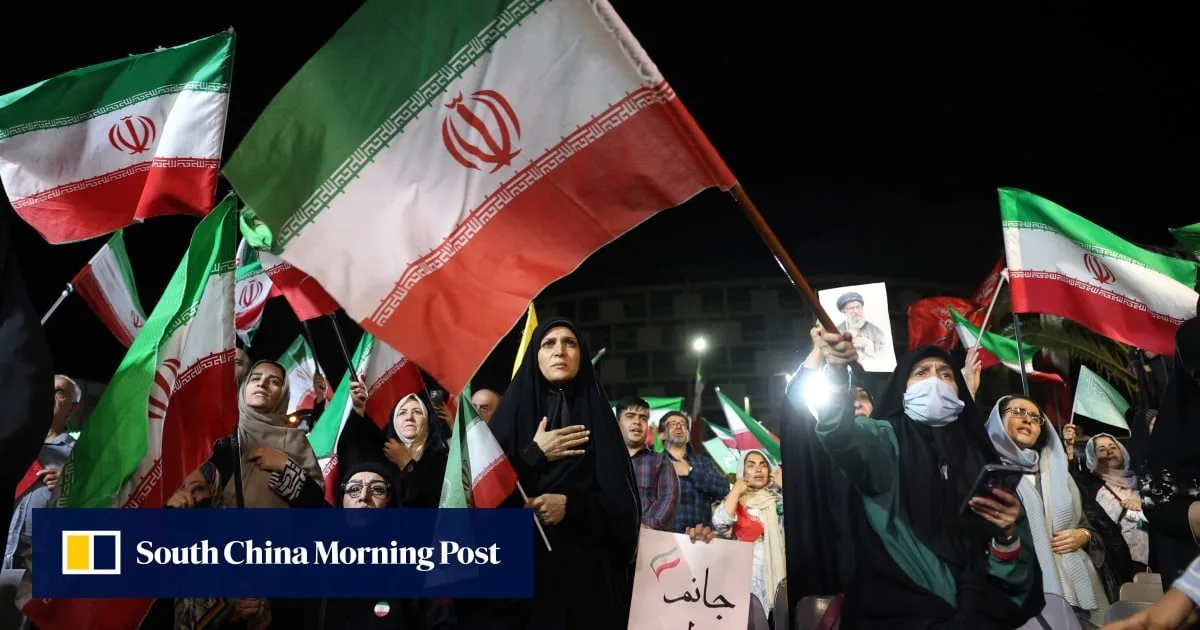
Iran’s Supreme Leader Ali Khamenei was assassinated at the war’s start. His successor, Mojtaba Khamenei, leads quietly behind the scenes. The Iranian government maintains tight security measures nationwide, including checkpoints, limited school closures, and pro-government messaging [8].
US Secretary of State has issued a security alert for citizens in Jordan over projectile threats linked to the conflict [1].
The latest exchanges today and Netanyahu’s security meeting indicate no letup is expected in the near term [1].