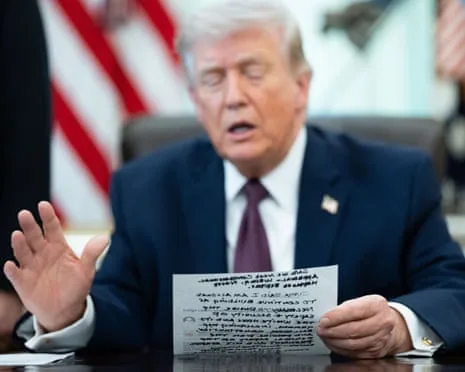
Federal judge Indira Talwani on September 4 extended a preliminary injunction blocking the U.S. Postal Service from implementing former President Donald Trump's executive order that sought to restrict mail-in voting ahead of the 2026 midterm elections [1, 2, 3].
The order bars USPS from refusing to transmit mail-in ballots that do not meet the new standards set by Trump’s March 2026 directive, which claimed widespread fraud without evidence [3, 1, 2]. Talwani ruled the Postal Service exceeded its authority because election administration is controlled by states and Congress, not the executive branch [2, 3].
The judge highlighted the risk that millions of voters could be disenfranchised due to the rapid and complex changes required by the new ballot procedures so close to the election. “Plaintiff states are required under state law to mail millions of ballots to voters on a prescribed timeframe,” Talwani wrote. “As detailed below, they are unable to pivot this late in the election cycle, nearly guaranteeing significant disenfranchisement for eligible voters” [1].
She added that forcing states to redesign ballot envelopes and upload voter data to an unproven digital portal just weeks before the November 3 election “would cause inevitable disenfranchisement” [3]. The court found no evidence of fraudulent mail voting to justify the sudden policy shift [3].
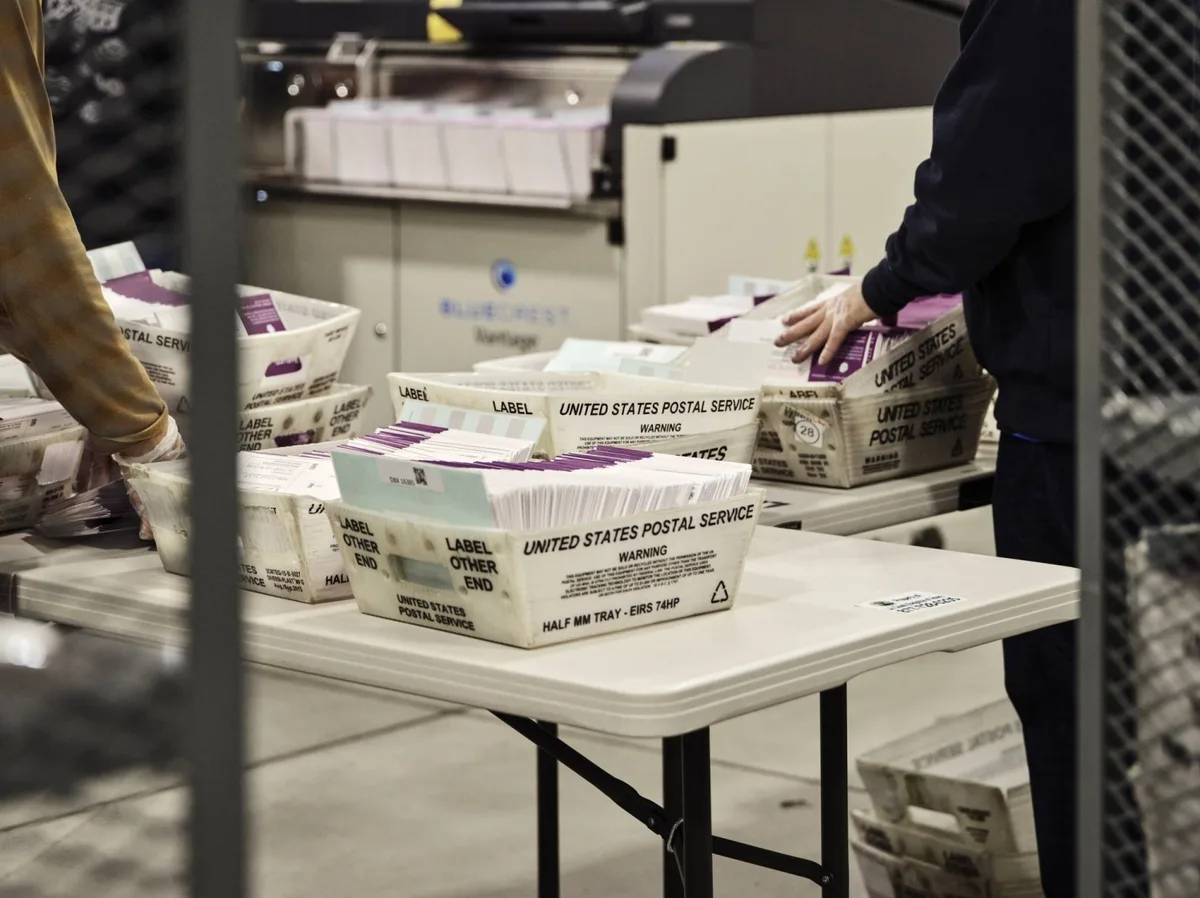
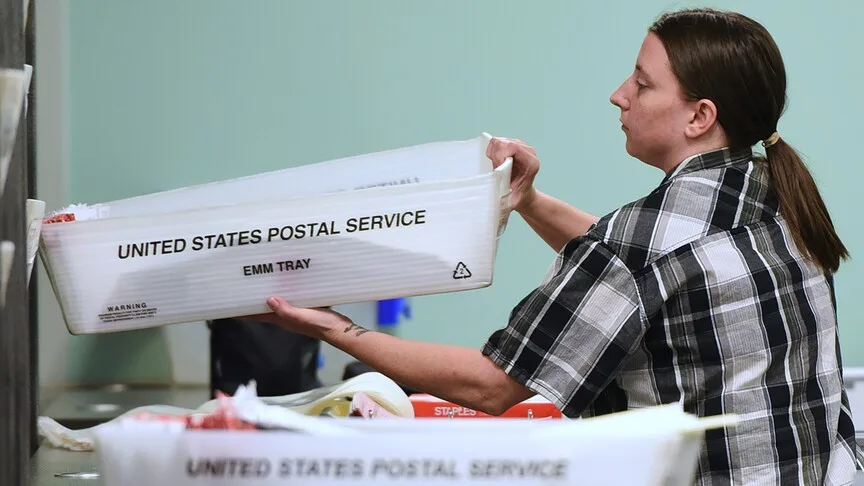
North Carolina began sending out mail-in ballots on September 4, with other states expected to follow [1, 2]. Around one-third of U.S. voters typically cast ballots by mail [1]. No state has voluntarily adopted the new USPS mail-in ballot system mandated by Trump’s order [1].
A USPS whistleblower warned that poor implementation of the new system could prevent millions of Americans from receiving ballots in time [2]. Some small rural jurisdictions lack the technology to meet new envelope barcode requirements, while the required digital portal is not operational [3].
The Trump administration previously filed an appeal against the initial injunction and plans to appeal the extended block [1, 2]. The extended ruling ensures that mail-in voting will proceed under existing rules in the critical weeks before the November midterm elections.