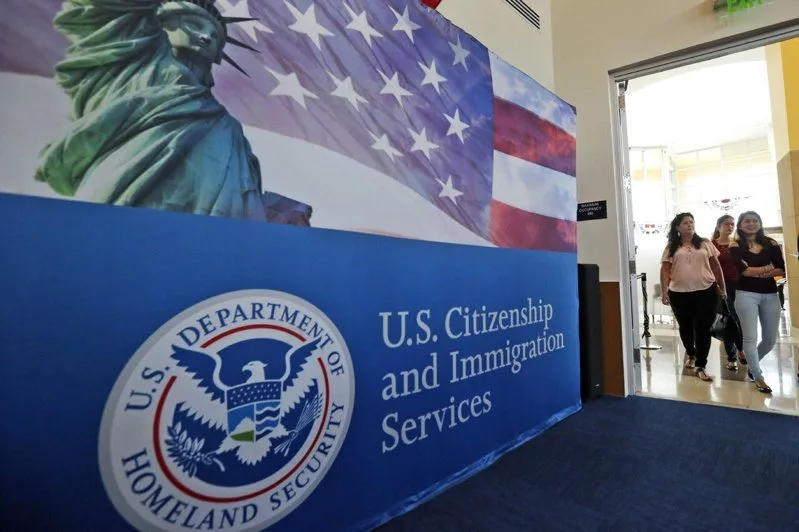
US District Judge John McConnell ruled yesterday that the Trump administration's immigration restrictions freezing visa, green card, work permit, asylum, and citizenship application processing for nationals from 39 countries were unlawful and arbitrary [1, 2]. The policies, imposed after a November 26, 2025 shooting in Washington D.C. by an Afghan immigrant who killed a National Guard member, affected nationals from countries across Africa, Asia, Latin America, and the Middle East, including Afghanistan, Iran, Haiti, Somalia, Venezuela, and Syria [1, 3, 2, 4].
McConnell, the chief judge of the US District Court in Rhode Island appointed by President Obama, said in his 135-page ruling that USCIS’s suspension of processing lacked legal authority and was motivated by anti-immigration sentiments. "USCIS’s hold on adjudications cannot be attributed to anything that these individuals did wrong; rather, it arises solely by the happenstance of their birth," the judge wrote [1, 2]. He added, "The court concludes that they do not [comport with the law]. USCIS’s actions are contrary to law and arbitrary and capricious" and noted that the affected immigrants had "followed lawful procedures" [2, 1].
The ban included a freeze on asylum applications from any country and a review of immigration benefits previously granted under the Biden administration to nationals from the 39 countries [1, 5, 6]. The policies created legal uncertainty and hardship for thousands of immigrants residing in the US [1, 3, 7, 8]. The lawsuit was filed in March 2026 by immigration advocacy groups and unions contesting the USCIS restrictions implemented under the Trump administration [1, 5, 3].
Judge McConnell ordered USCIS to immediately resume processing applications and citizenship ceremonies for those affected [1, 6, 3]. Skye Perryman, President of Democracy Forward, said the ruling "reaffirms a basic principle: the federal government cannot shut down lawful immigration pathways or discriminate against people based on where they come from" [1, 2]. The Department of Homeland Security did not immediately comment. The Trump administration may appeal or seek to stay the ruling [2, 4].
The legal battle began after the November 26, 2025 shooting in Washington D.C., which prompted the Trump administration to expand travel bans and immigration restrictions affecting nationals from 39 countries on December 17, 2025 [1, 3]. The case marks a major judicial setback for the former administration's immigration policies.