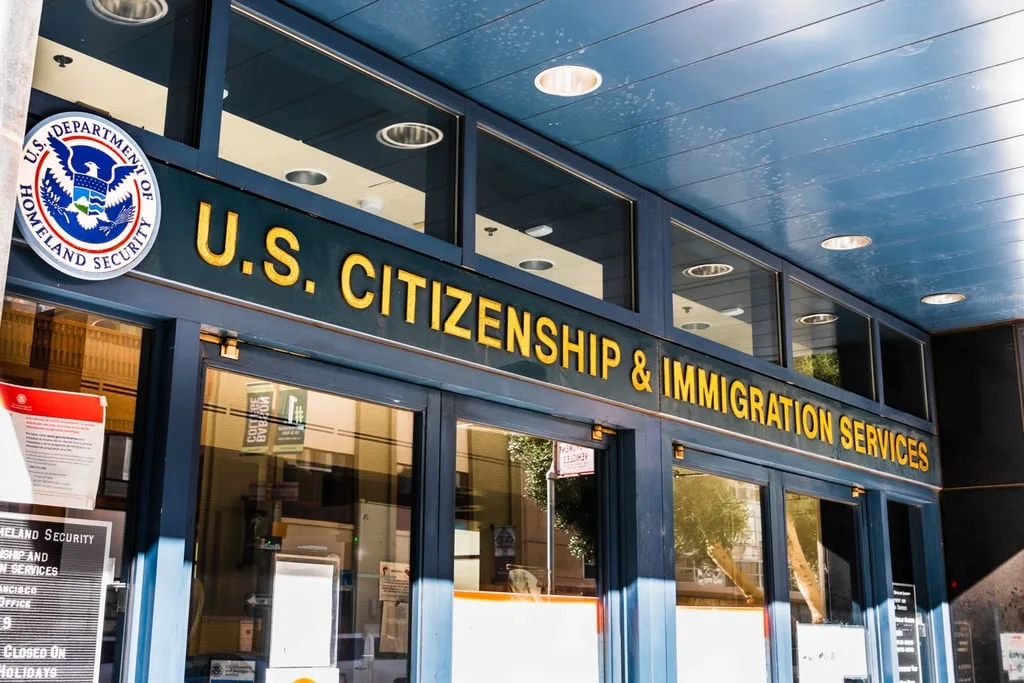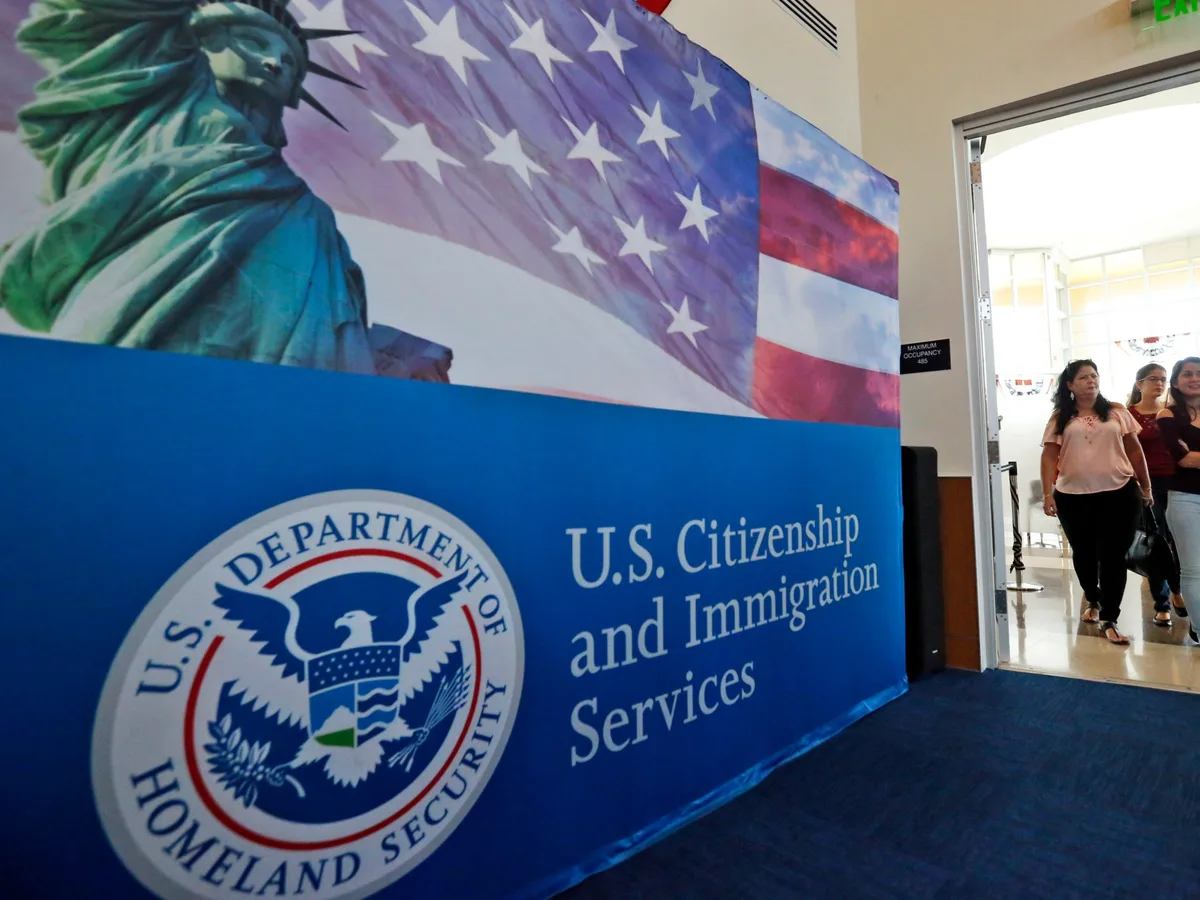
US federal judge John McConnell ruled on June 5, 2026, that policies adopted by US Citizenship and Immigration Services under the Trump administration unlawfully barred applicants from 39 countries from receiving decisions on asylum, work permits, green cards, and citizenship [1, 2]. The blocked countries are primarily located in Africa, Asia, Latin America, and the Middle East [1, 2].
The policies were adopted starting in November 2025, following a Washington DC shooting that killed two National Guard members [2]. Judge McConnell criticized the Trump administration’s stated national security justification as a cover for anti-immigrant sentiments, saying the USCIS applied "pretextual concerns of ‘national security’ that mask anti-immigrant sentiments" [2]. He noted, "USCIS’s hold on adjudications cannot be attributed to anything that these individuals did wrong; rather, it arises solely by the happenstance of their birth" [2].
The judge added these policies "threw the lives of countless immigrants living in the United States into indeterminate legal limbo" and left many without work authorization, legal status, or the ability to plan their futures for over six months [1, 2].
The lawsuit challenging these policies was filed in March by immigrant service organizations and labor unions [1]. Separately, the Trump administration in January 2026 paused immigrant visa processing from 75 countries, citing risks of social service dependence [2]. The administration also set a record low refugee cap at 7,500 before increasing it by 10,000, and prioritized relocation of White Afrikaners, a move that drew criticism as racist [2].
Judge McConnell’s ruling blocks the enforcement of the November 2025 USCIS policies and requires a resumption of processing cases from affected countries. The decision offers relief to thousands of immigrants previously stalled in the federal immigration system [1, 2].