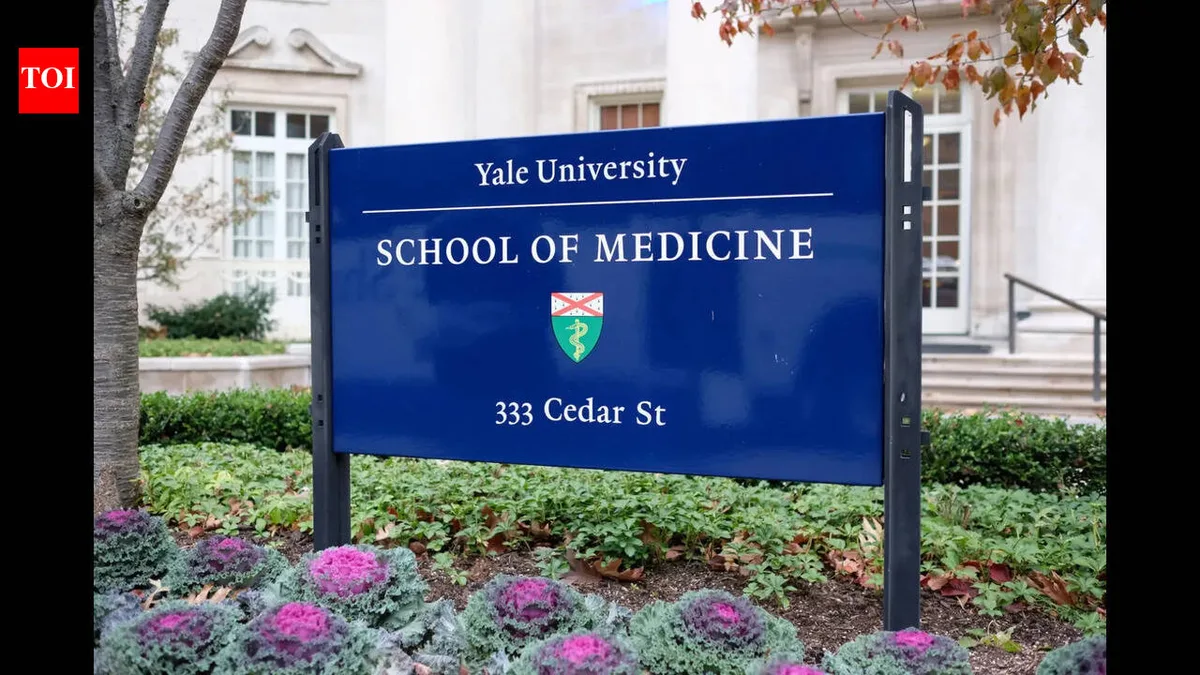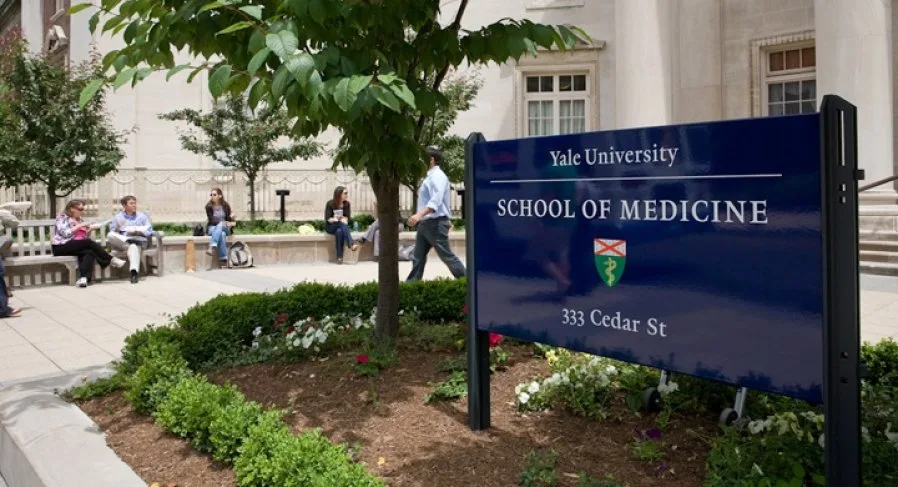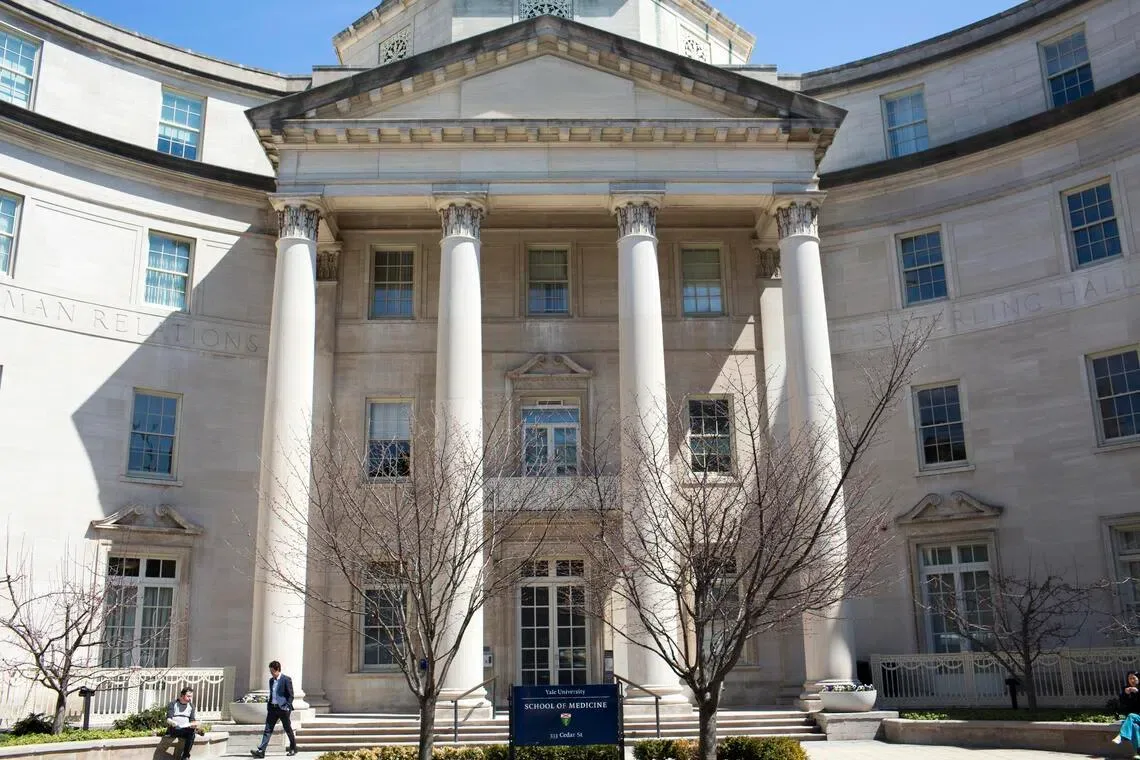
On May 14, 2026, the US Justice Department publicly charged Yale School of Medicine with violating federal anti-discrimination laws by intentionally discriminating against white and Asian applicants in its admissions decisions [1, 2, 3, 4, 5, 6, 7]. The department’s investigation, which lasted one year, found that Yale favored Black and Hispanic applicants over white and Asian candidates with similar or even superior academic credentials [1, 2, 3, 4, 5, 6, 7]. According to Justice Department findings, Black and Hispanic students had a much higher chance of admission than white and Asian students with equivalent test scores and achievements [2, 3, 4, 5, 6]. For example, Black applicants were 29 times more likely to receive interviews than Asian applicants with comparable academics [3].
The Justice Department said Yale used holistic review processes—including interviews—to indirectly determine an applicant’s race and ethnicity, thus applying racial preferences that circumvented the 2023 Supreme Court ban on race-based affirmative action [1, 3, 6, 7]. The 2023 Supreme Court ruling declared affirmative action based solely on race unlawful but permitted consideration of applicants’ racial experiences [1, 4, 5, 7]. However, the Justice Department interprets this ruling broadly, forbidding both direct and indirect use of race in admissions, which Yale allegedly violated [1, 3, 6].
“Yale has continued its race-based admissions program despite the Supreme Court and the public’s clear mandate for reform,” said Ms. Harmeet K. Dhillon, Assistant Attorney General for the Civil Rights Division [6]. Another Justice official stated, “Yale’s documents show that its leadership intentionally selected applicants based on their race” [5]. Ms. Harmeet Dhillon added, “This department will continue to shed light on these illegal practices, and demand that institutions of higher education comply with federal law” [1].
Yale School of Medicine defended its admissions process, saying, “The students we admitted demonstrate exceptional academic achievement and personal commitment. We are confident in the rigorous admissions process,” and that it would “carefully review the Department of Justice’s letter” [1, 4, 5, 7]. The school receives approximately $680 million in NIH funding annually, underscoring its significant role in medical research and training [2].
The Justice Department is seeking a voluntary agreement to bring Yale’s admissions into compliance with federal law [4, 5]. This accusation is part of wider efforts by the current administration targeting top US medical schools for alleged race-based preferences. Earlier investigations targeted UCLA medical school, and probes are ongoing at Stanford, Ohio State, and UC San Diego medical schools. The department sued Harvard University earlier this year seeking admissions data related to race policies [1, 2, 3, 4, 5, 6].
The timeline of events began with the 2023 Supreme Court ruling banning race-based affirmative action except for considering racial experiences. In February 2026, the Justice Department sued Harvard over admissions data, followed by investigations into Stanford, Ohio State, and UC San Diego medical schools in March. On May 6, the department accused UCLA medical school of discrimination. The Yale announcement came on May 14, 2026 [1, 3, 4, 5, 6, 7].
Next steps will focus on whether Yale agrees to a voluntary settlement to revise admissions policies to comply with federal law.