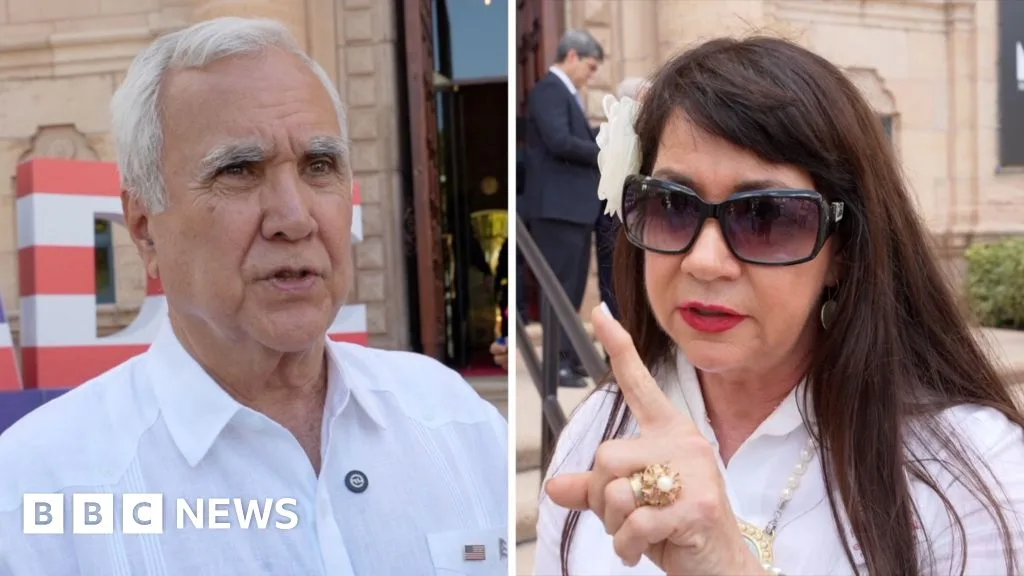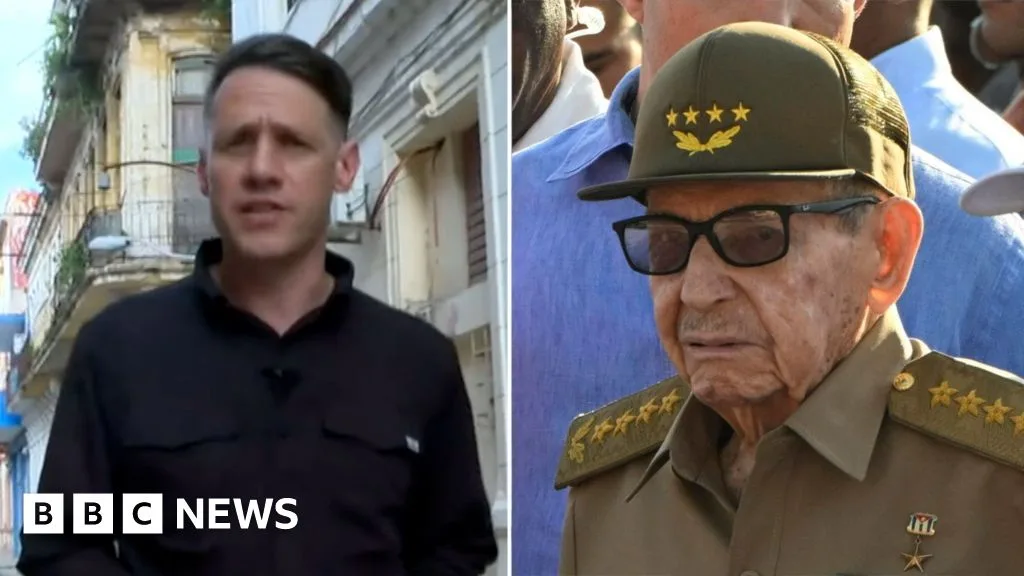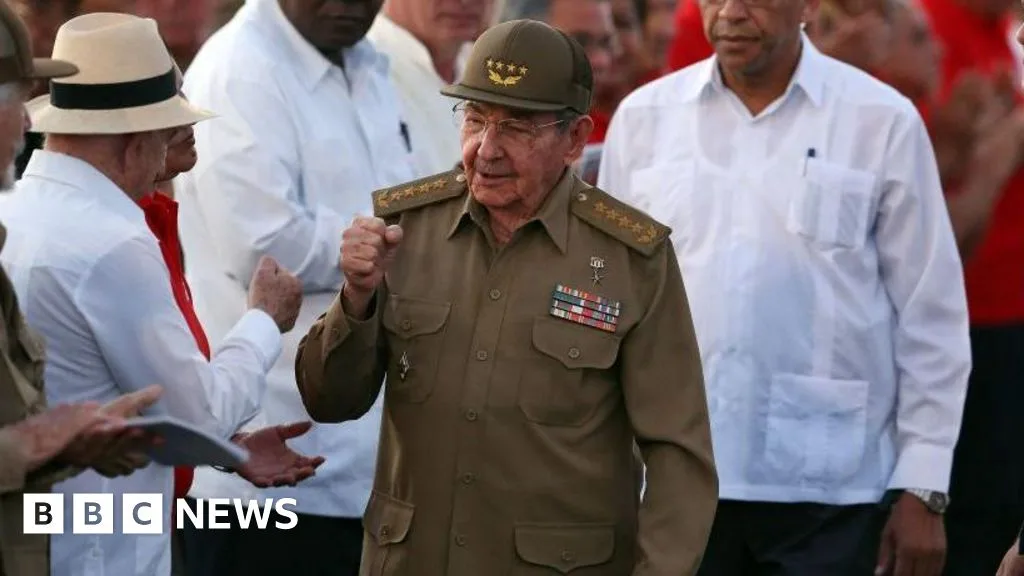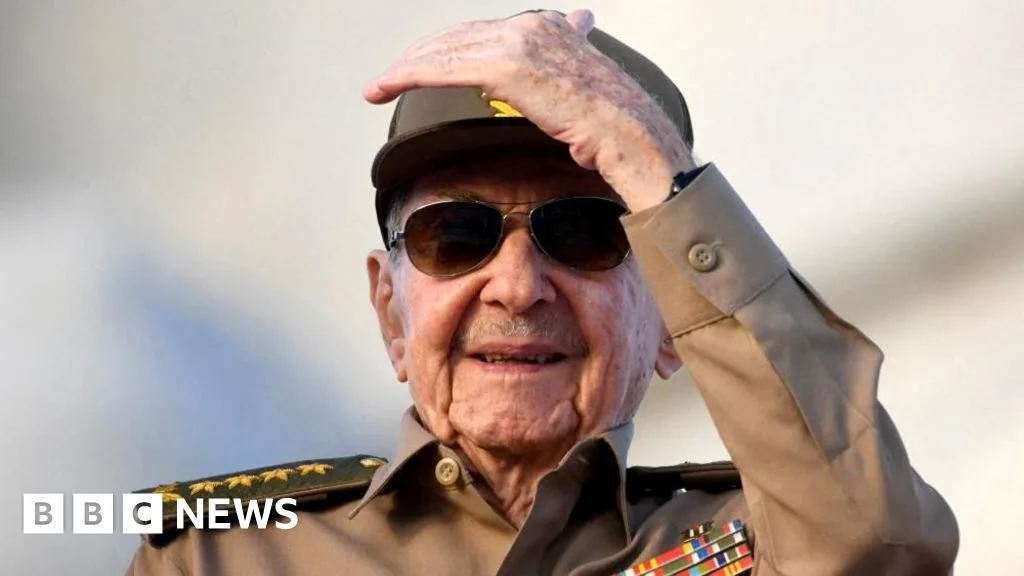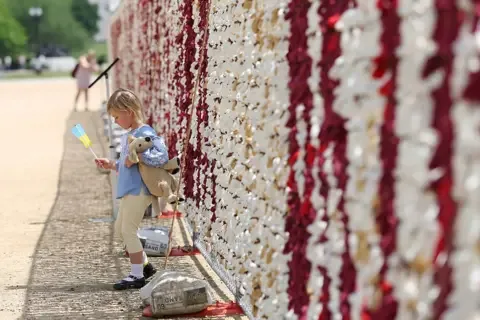
The United States has charged former Cuban leader Raúl Castro with conspiracy to kill US nationals, murder, and destruction of aircraft for his alleged role in the 1996 downing of two civilian planes operated by Cuban-American group Brothers to the Rescue. The charges were unsealed on May 20, 2026, by the US Department of Justice, implicating Castro and five others in the attack that killed four people, including three Americans: Armando Alejandre Jr, Carlos Alberto Costa, and Mario Manuel de la Peña, along with Pablo Morales [1, 2, 3].
At the time of the incident on February 24, 1996, Castro was head of Cuba's armed forces and is accused of authorizing the shooting down of the planes over international airspace north of Cuba, roughly 145 km from Florida [1, 2, 4]. The attack involved Cuban MiG jets firing on the aircraft, which were engaged in search-and-rescue related missions for Cuban refugees [1, 2, 5].
The indictment follows original charges filed in 2003 but was brought into renewed focus by a US federal grand jury in Miami earlier this year, on April 23, 2026, before being publicly unsealed last week [1, 5, 3]. US Acting Attorney General Todd Blanche said at a press event at Miami's Freedom Tower, "The United States, and President Trump, does not, and will not, forget its citizens" [1].
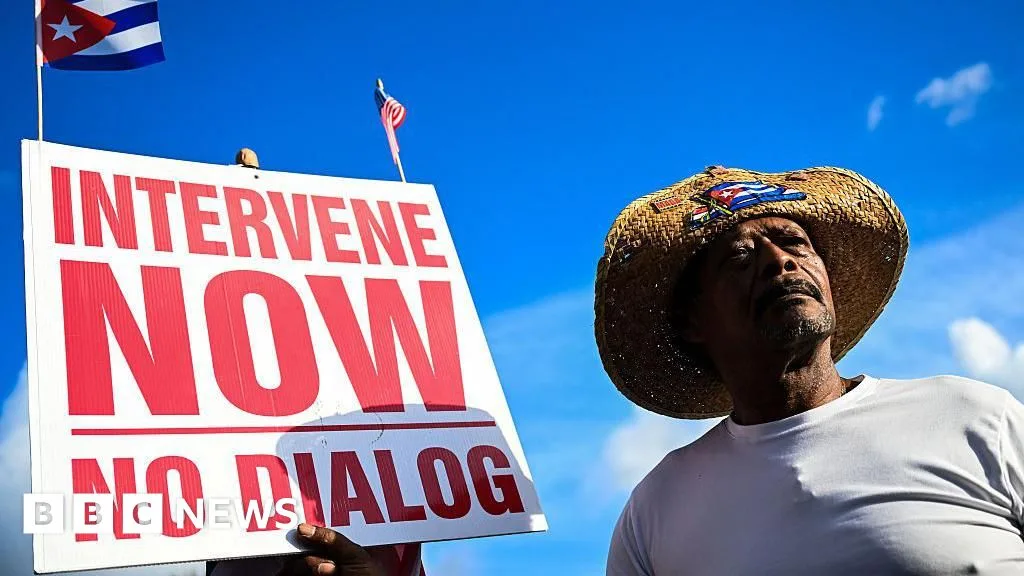
Raúl Castro, aged 94 and who stepped down as Cuba's president in 2018 but remains influential, is unlikely to face trial in the US given his age and political circumstances [6, 7, 2]. Some US lawmakers, including Florida Senator Rick Scott, have called for capture operations similar to those against Venezuela's Nicolás Maduro, with Scott stating, "We shouldn't take anything off the table. The same thing that happened to Maduro should happen to Raul Castro" [7]. However, Cuba's Foreign Minister Bruno Rodriguez condemned the charges as "an illegal farce aimed at covering up Cuba’s self-defensive action," and Cuban President Miguel Díaz-Canel described the move as "a political manoeuvre, devoid of any legal foundation" [1, 4].
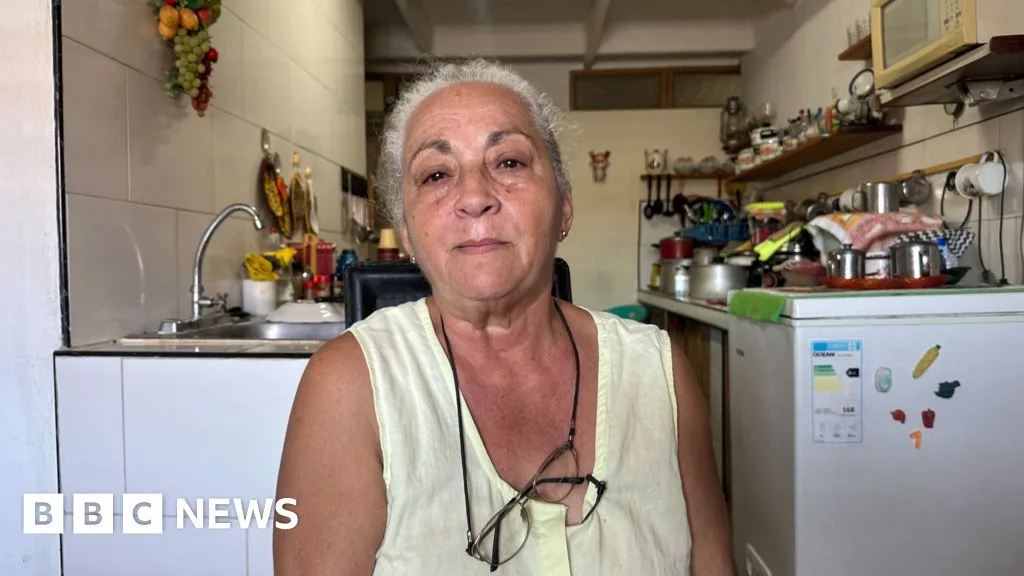
The US has also maintained sanctions and a blockade on fuel shipments to Cuba, which the Cuban government says contribute to widespread blackouts and food shortages [1, 8, 3]. Secretary of State Marco Rubio criticized Cuba's leadership for corruption and theft, offering $100 million in aid to the Cuban people while urging a new political path, stating, "President Trump is offering a new path between the US and a new Cuba" [1, 9, 3].
China condemned US pressure on Cuba, calling for an end to coercion and reaffirming support for Cuba's sovereignty [8, 10]. US officials have not confirmed any plans for military intervention, with sources indicating President Trump does not seek escalation despite some calls from lawmakers for stronger actions [7, 4].
The United States will continue legal proceedings against Castro and the co-defendants as the case develops.