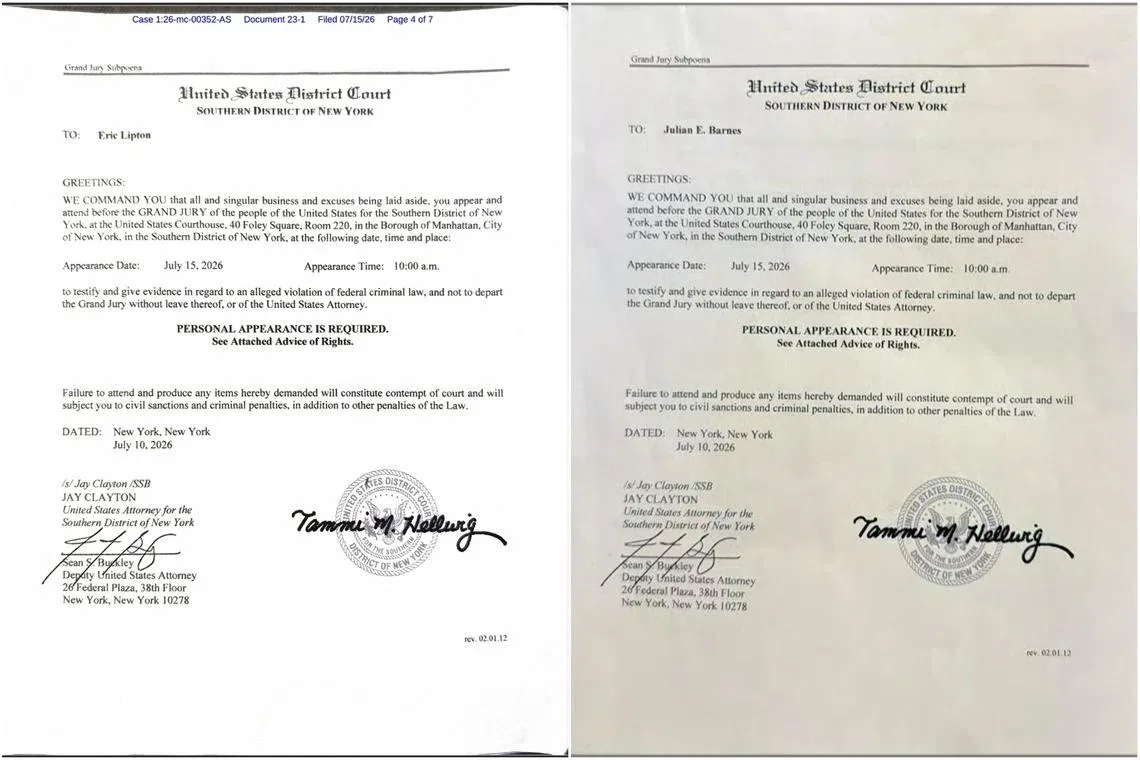
The US Department of Justice withdrew subpoenas targeting New York Times reporters that requested phone records and grand jury testimony related to coverage of security concerns about a Qatari-built Air Force One jet linked to former President Donald Trump [1, 2, 3].
The subpoenas sought information from reporters and their family members, which the New York Times called a “brazen effort to intimidate the press” [2, 3]. The government said journalists were not the targets, but rather individuals leaking classified information [3].
The case drew sharp criticism from US District Judge Arun Subramanian, who said subpoenas against reporters should be "the last thing you do." He added, "When you see something like this, if this were a civil proceeding, what I would normally do is ask the parties to show causes why sanctions should not be issued" [3]. During a July 23 hearing, he pressed Justice Department lawyers intensely and offered, "Either we can quash the subpoenas, or you could withdraw the subpoenas" [2, 3].
The New York Times reporters had filed a motion on July 15 to quash the subpoenas demanding grand jury testimony, which set the stage for the July 23 hearing [2]. On July 24, Judge Subramanian issued an order confirming the subpoenas were withdrawn and the motions to quash were moot [2].
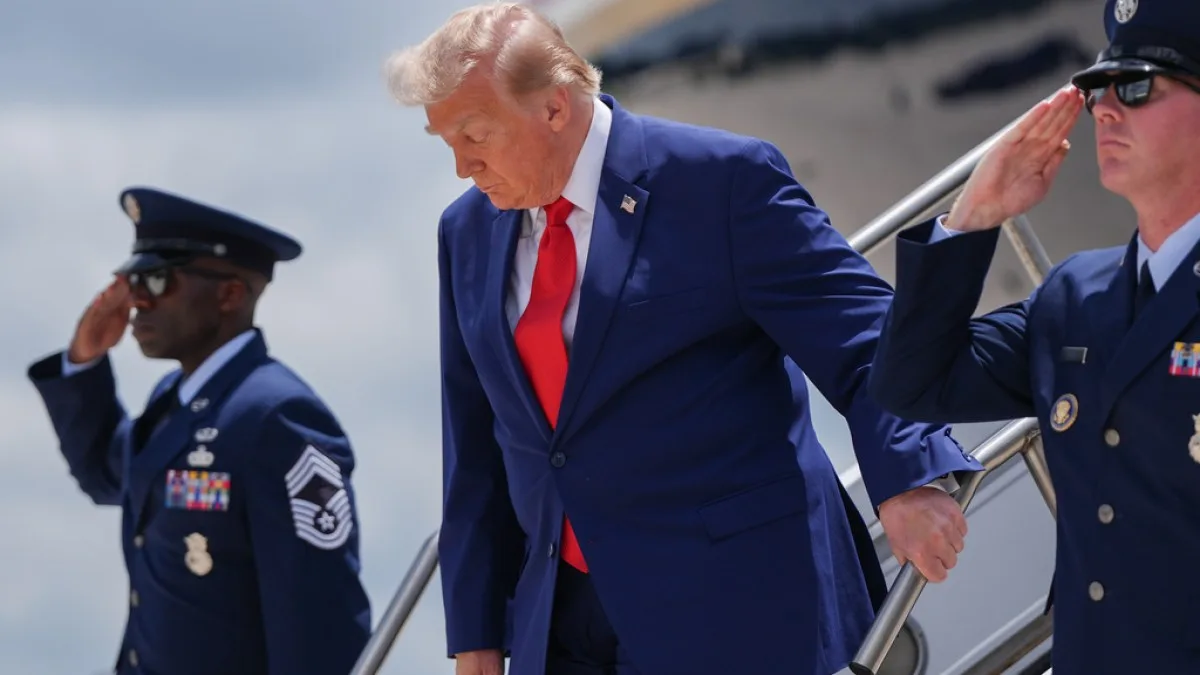
The underlying investigation focused on security issues linked to a $400 million retrofit and upgrade of the new Air Force One jet, built in Qatar, which is intended to transport former President Trump [3].
The withdrawal of subpoenas ends the legal battle over compelled testimony of journalists in this case, at least for now.