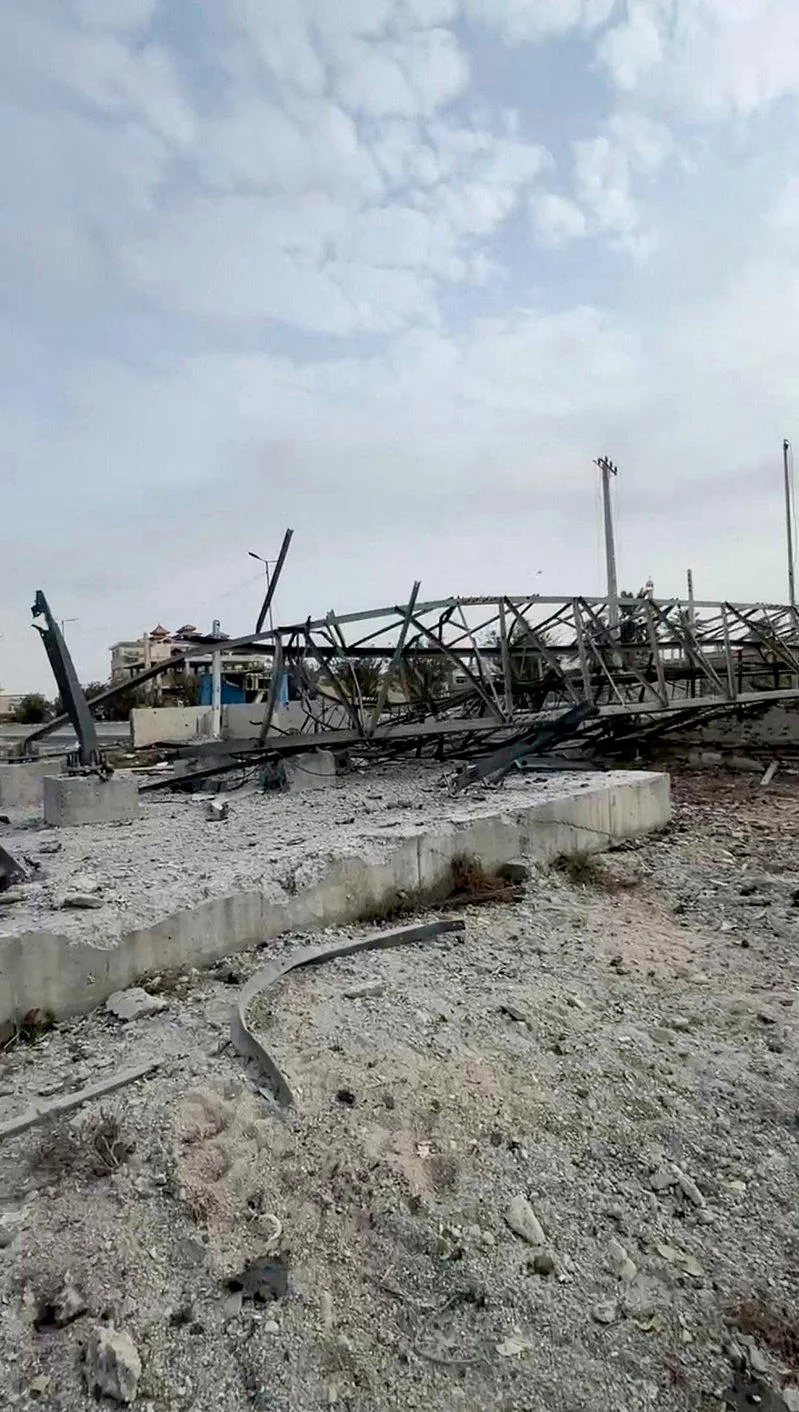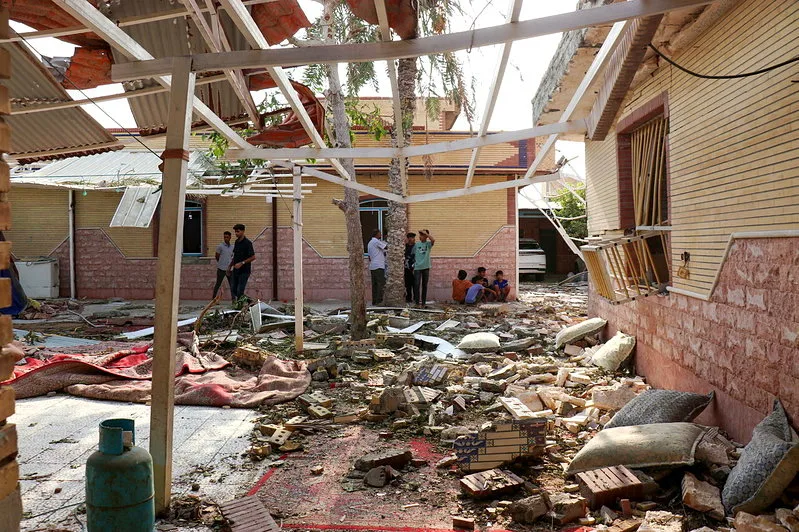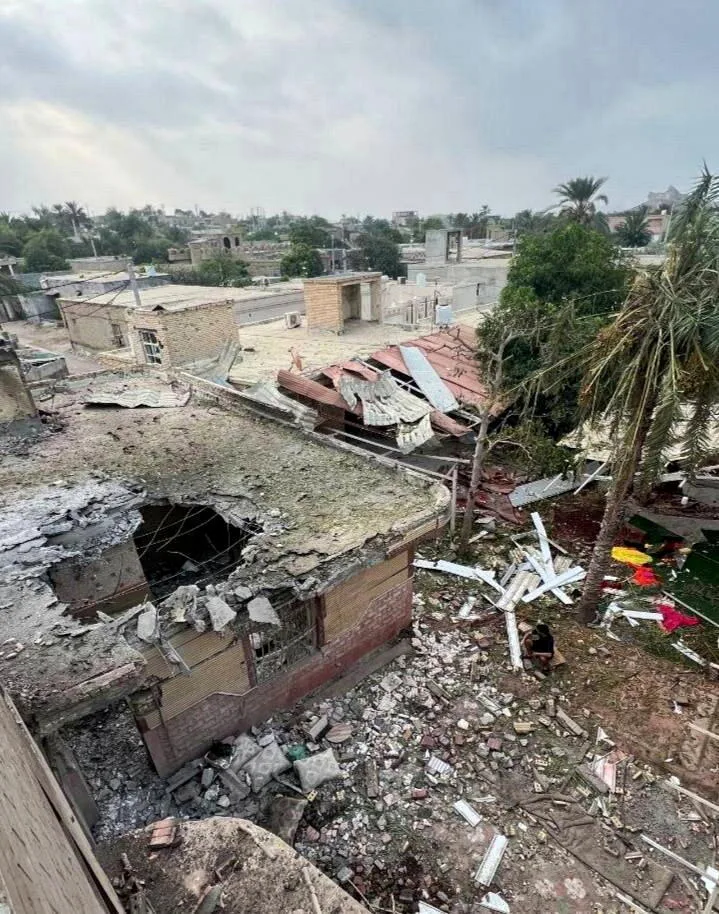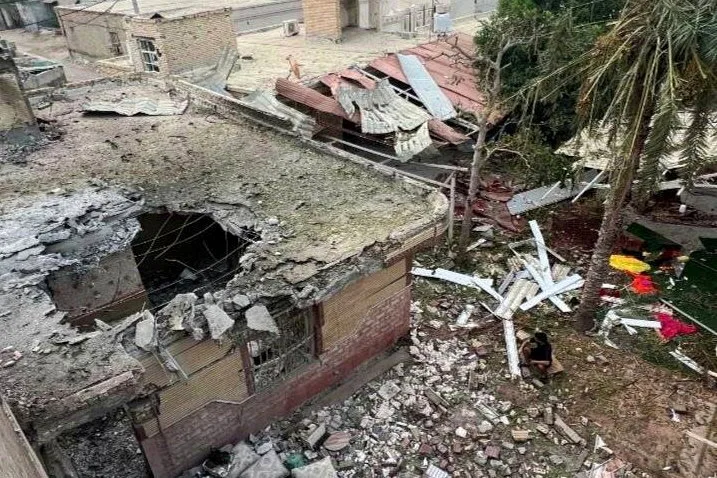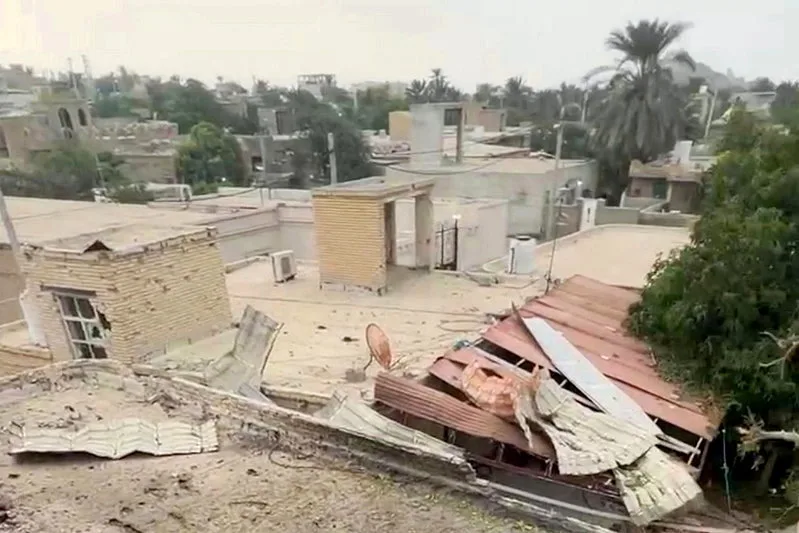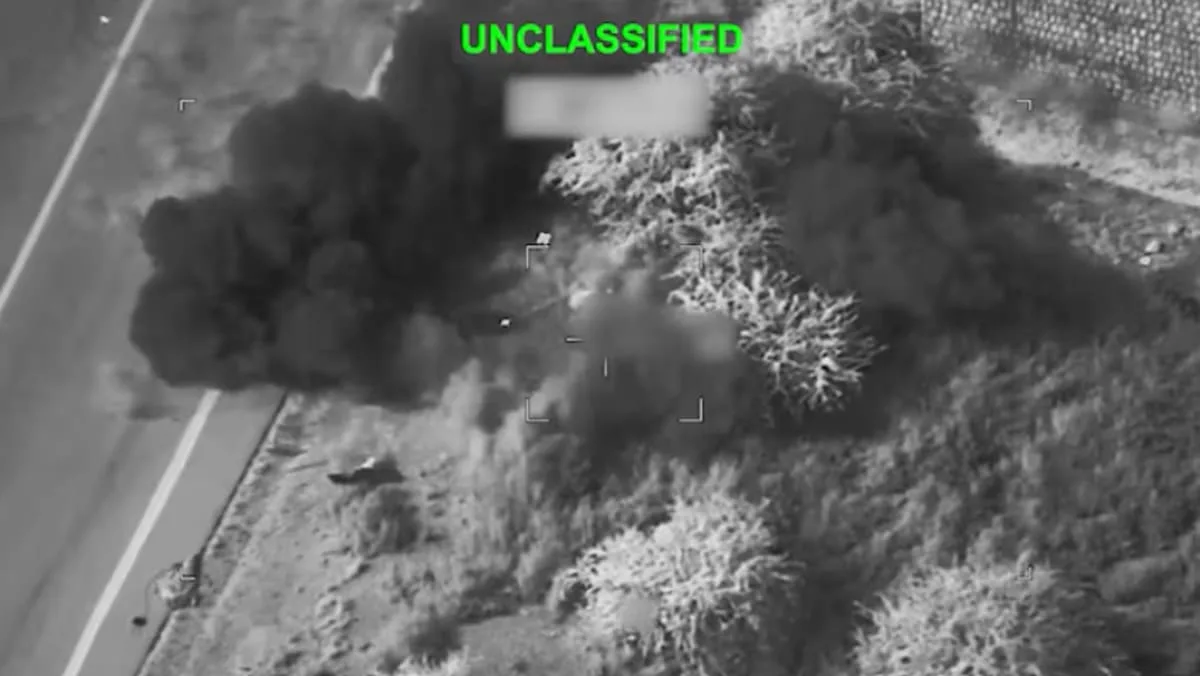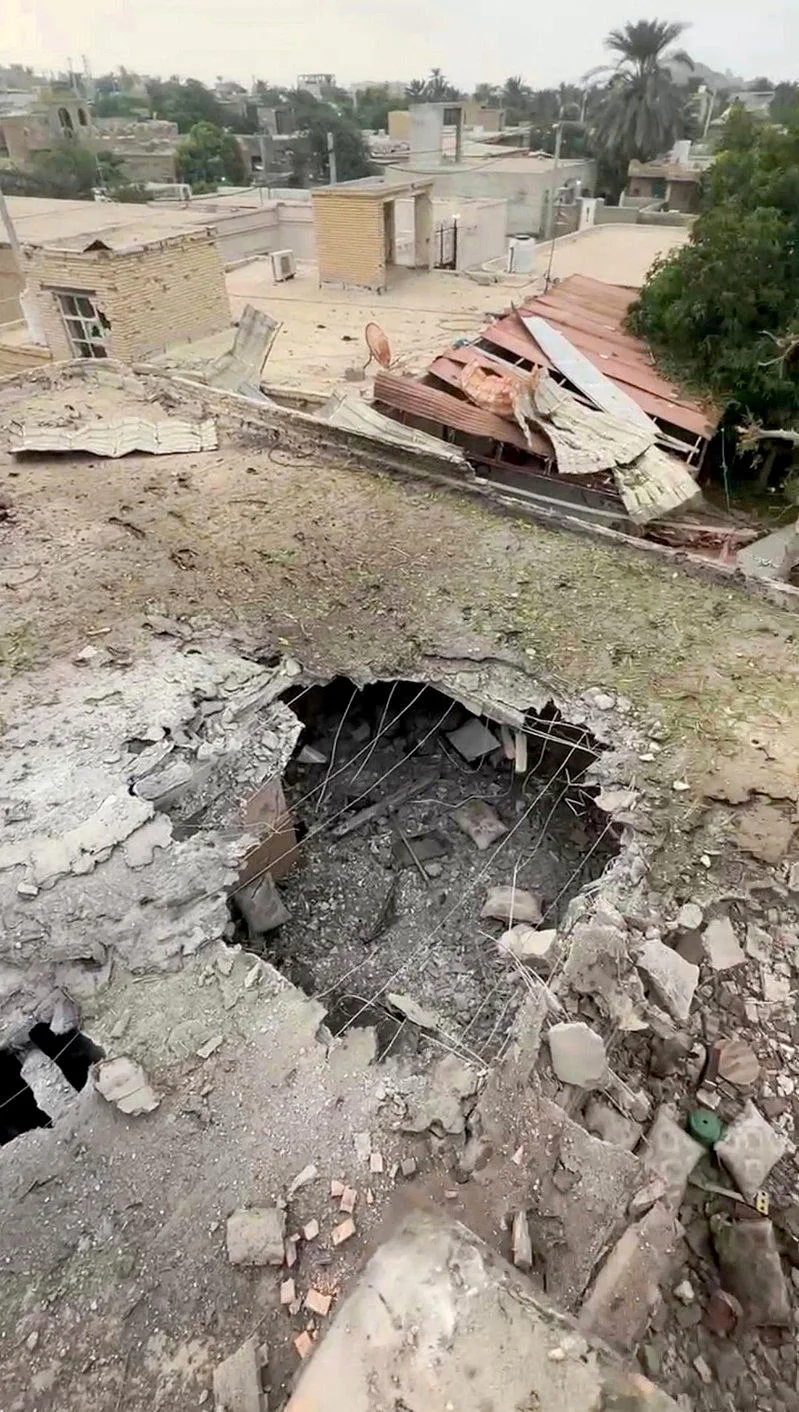
On September 1, the US conducted large-scale airstrikes against Iranian military sites along Iran's southern coast. Targets included air defense systems, radar installations, maritime military facilities, mine-laying capabilities, and communication centers [1, 2, 3, 4, 5, 6, 7, 8, 9, 10, 11]. The strikes resulted in civilian casualties after hitting a wedding celebration in Kuhestak, Iran, killing 4 people—including a 4-year-old child and a 16-year-old rider—and injuring at least 68 others [1, 2, 3, 4, 6, 7, 8, 12, 10, 11]. Eyewitnesses described the night of the attack as "like the end of the world," reflecting the intensity of the bombing [2, 5, 11].
US military investigations into the wedding bombing are ongoing. Weapons experts analyzing photos and videos confirmed by Reuters say the damage is consistent with direct hits from US munitions such as 500-pound bombs or JSOW glide bombs, rather than debris or Iranian missile defense fire [3, 4, 6, 7]. Iranian officials denounce the attack as a war crime and claim a total of 18 killed and 108 wounded in this round of US strikes, including members of the Revolutionary Guards and Basij militias [1, 2, 5, 6, 8, 10].
In response, Iran launched missile and drone attacks against US military bases in Bahrain, Jordan, Kuwait, and Iraq. The retaliation aims to pressure the US to withdraw its troops from the Middle East [1, 2, 5, 8, 9, 10, 11]. Several Gulf states, including Qatar and Bahrain, condemned Iran’s attacks and reported intercepting Iranian drones; Qatar hosts the region’s largest US airbase [2, 5, 8, 9, 10, 11]. Despite Iranian claims of US casualties at bases in Jordan and northern Iraq, US officials deny any American deaths in the clashes [2, 5, 8, 9, 10, 11].
Iran also accused the US of involvement in mine attacks on two oil tankers passing through the Strait of Hormuz under US escort. The US maintains that oil shipments continue uninterrupted and energy supplies remain stable, with more than 17 million barrels shipped via the strait as of August 31 [2, 5, 8, 9, 10, 11].
President Donald Trump declared, "Last night’s strikes were fierce and we remain ready to strike again," highlighting the administration’s stance [1]. Israeli Defense Minister Israel Katz warned Israel is prepared to respond with "strong force" if Iran attacks during Jewish holidays starting mid-September [2, 5, 8, 10, 11]. Iranian officials threatened more destructive retaliation and cautioned countries cooperating with the US will face consequences [1, 2, 5, 8, 9, 10, 11].
US Vice President JD Vance said on September 3 that investigations into the wedding bombing are underway and expressed concern, but emphasized the US has ended major combat operations with Iran while focusing on protecting commercial oil transport. He ruled out negotiations until Iran stops targeting commercial ships [3, 4, 7].
The clashes mark the largest US-Iran confrontation since July 2026, following escalating strikes that began in February. The US maintains over 50,000 military personnel and about 20 warships in the region. The situation continues to pose risks to Middle East stability and global energy flows as the US heads into November midterm elections [1, 2, 3, 5, 8, 9, 10, 11].