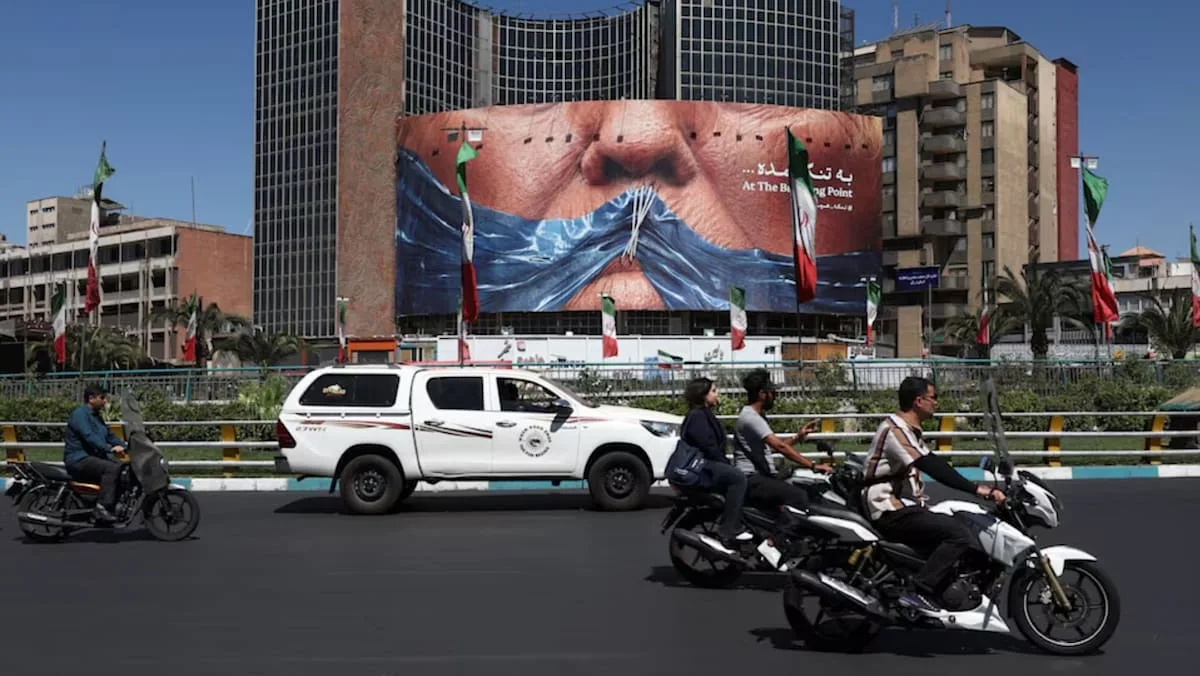
The United States conducted a series of airstrikes against Iranian Revolutionary Guard targets on Larak Island near the Strait of Hormuz on August 30-31, 2026, focusing on rocket launchers capable of deploying sea mines and other military facilities [1, 2, 3, 4, 5, 6]. In response, Iran launched missile and drone attacks on US military bases located in Jordan, the United Arab Emirates, Kuwait, Bahrain, and Iraq. Although the attacks caused some damage, many Iranian missiles were intercepted [1, 2, 3, 4, 6].
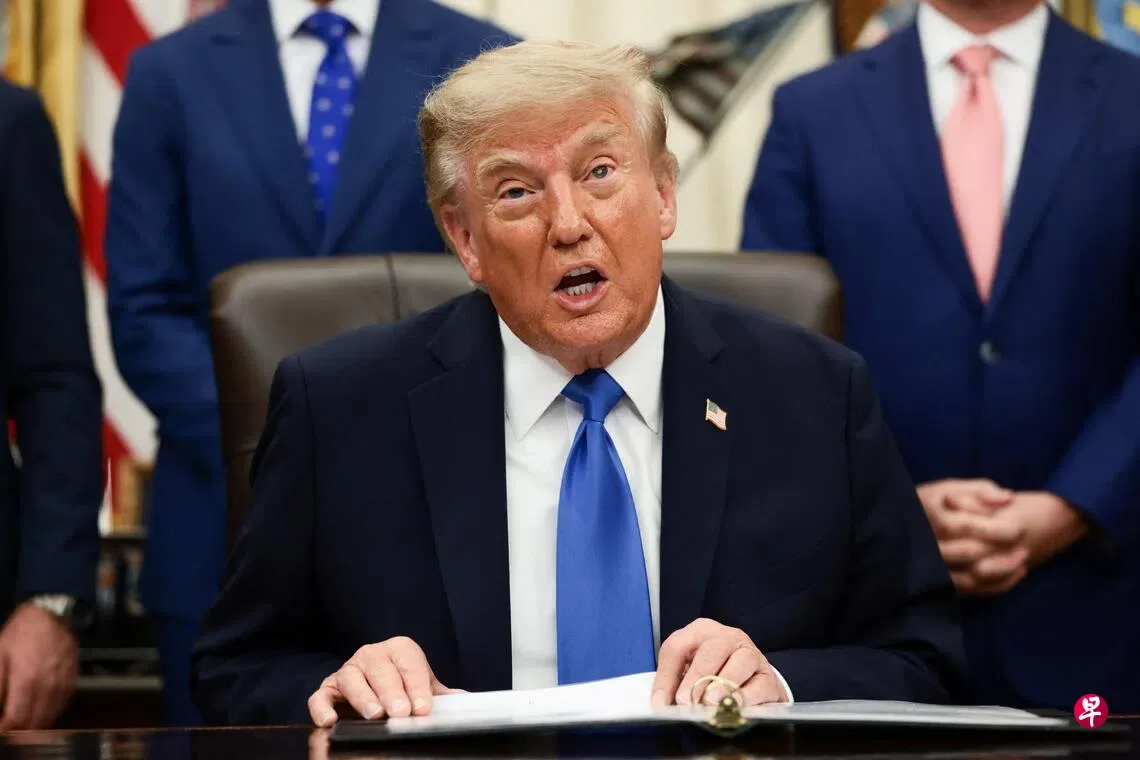
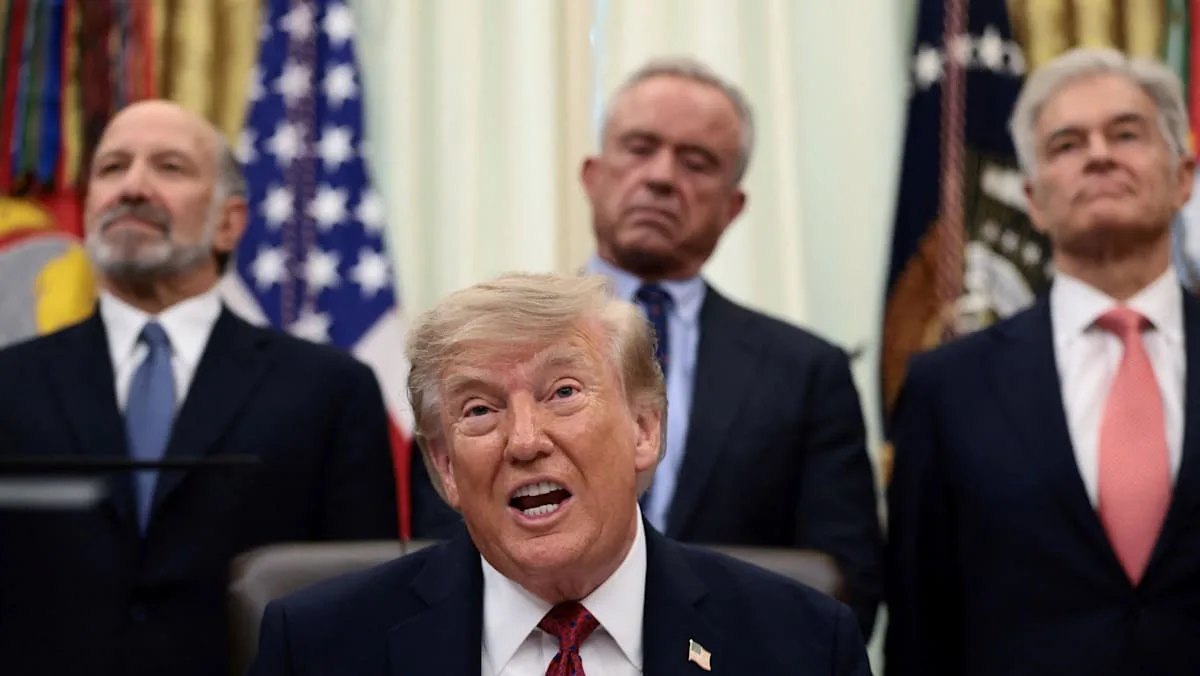
On August 31, US President Donald Trump threatened Iran with a "severe blow," stating, "There will be a response," and described the conflict as a smaller war while asserting US control over the Strait of Hormuz [1, 7, 2, 8, 4, 9, 6]. Trump proposed renaming the Strait the "Trump Strait" to claim symbolic control, though he later dismissed the suggestion as a joke [7].
The clashes escalated on September 1, when US Central Command launched massive airstrikes against approximately 100 Iranian targets in southern Iran. These included missile launchers, radar stations, air defenses, ammunition depots, and drone facilities. The strikes involved over 50 warplanes and cruise missiles [6]. During these operations, two Iranian government oil tankers were struck by US drone missiles, marking the first direct US attack on Iran's energy transport assets [6].
The current exchanges represent the largest US-Iran military firefight since July 2026. Tensions remain high as the two nations continue tit-for-tat attacks that risk broader regional escalation [7, 8, 9, 6]. US officials reportedly seek to limit escalation before the November 2026 midterm elections, with some considering scaling up military actions afterward, although this intention is not universally confirmed [9, 6].
Public opinion polls show limited domestic support for the conflict, with only 33% of US adults approving of Trump's overall performance amid the clashes, while 71% disapprove of his handling of rising living costs, particularly fuel prices [1, 6].
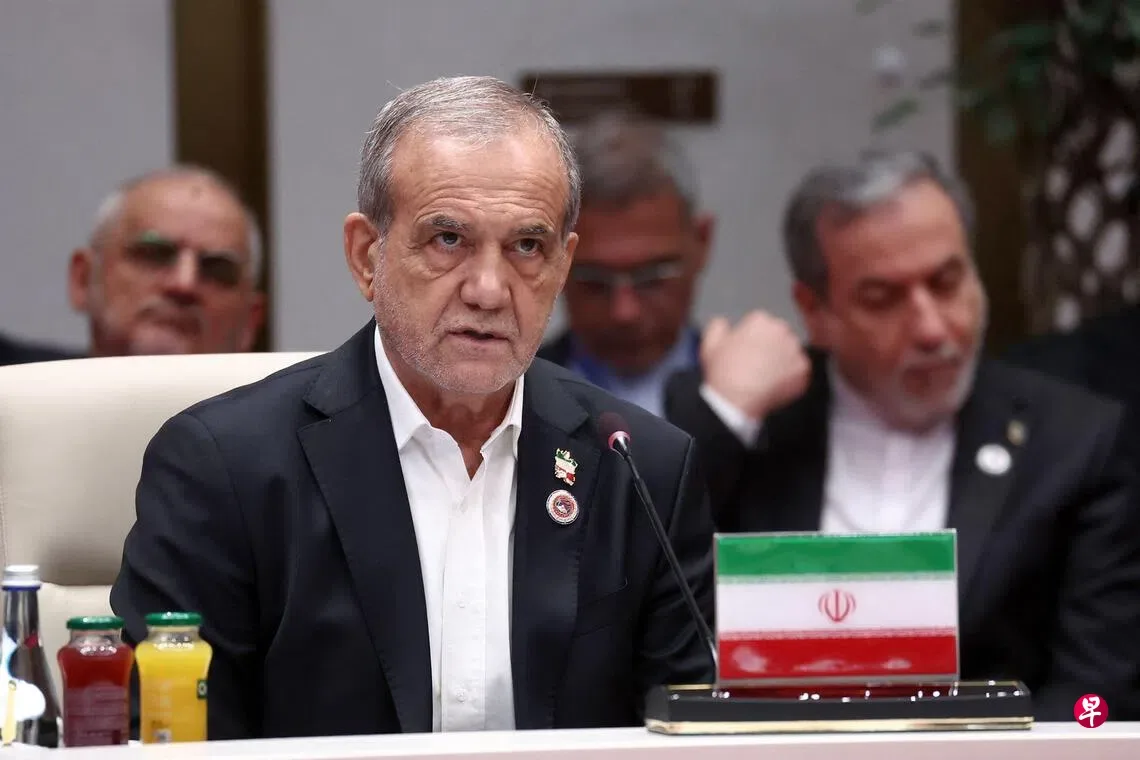
Iranian President stressed a preference for dialogue and cooperation to resolve the crisis, stating, "Continuing the war does not serve the interests of Iran or the Middle East." Iranian Foreign Minister Ali Bagheri-Kani added, "If the US fulfills its commitments, everything can return to normal" [1, 4].
On September 2, Trump said the new US military action "will not last too long" but warned the US remained ready for further strikes if necessary, reaffirming control over the Strait of Hormuz [7, 8, 9, 6].