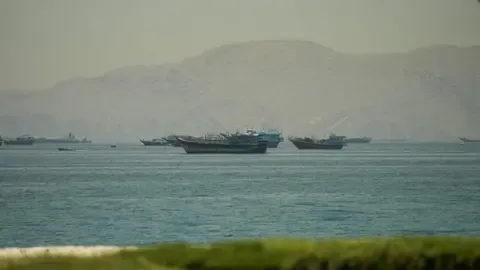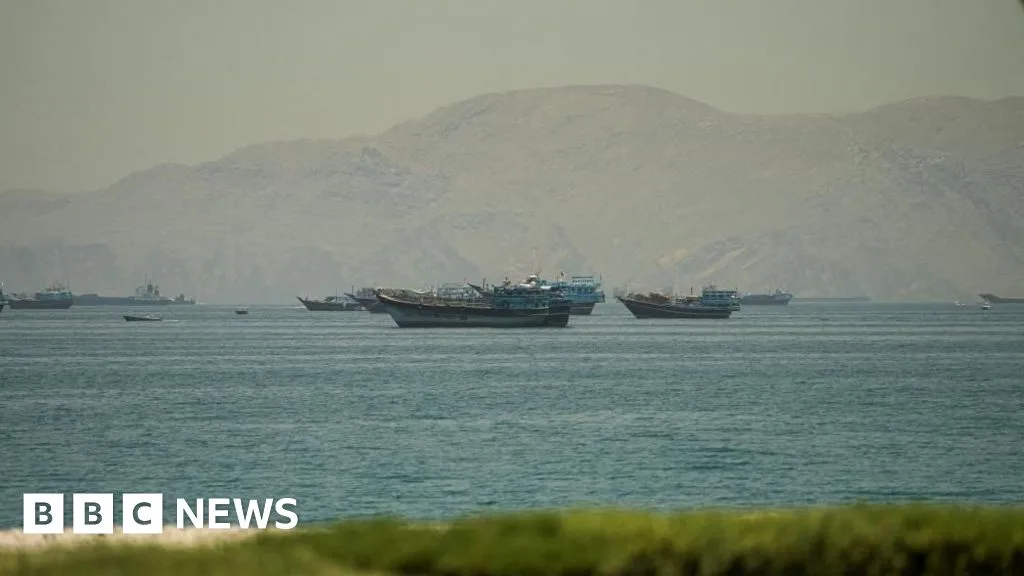
The US Central Command conducted self-defense strikes on May 25 targeting Iranian missile launch sites and boats attempting to lay mines near Larak Island in southern Iran by the Strait of Hormuz [1, 2, 3, 4, 5, 6]. The attacks aimed to protect US forces from threats posed by Iranian forces, according to US officials [1, 2, 3, 4, 5].
Iran condemned the strikes as a "gross violation" of the ceasefire agreed on April 8, 2026, warning it is ready to retaliate. The Iranian Foreign Ministry called the US actions "illegal and unjustified," accusing the US military of violating the ceasefire in the Hormozgan region [1, 5, 6, 7, 8]. iran also claimed several Revolutionary Guard personnel were killed during the attacks, though US sources have not confirmed casualties [2, 4, 9].
On May 26, the Iranian Revolutionary Guard Corps reported firing on US F-35 fighter jets and drones entering Iranian airspace and claimed to have shot down a US MQ-9 Reaper drone [4, 5, 6]. On the same day, Iran's Revolutionary Guards said the risk of full-scale war with the US remained low but stated they are prepared for future attacks [7, 8]. Mohammad Akbarzadeh, deputy political chief of IRGC Navy, said, "The possibility of war is low because of the enemy’s weakness. The armed forces are lying in wait with full magazines" [7].
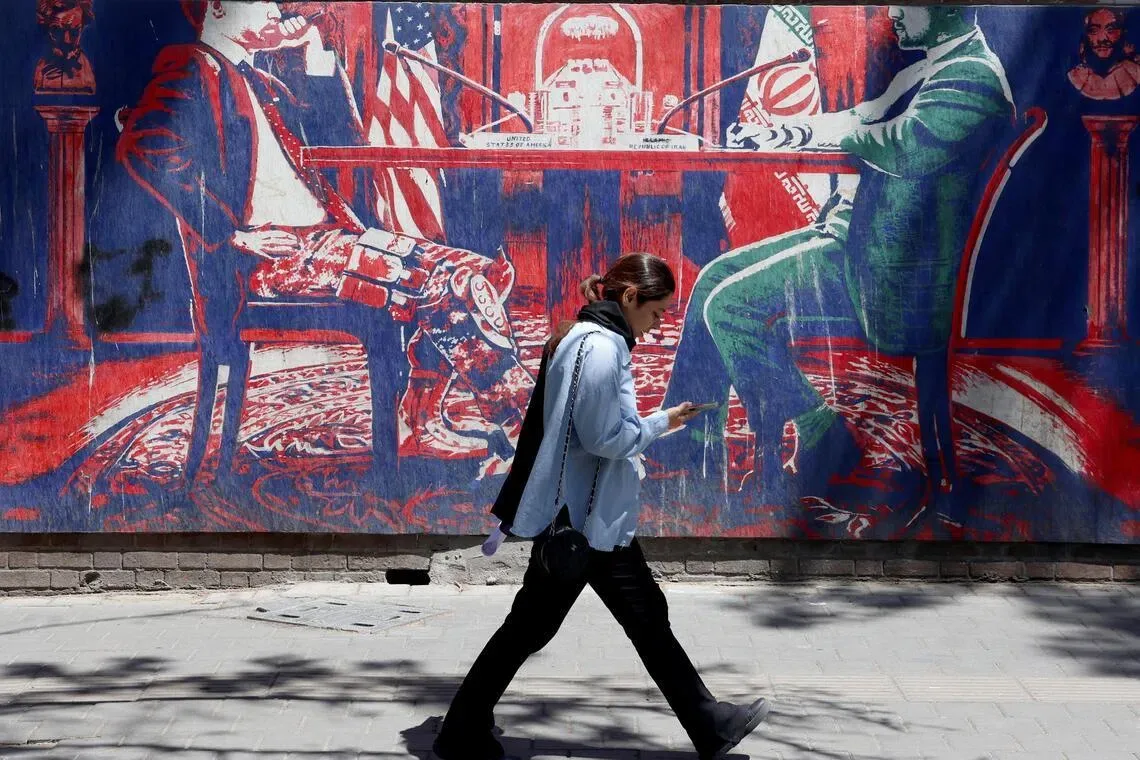
Ongoing peace negotiations between the US and Iran, mediated by Pakistan and held in Qatar, focus on a possible ceasefire extension, unfreezing billions of dollars in Iranian funds frozen abroad, reopening commercial shipping through the Strait of Hormuz, and Iran's uranium stockpile [1, 2, 3, 4, 7, 8]. The Strait of Hormuz is a critical waterway through which 20% of the world's oil passes [1].
US Secretary of State Marco Rubio stated on May 26 that talks continue over specific language in an initial draft framework agreement. He added, "The straits have to be open they’re going to be open one way or the other," signaling pressure to restore shipping access [1, 3, 4, 5]. Reports indicate Iran has received the draft framework agreement, including terms to lift the naval blockade and resume commercial shipping subject to verification [8].
US President Donald Trump said, "It will only be a Great Deal for all, or no Deal at all," indicating pressure from hawkish members of his party opposed to unfreezing funds and Iran's nuclear activities [2, 3, 4, 9].
Meanwhile, Israeli airstrikes against Lebanon continued on May 26, killing at least 31 civilians, including children, intensifying tensions in the region [10, 7, 8]. China called on all sides to respect ceasefires and resolve disputes peacefully [5, 6].
The ceasefire between the US and Iran took effect seven weeks ago on April 8, 2026, and the current talks seek to extend that truce amid ongoing tensions [1, 2, 5, 7].