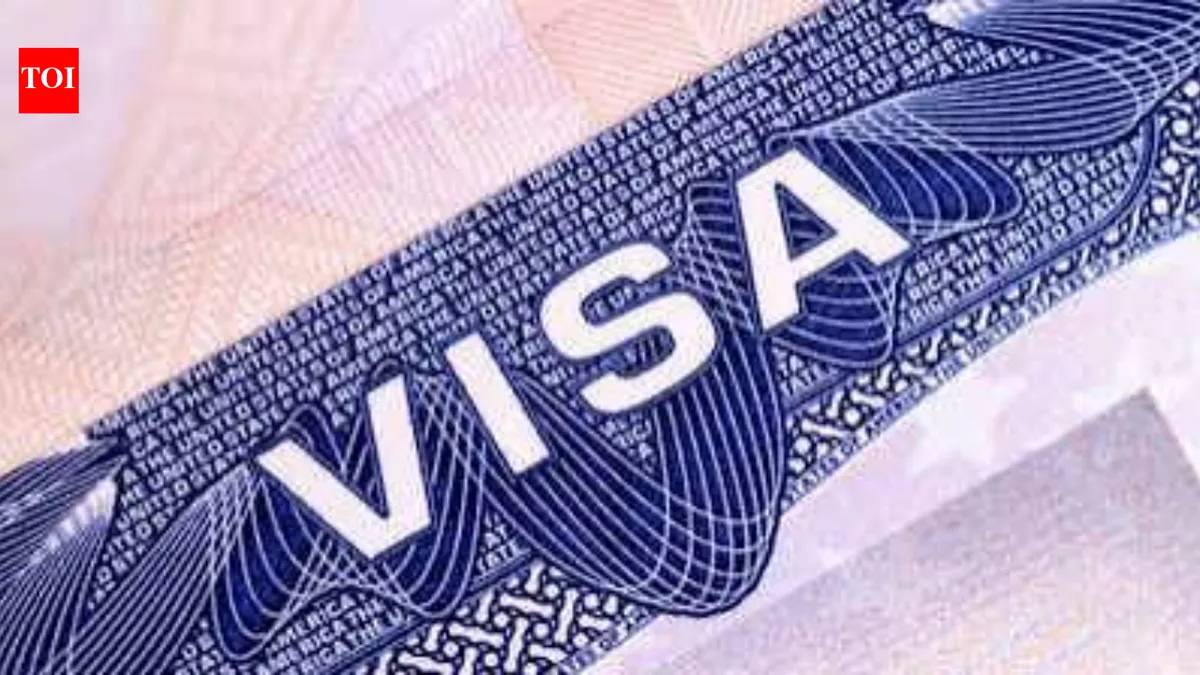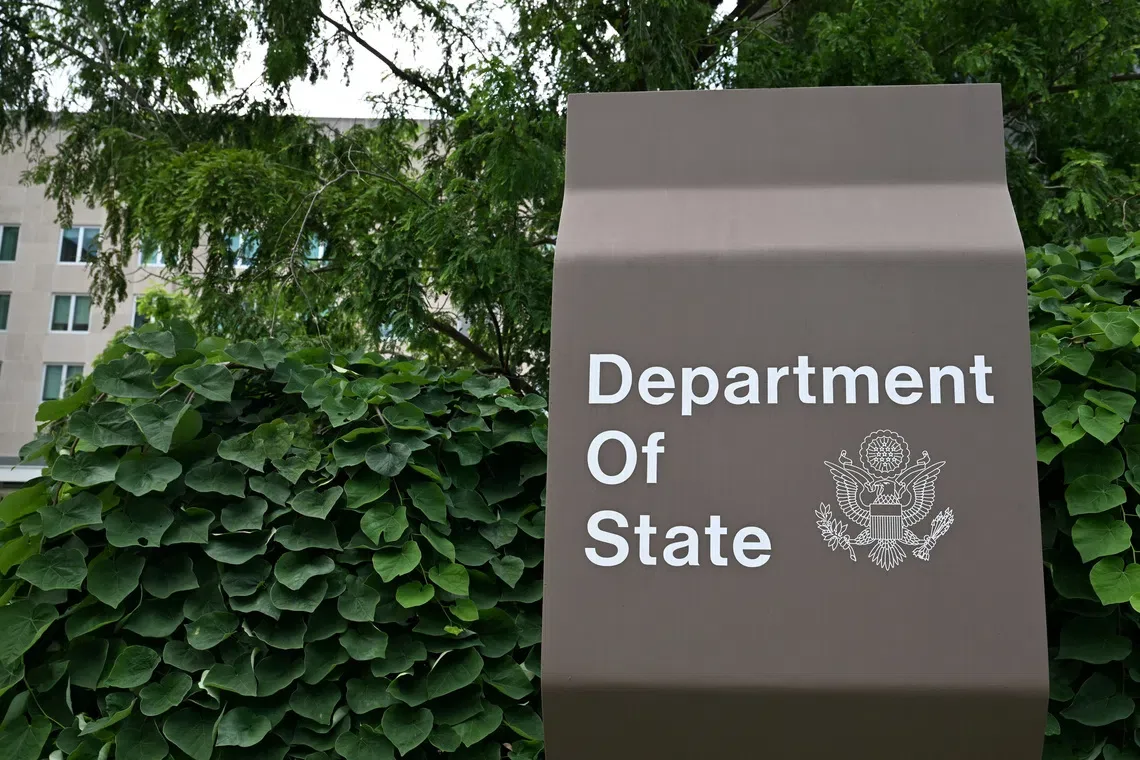
The US State Department made permanent a visa bond programme affecting applicants from 50 countries, mostly African nations, for B1 and B2 nonimmigrant visas for business and tourism travel. The programme allows consular officers to require refundable bonds of up to $20,000 as a condition of visa issuance, a change effective August 3, 2026 [1, 2, 3].
About 30 of the countries covered are in Africa, including Algeria, Angola, Nigeria, and Zimbabwe. The policy applies case-by-case at the discretion of consular officers, with bonds intended to reduce visa overstays and improve compliance with visa terms [1, 4].
The final regulation raised the maximum bond from $15,000 to $20,000 while removing the previous $5,000 bond option. This follows a 2025 pilot programme that allowed bonds of $5,000, $10,000, or $15,000. The pilot reduced overstays sharply, from nearly 45,500 before implementation to fewer than 50 after 10 months among affected countries. The State Department had initially estimated 2,000 applicants would be bonded but found about 20,000 actually paid bonds during the pilot [1, 5].
The State Department described the visa bond programme as "an effective tool for enforcing compliance among bonded visa holders" [1]. Applicants who comply with visa terms and bond conditions receive full refunds of their bond amounts [2, 5].
Critics say the requirement places heavy financial burdens on applicants from poorer countries and deters legitimate travel for business, study, and family visits. Human rights advocates have stated that the Trump administration’s immigration policies, including the bond programme, violate due process and free speech and foster racial profiling. Former President Donald Trump defended the policy as necessary to bolster national security and reduce illegal immigration [1, 5, 6].
The policy was published as a final rule on July 31, 2026, and took effect on August 3, 2026 [1, 7]. The visa bond programme applies only to business and tourism visas under categories B1 and B2 [1].