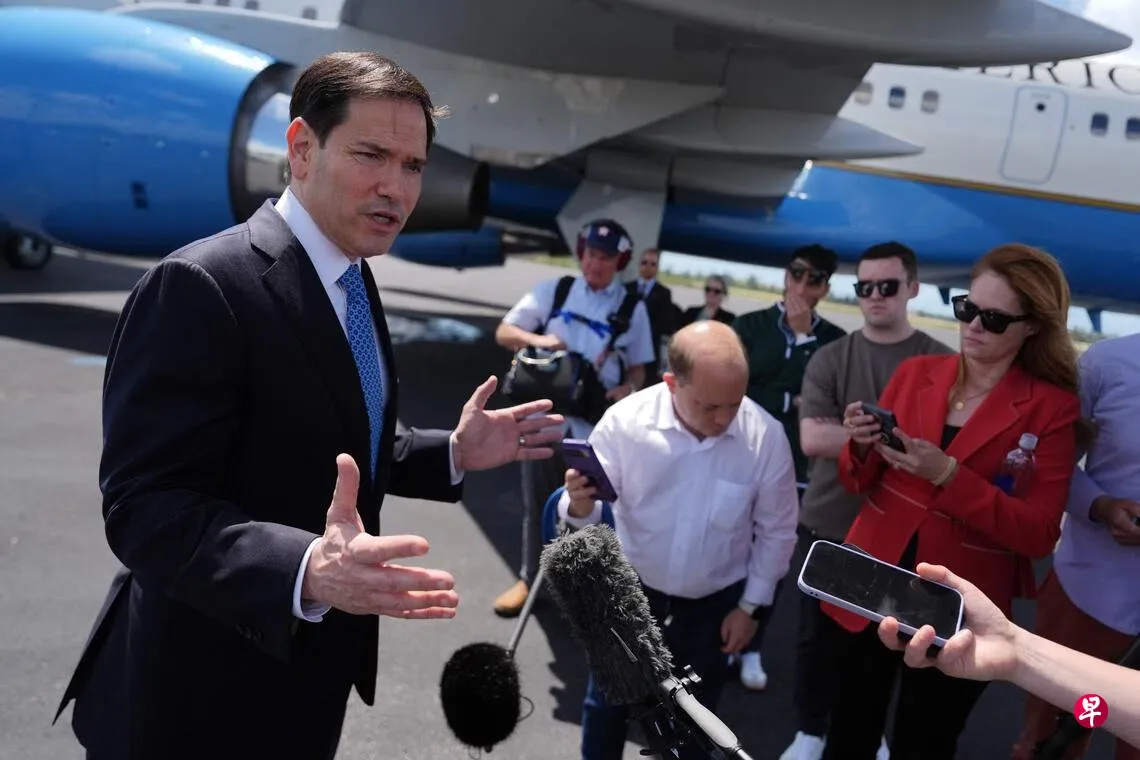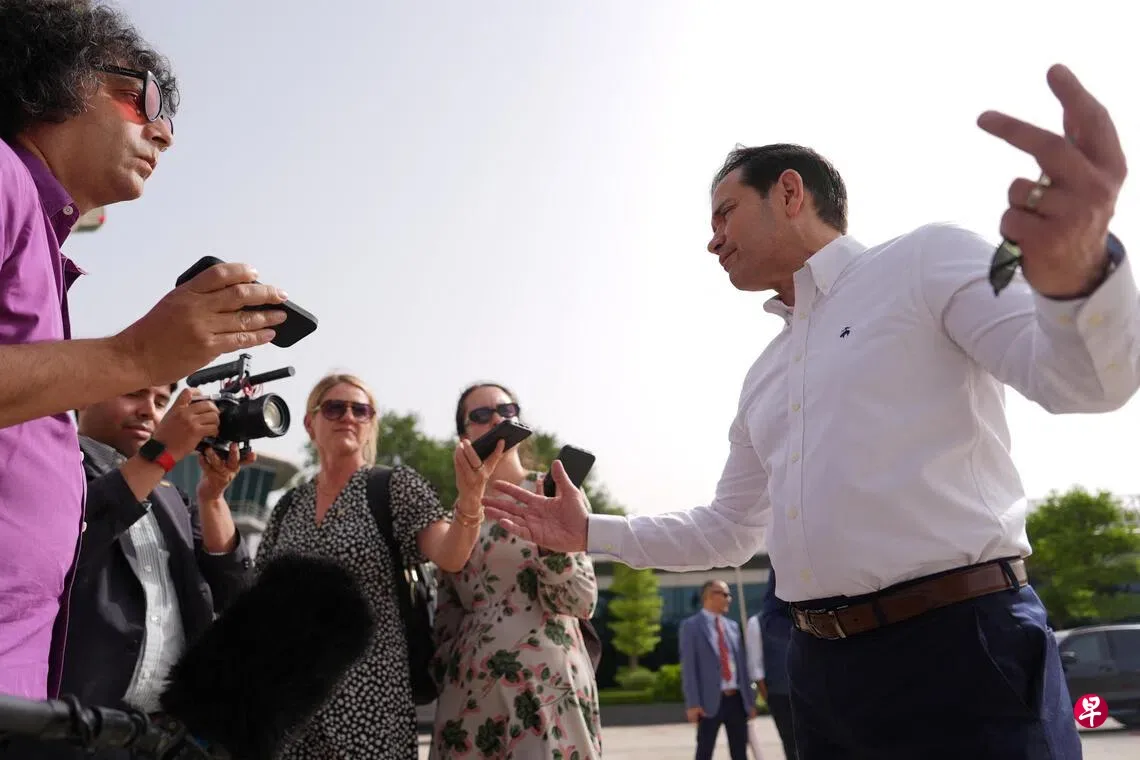
The United States and Iran remain sharply divided over Iran's enriched uranium stockpiles and control of the Strait of Hormuz, but negotiators have noted some "good signs" in recent discussions, US Secretary of State Marco Rubio said on May 21, 2026 [1]. Rubio said, "确实有一些好迹象,但我不想过于乐观……所以,让我们看看未来几天会发生什么。" Meanwhile, US President Donald Trump vowed not to allow Iran to retain enriched uranium and said, "我们会弄到手。我们不需要也不想要……但我们决不让他们拥有(浓缩铀)" [1].
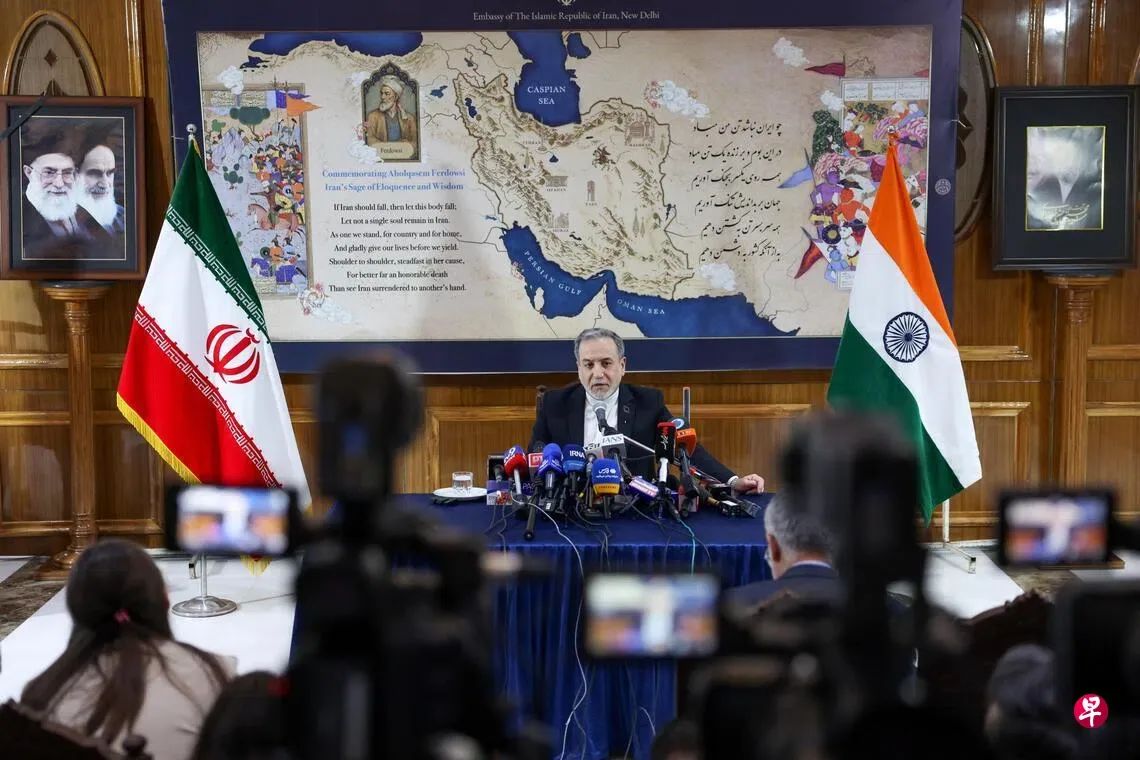
Iran's supreme leader has banned transferring enriched uranium abroad, complicating talks aimed at limiting Tehran's nuclear program [1]. Iran's foreign ministry stressed persistent serious differences with the US and said a deal was not near [2]. Iran's foreign minister criticized the US for "contradictory, excessive demands and breaking promises," blaming Washington for slowing negotiations [3]. He said, "美国屡次背信弃义、对伊朗进行军事侵略……阻碍巴基斯坦斡旋谈判进程的因素。"
Rubio suggested a peace agreement might be reached as soon as May 23, 2026, possibly within days [4, 5]. However, Iran denied that an imminent deal or nuclear commitments were in place, despite consensus on many issues [6, 7]. The two sides diverge on whether talks have actually reached a breakthrough.
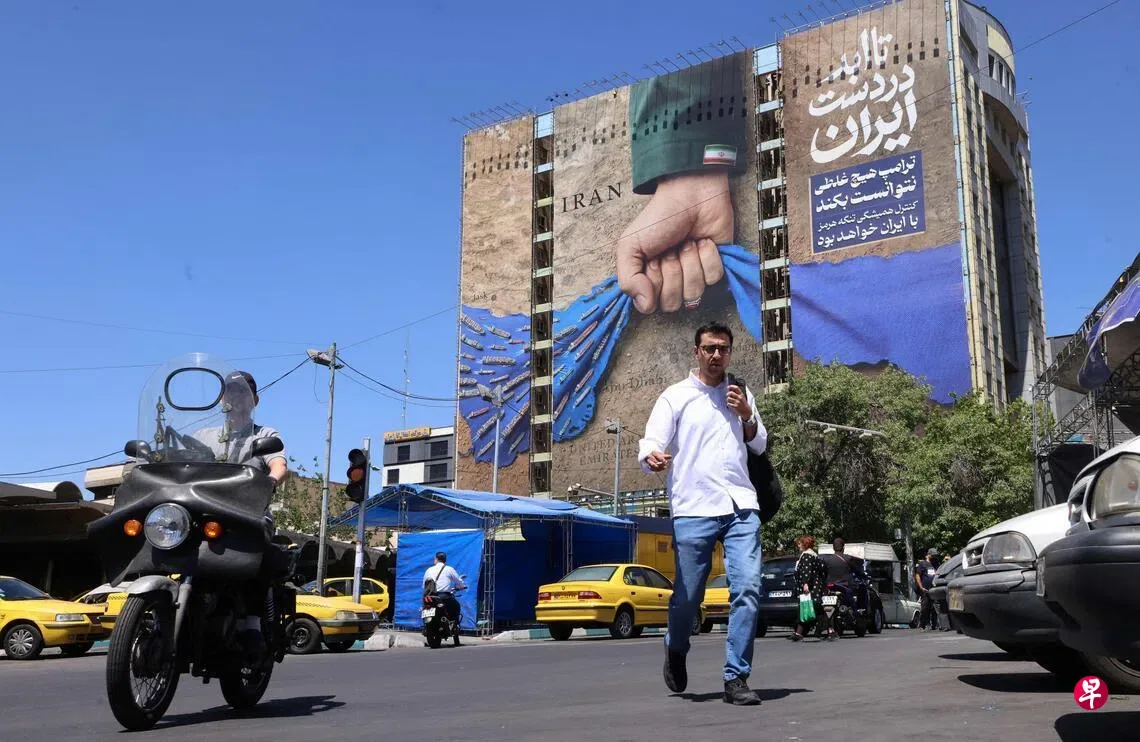
Negotiations reportedly involve drafting a 60-day memorandum of understanding with potential extensions [8]. US officials say Iran has agreed in principle to reopen the Strait of Hormuz, prompting the US to lift its maritime blockade and address uranium concerns [7]. The US military's blockade caused over 100 ships to divert routes in the last six weeks [5].
President Trump emphasized the US will hold out only for a "great meaningful deal" and instructed negotiators not to rush an agreement [9, 7]. Rubio warned diplomacy will be pushed to the limit but said, "我们要么与伊朗达成一项好协议,要么'以另一种方式'处理伊朗" [9]. The US has not ruled out military responses, with the possible designation "Operation Sledgehammer" being considered if hostilities resume against Iran [10, 11, 12]. The previous US military campaign, "Operation Epic Fury," ended after 40 days following a ceasefire in early April [10, 11, 12].
Israel's Prime Minister Netanyahu and military officials stressed any deal with Iran must eliminate the nuclear threat completely. They affirmed readiness to resume military action if necessary [7].
On May 25, Iran reiterated that no immediate agreement exists despite broad consensus, while Trump and Rubio reiterated demands for a strong deal or no deal [6, 9, 7]. The US continues to evaluate diplomatic and military options as negotiations proceed. The draft memorandum and related terms are expected to be finalized soon, setting a 60-day initial timeframe for implementation [8, 9].