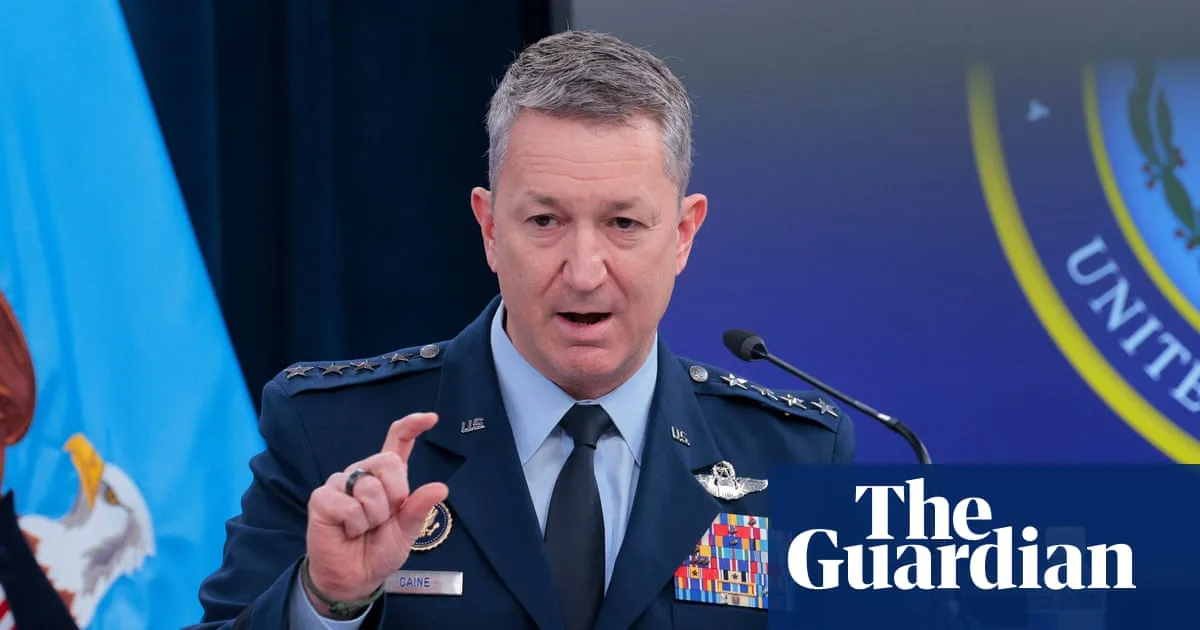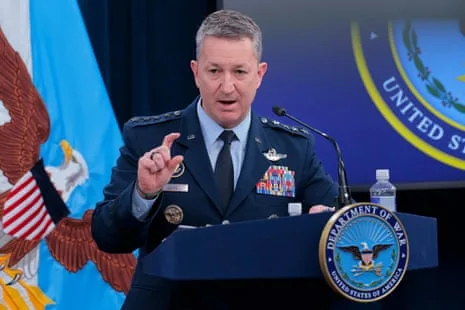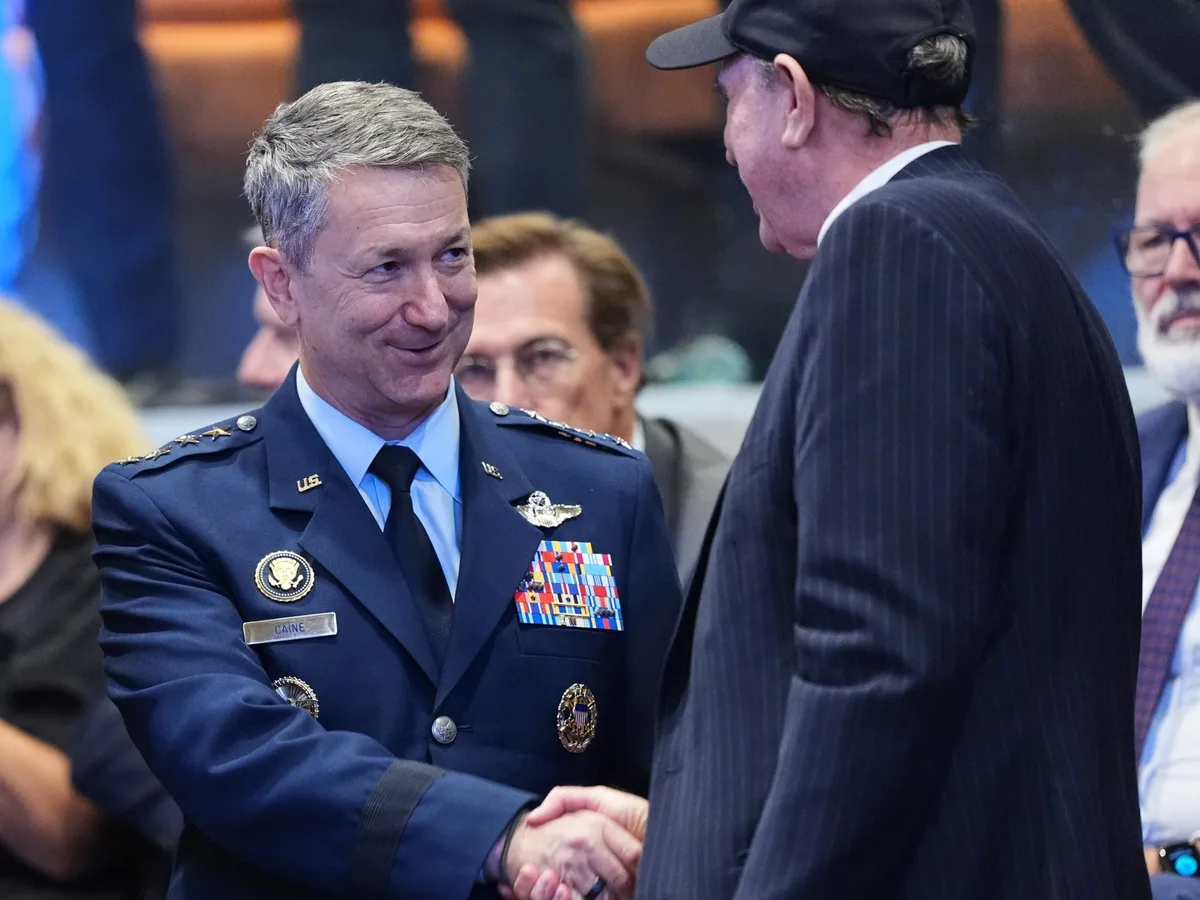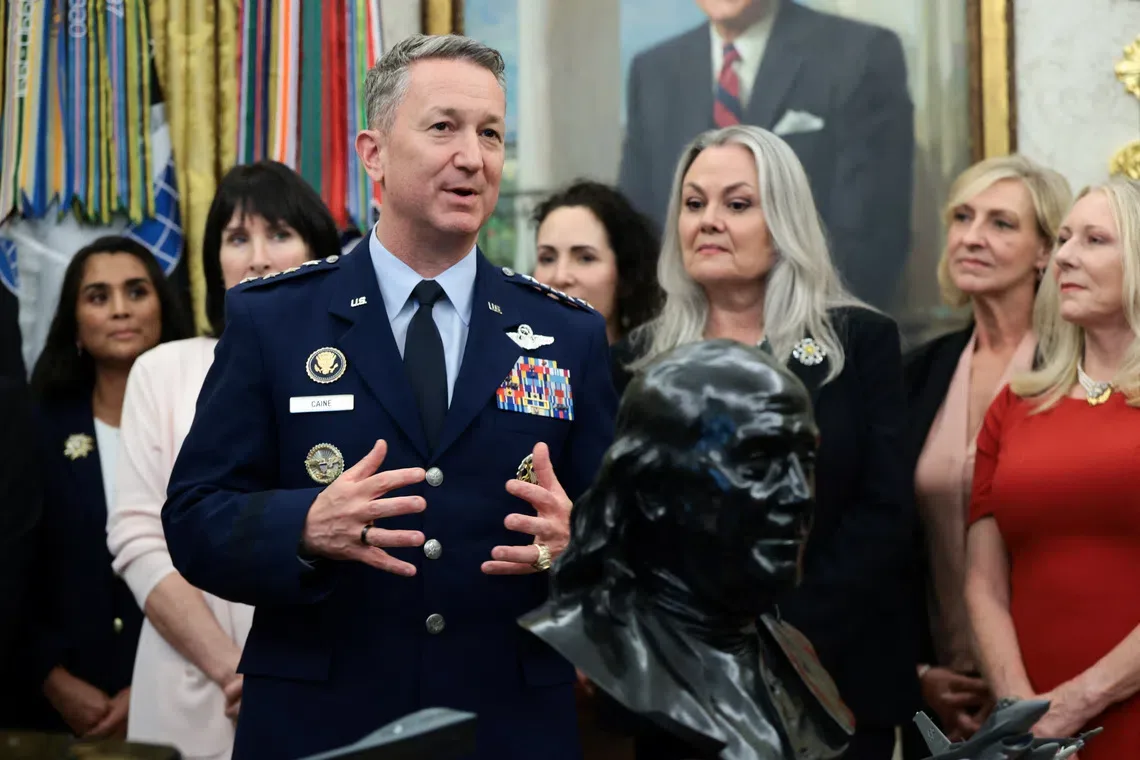
General Dan Caine, chairman of the Joint Chiefs of Staff, confirmed there are no plans to deploy federal military personnel or federalized National Guard members to polling locations during the November 3, 2026 midterm elections. He told lawmakers, "The Joint Force has no plans to send Federal military personnel or Federalized members of the National Guard to polling places during the 2026 elections" [1].
Caine also made clear there are no intentions to use military forces to seize ballots, voting machines, or other election-related materials. "I have neither received nor anticipate receiving any unlawful order concerning the role of the Joint Force in the upcoming November 2026 midterm elections," he wrote in a letter dated August 28, 2026, to Senator Elissa Slotkin [2, 3].
Federal law restricts the deployment of armed federal forces to polling locations unless necessary to repel armed enemies of the United States. Any National Guard involvement in election security falls under state, not federal, control, Caine emphasized [1, 3].
Senator Slotkin, a Democrat, had requested assurances from Caine and Defense Secretary Pete Hegseth following concerns that former President Trump might direct troops or federal agents to polling sites. Slotkin and others cited Trump’s prior statements around election security and the deployment of National Guard troops and active-duty Marines for immigration enforcement and protests in 2025 as reasons for their worry [1, 2, 3].
Trump previously contemplated using military forces to seize voting machines after his 2020 election loss. In 2025, his administration sent active-duty Marines to Los Angeles for immigration enforcement, prompting further unease among Democrats over potential military involvement in elections [1, 3].
Despite the concerns raised, Caine’s letter and statements provide a clear rebuttal to any suggestion of unlawful military interference in the 2026 elections. The voting is scheduled for November 3, 2026 [1, 2, 3]. Authorities will continue preparations under existing state and federal election security frameworks.