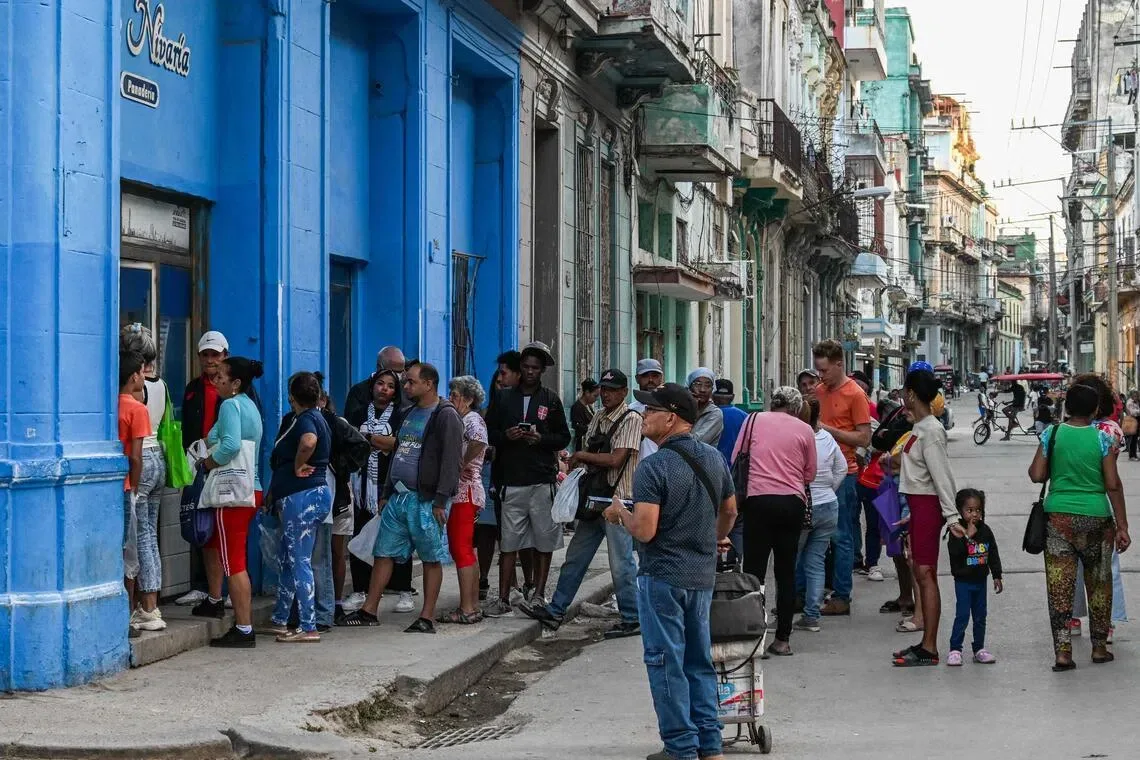
The United States offered Cuba $100 million in humanitarian assistance as an incentive for political and economic reforms amid Cuba’s severe economic crisis and energy blackouts caused partly by the US ending Venezuela’s oil shipments to the island [1, 2]. The aid is planned to be distributed through Catholic Relief Services, Samaritan’s Purse, and the Catholic Church rather than directly to the Cuban government to avoid misuse by Cuba’s military companies, US officials said [1, 2].
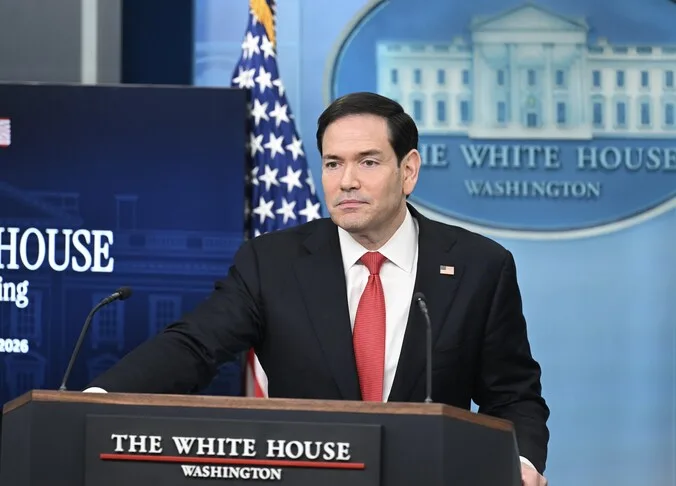
US Secretary of State Marco Rubio publicly offered the $100 million but demanded Cuba take concrete steps toward opening up its political system. Rubio stressed, "We’re not going to do humanitarian aid that falls into the hands of their military company... then they sell it at the dollar stores and put the money in their pocket" [2]. Acting US Ambassador Mike Hammer held talks on May 18 with Cuban foreign ministry officials to discuss the aid proposal[May 18 timeline, s1].
Cuba initially expressed skepticism and denied the offer but recently said it was open to reviewing it. Cuban President Miguel Diaz-Canel said the government would accept the aid "if the US government is truly willing to provide assistance in the amount it has announced, and in full accordance with universally recognized humanitarian aid practices" [1, 2].
A US official anonymously said, "We have been in close coordination with the Cubans. We had a meeting yesterday (May 18) and continue to pursue that proposal aggressively, contrary to some of the lies of the Cuban ministry of foreign affairs" and urged Cuba to use its own billions to help people rather than hoarding funds [1].
Cuba also welcomed CIA Director John Ratcliffe for talks in early May, an unusual step amid ongoing tensions between the two countries [1].
Whether Cuba had accepted the aid was initially unclear: US sources said as of May 19 Cuba was still reviewing the offer, but Rubio stated on May 21 that Cuba had accepted it. He added, "They say they've accepted it. We'll see if that means it"[disagreements, s1,s2].
The US is expected to continue talks with Cuban officials to finalize the distribution mechanism and ensure the aid reaches people in need while preventing diversion to the military. The next steps center on defining implementation terms and confirming Cuba’s compliance with the US conditions.