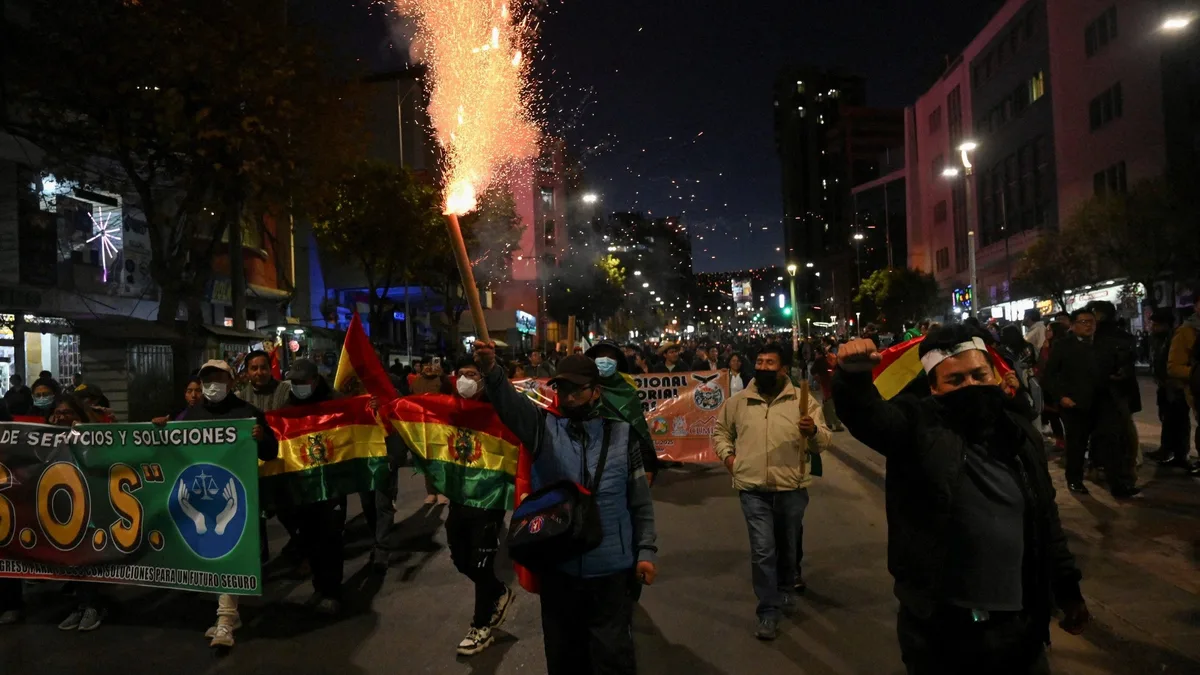
Bolivia has been rocked by weeks of mass protests demanding the resignation of President Rodrigo Paz and responses to economic crises. The unrest involves teachers, farmers, miners, and transport workers opposing Paz’s government over recent reforms and subsidy cuts that have nearly doubled fuel prices [1, 2, 3, 4].
Rodrigo Paz was elected in October 2025, ending two decades of socialist rule by the Movement for Socialism (MAS) party and former President Evo Morales, who led the country for 14 years. Paz quickly restored ties with the United States and enacted economic reforms including cutting fuel subsidies and proposing land reforms to boost agribusiness [1, 2, 3, 4].
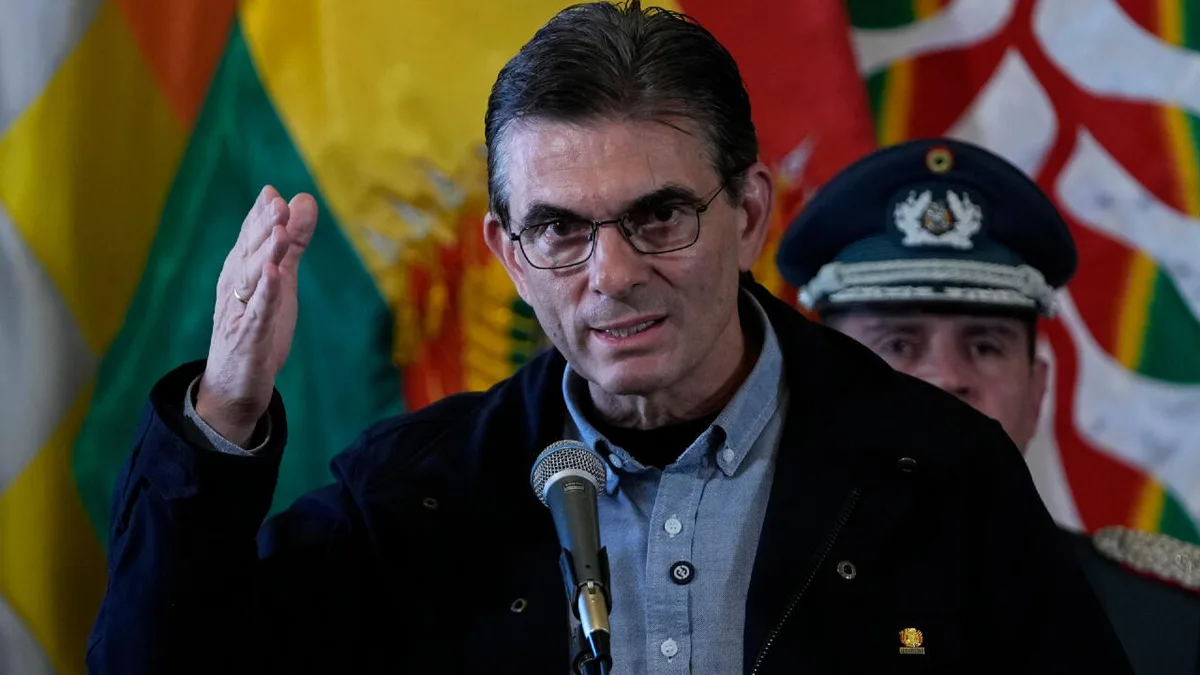
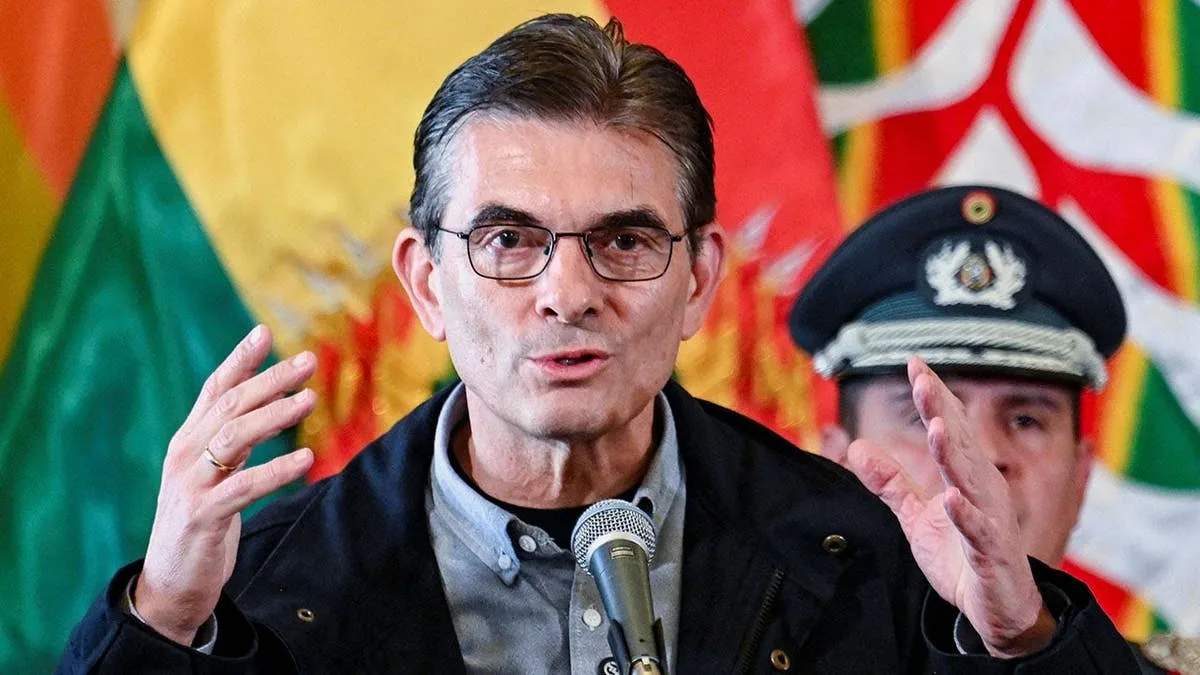
Amid the protests, Bolivia’s Defense Minister Marcelo Salinas and Education Minister resigned on June 2, signaling instability within the government [3, 4]. The protests have caused severe food and medicine shortages due to roadblocks and supply disruptions [2, 3].
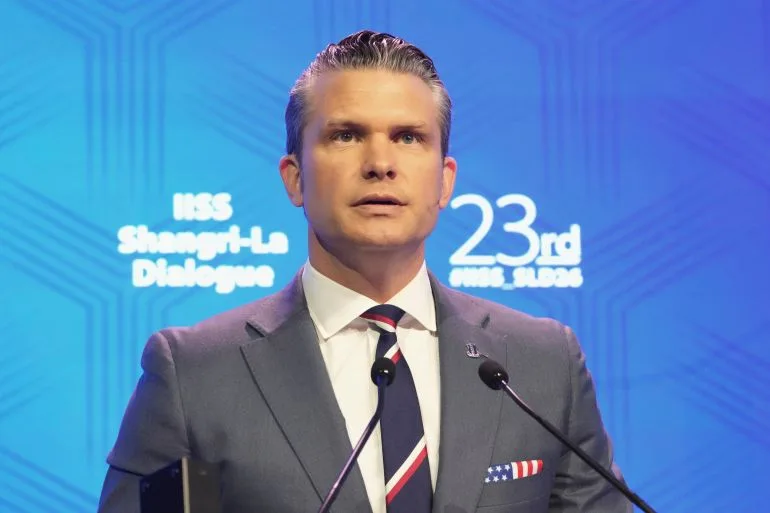
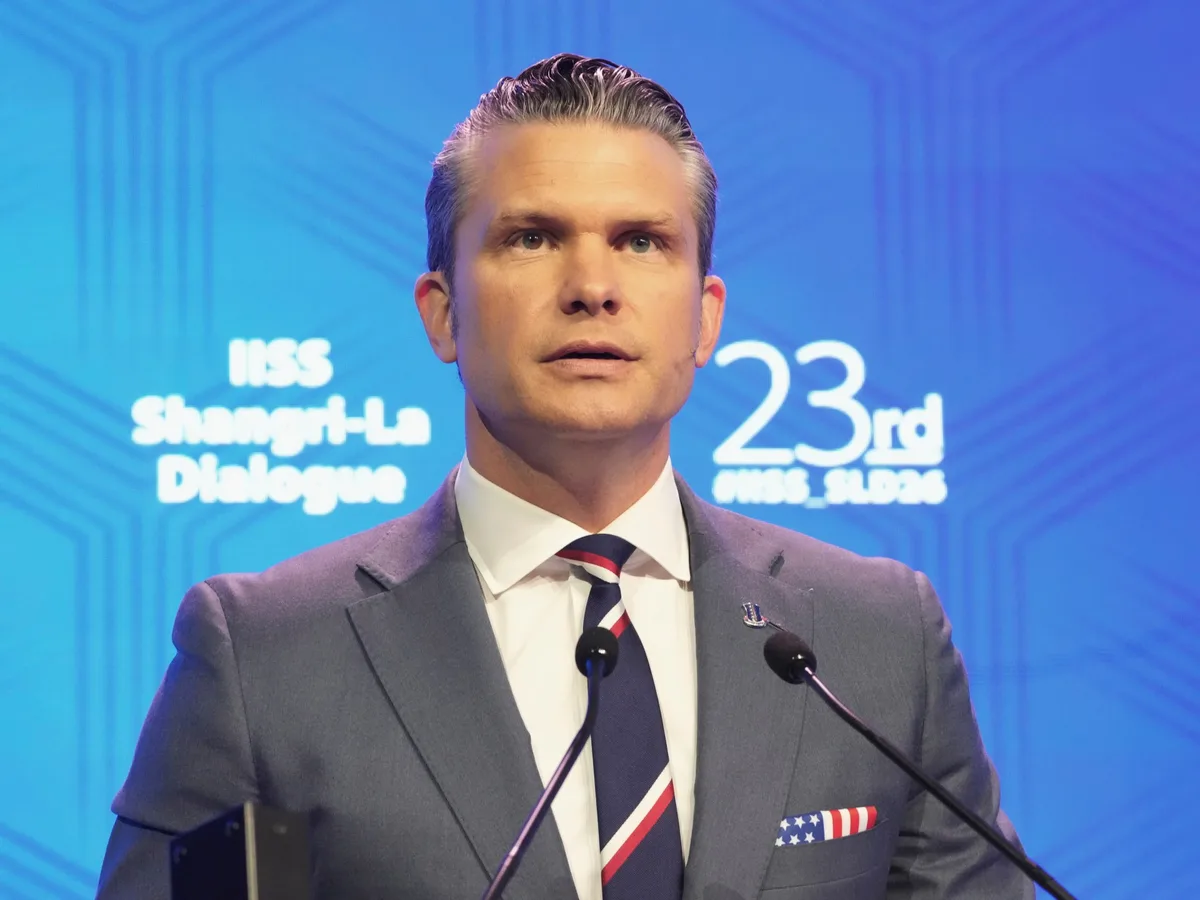
US Secretary of Defense Pete Hegseth condemned the protests as attempts to overthrow the elected government. He said, “The United States is watching. Bolivia must not allow itself to fall prey to the old status quo of narco-terrorist dominance in the region,” linking some protesters to drug trafficking networks. He pledged continued US support to deter narco-terrorists profiting on violence in the hemisphere [1, 2].
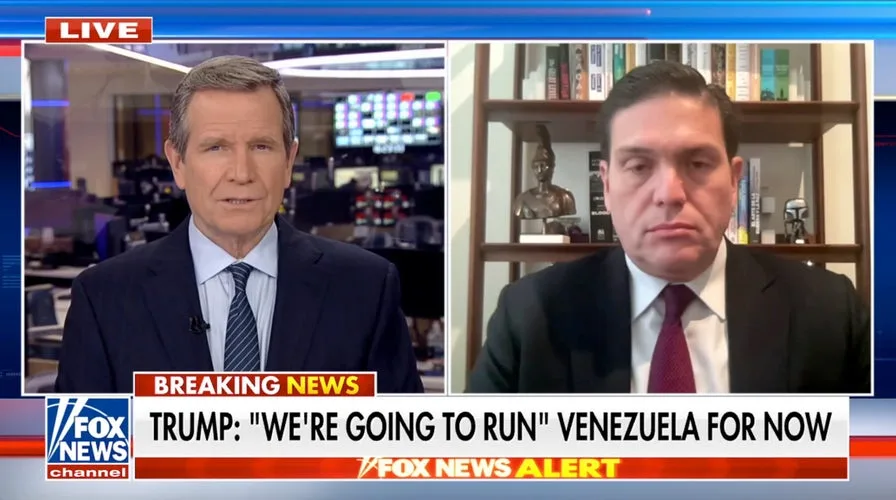
US Secretary of State Marco Rubio reaffirmed unwavering US support for Paz’s government. He stressed America’s “commitment to support Bolivia’s democracy and the Paz Administration as it rebuilds the country after 20 years of failed socialist policies.” Rubio also pledged emergency food and medical aid to help alleviate shortages caused by the protests and roadblocks [2, 3].
The US-led Shield of the Americas coalition on June 5 publicly condemned efforts to overthrow Bolivia’s democratically elected government. Its statement said, “We stand with Paz’s democratic government as it fights back against attempts to drag Bolivia backwards through cynical efforts to prevent the delivery of food, medicine and other vital supplies to the Bolivian people through fake road blockades.” The coalition called for accountability of those funding protests with drug trafficking money [4, 1].
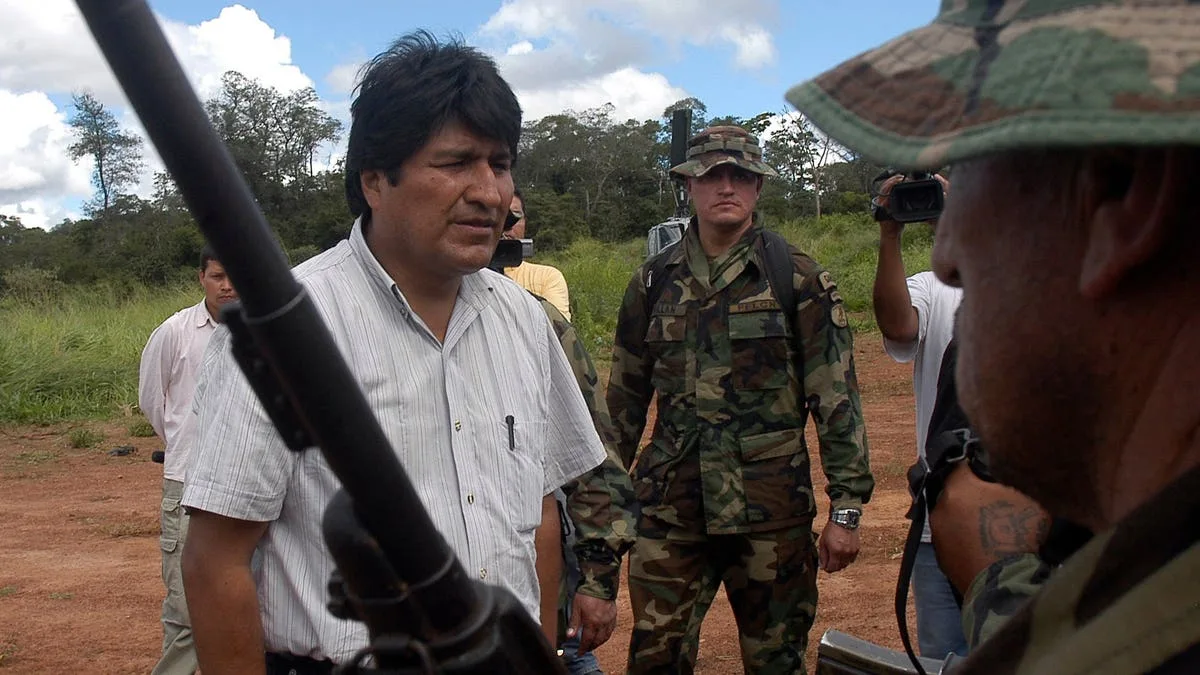
Bolivia is the world’s third-largest coca producer, the raw material used in cocaine production, a fact repeatedly cited in discussions of narco-terrorist influence within the protests [1]. Evo Morales, now facing arrest warrants, called for new elections within 90 days to resolve the crisis, warning that Paz faces either a “suicidal decision like militarization” or early elections [3, 4].
The Bolivian government and US officials continue efforts to stabilize the country amid ongoing protests and economic turmoil. Emergency aid shipments are expected to arrive in Bolivia later this month as tensions persist.